Key Takeaways
- Lawn thatch is a natural byproduct of grass growth, not automatically a defect.
- A thin thatch layer can support nutrient cycling and moisture insulation.
- Warm-season turf often tolerates moderate organic buildup.
- Problems arise when the decomposition rate slows or microbial breakdown declines.
- Understanding when to intervene prevents unnecessary damage to healthy turf.
The Big Misunderstanding About Lawn Thatch
Mention lawn thatch to most homeowners in Alpharetta, and you’ll likely hear the same reaction: “That’s bad, right?” Not necessarily. Thatch has earned a reputation as a silent lawn killer, but the truth is more nuanced.
In warm-season turf, a thin thatch layer is completely natural. Grass produces stems, roots, and clippings that gradually accumulate at the soil surface. This organic buildup isn’t automatically harmful. In fact, when properly balanced, it can play a supportive role in turf health.
At Weed Pro, we often see lawns overcorrected because homeowners assume any surface debris equals a problem. Before reaching for a dethatcher, it’s worth understanding what thatch actually is and when it matters.
What Lawn Thatch Really Is
Contrary to popular belief, thatch is not just loose grass clippings sitting on the surface. It is a tightly interwoven layer of stems, roots, and decomposing plant material located between the soil surface and living green blades.
A healthy thatch layer typically measures less than half an inch. Within that range, it serves multiple functional purposes.
Here’s what thatch consists of:
- Partially decomposed roots and stems
- Dense organic buildup from lateral growth
- Slow-breaking plant fibers
- Interwoven surface debris
This layer sits above the soil but below active leaf growth.
| Weed Pro Lawn Care: Local Lawn & Outdoor Pest Experts Reliable Service Backed by Results You Can See Choose the Right Lawn Care Solution for Your Property: –Complete Lawn Care Programs: Ongoing, customized lawn care plans designed to strengthen turf, improve soil health, and reduce weeds. –Targeted Weed & Pest Control: Focused solutions for persistent lawn weeds, invasive pests, and seasonal pressures such as mosquitoes and surface insects. –Irrigation & Lawn Health Support: Professional support for irrigation efficiency, aeration, overseeding, and soil conditioning to improve water absorption, reduce runoff, and help lawns recover from compaction, disease, or environmental damage. Customer Praise:“Weed Pro has been servicing my yard for several years now. I hired them on the recommendation from a neighbor. They do a great job! My lawn is healthy and weed free year round.” – Greg P. Why Homeowners Choose Weed Pro Lawn Care: -Locally owned and operated, serving North Georgia communities -Experienced technicians trained in region-specific lawn and pest challenges -Customized service plans based on property conditions, not one-size-fits-all programs -Environmentally responsible treatments with a focus on long-term lawn health -Clear communication, reliable scheduling, and service you can trust Schedule your Service Today! |
The Role of Decomposition Rate
The key factor separating healthy thatch from problematic buildup is decomposition rate. Grass naturally sheds material, and soil microbes break it down over time. When microbial breakdown keeps pace with production, the layer remains thin and stable.
However, if decomposition slows, due to compaction, poor aeration, or imbalanced soil conditions, organic material accumulates faster than it decays. That’s when lawn thatch thickens beyond its beneficial range.
Balance determines whether thatch helps or harms.
When Lawn Thatch Is Actually Beneficial
A moderate thatch layer can enhance turf performance, especially in Alpharetta’s fluctuating weather.
Here are ways that controlled thatch supports lawn health:
- Provides moisture insulation during dry spells
- Protects the root crown from temperature swings
- Enhances nutrient cycling as organic material breaks down
- Improves cushioning against foot traffic
- Reduces surface erosion during heavy rain
In warm-season turf, slight insulation can help stabilize soil temperatures during summer heat.
Soil Microbes: The Unsung Heroes
Healthy soil microbes are essential to managing organic buildup. These microorganisms drive microbial breakdown, converting plant material into usable nutrients. Active microbial communities support consistent nutrient cycling and prevent excessive accumulation.
When microbial activity declines, thatch may thicken. Causes can include soil compaction, low oxygen levels, or chemical imbalance. Supporting soil biology strengthens long-term turf resilience and naturally regulates thatch.
Biology, not machinery, often solves the issue.
Warm-Season Turf and Organic Buildup
Alpharetta lawns commonly feature Bermuda or Zoysia varieties. These grasses produce lateral stems that naturally contribute to organic buildup. However, warm-season turf also develops strong microbial partnerships that assist in decomposition.
Unlike some cool-season grasses, these varieties tolerate moderate thatch without immediate decline. Overreacting to normal accumulation can unnecessarily disrupt soil structure.
Understanding turf type prevents misdiagnosis.
When Lawn Thatch Becomes a Problem
While not always harmful, lawn thatch can become excessive under certain conditions. Thickness beyond half an inch may restrict water infiltration and root penetration.
Here are signs that thatch may require attention:
- Spongy feeling underfoot
- Water pooling after irrigation
- Reduced seed germination
- Slowed microbial breakdown
- Visible separation between soil and living turf
These indicators suggest the decomposition rate has slowed.
How Thatch Affects Root Crown Health
The root crown sits at the base of each grass plant. Moderate thatch protects it from temperature extremes and mechanical damage. However, excessive accumulation may raise the crown above soil level, increasing vulnerability.
When crowns sit too high, roots may struggle to anchor deeply. This condition can reduce long-term durability and drought tolerance. Monitoring thickness helps maintain balance without overcorrection.
Protection becomes obstruction only when the buildup exceeds natural limits.
Moisture Insulation vs. Moisture Retention
There’s a difference between beneficial moisture insulation and harmful water retention. A thin thatch layer slows evaporation, helping turf during brief dry periods. Excess thickness, however, traps moisture excessively and may increase disease pressure.
In Alpharetta’s humid climate, monitoring moisture levels becomes critical. If the surface stays damp for too long, the risk of fungal growth rises. Controlled organic buildup provides balance without creating saturation.
The goal is moderation.
The Risks of Over-Dethatching
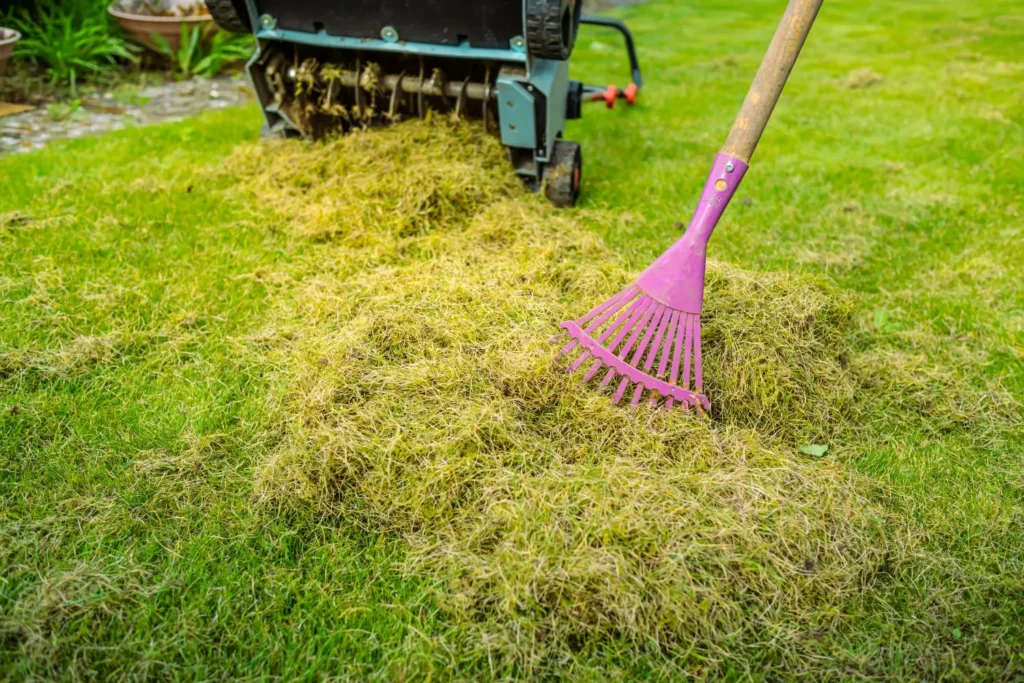
Many homeowners jump to mechanical dethatching at the first sign of sponginess. However, aggressive removal can damage healthy turf. Removing too much material disrupts soil microbes and destabilizes root systems.
Excessive dethatching may:
- Expose root crowns
- Increase soil temperature fluctuation
- Reduce microbial breakdown capacity
- Stress warm-season turf unnecessarily
Intervention should be measured, not impulsive.
Compaction and Thatch Thickness
Compaction layers beneath the surface can indirectly increase thatch buildup. When soil oxygen decreases, microbial activity slows. Reduced oxygen limits decomposition rate, allowing organic buildup to accumulate.
Addressing compaction through aeration often improves microbial conditions naturally. Instead of targeting thatch directly, improving soil structure restores balance.
Sometimes the solution lies beneath the layer, not within it.
Long-Term Durability Depends on Balance
Healthy lawns operate as ecosystems. Organic material enters the system, soil microbes process it, and nutrients cycle back into plant growth. When this cycle remains active, lawn thatch stabilizes naturally.
Long-term durability depends on maintaining that balance rather than eliminating all buildup. Warm-season turf in Alpharetta thrives when biological systems function efficiently.
Removing every trace of surface debris disrupts that cycle.
Not Sure If Your Thatch Is a Problem? Let’s Take a Look
If you’re concerned about lawn thatch thickness or organic buildup in your Alpharetta yard, don’t guess. At Weed Pro, we evaluate decomposition rate, soil microbes, and root crown positioning before recommending action.
Contact us today for a professional lawn assessment. We’ll determine whether your thatch layer is beneficial, balanced, or truly excessive and guide you toward the right solution without unnecessary disruption.
Frequently Asked Questions
Does mulching grass clippings increase thatch buildup?
Not typically. Mulched clippings decompose quickly and contribute to nutrient cycling rather than forming persistent organic buildup.
Can irrigation frequency influence thatch thickness?
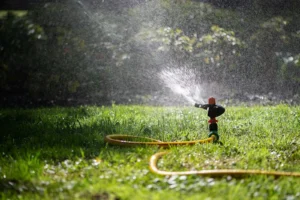
Yes. Excessive watering may slow microbial breakdown by limiting soil oxygen, potentially leading to increased accumulation over time.
Is dethatching recommended every year?
No. Routine annual dethatching is rarely necessary in warm-season turf. Frequency should depend on actual thickness measurements rather than a calendar schedule.
Up Next: How Pets Change Lawn Chemistry
Now that we’ve cleared up the myths around lawn thatch, let’s explore another hidden influence on turf performance. Next Read: How Pets Slowly Change Lawn Chemistry Over Time in Alpharetta Homes