Key Takeaways
- Most wasted outdoor water comes from overwatering, broken or misaligned heads, poor timing, and watering the wrong plants.
- Smart irrigation saves water by adjusting run times automatically using weather data, soil moisture feedback, and better zone control.
- The fastest wins usually come from early-morning scheduling, seasonal adjustments, fixing leaks, and upgrading the controller before replacing everything.
- Drought-tolerant landscaping, mulch, and healthier soil can reduce irrigation frequency.
What Smart Irrigation Is and Why It Cuts Outdoor Water Use
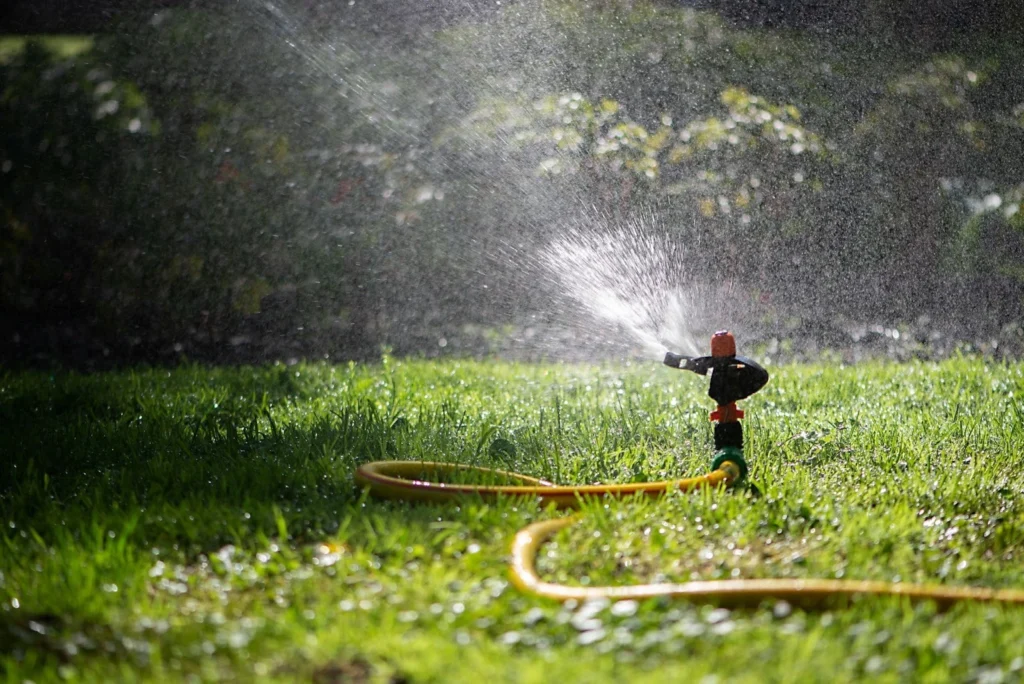
Smart irrigation is a combination of upgraded controllers, sensors, and a better watering strategy that helps your lawn and landscape get the water they need without the extra cycles that inflate bills. Instead of running the same schedule all season, smart systems react to weather, recent rainfall, and soil moisture conditions so you water less often, with fewer puddles, fewer dry spots, and less runoff.
In Atlanta, smart irrigation is especially helpful because hot stretches, pop-up storms, and clay-heavy soils can make traditional timers waste a lot of water. When schedules do not match real conditions, lawns get stressed, beds get overwatered, and water ends up on sidewalks rather than in the root zones.
How Smart Irrigation Systems Save Water
Smart irrigation saves water in a few practical ways:
1. Weather-Based Scheduling
Weather-based scheduling uses local climate data to automatically adjust watering based on rainfall, temperature, and seasonal conditions. This helps prevent overwatering and unnecessary runoff.
2. Soil Moisture Sensing
Soil moisture sensors measure water levels directly in the root zone and pause irrigation when the soil already has enough moisture. This is especially useful for landscapes with shade variation or clay-heavy soil, where some areas hold water longer than others.
3. Improved Zone Control
Better zone control separates turf, planting beds, shrubs, and trees into dedicated watering zones. This allows each area to receive the right amount of water at the right pace, improving absorption and reducing stress caused by over- or under-watering.
| Weed Pro Lawn Care: Local Lawn & Outdoor Pest ExpertsReliable Service Backed by Results You Can SeeChoose the Right Lawn Care Solution for Your Property:Complete Lawn Care Programs: Ongoing, customized lawn care plans designed to strengthen turf, improve soil health, and reduce weeds.Targeted Weed & Pest Control: Focused solutions for persistent lawn weeds, invasive pests, and seasonal pressures such as mosquitoes and surface insects. Irrigation & Lawn Health Support: Professional support for irrigation efficiency, aeration, overseeding, and soil conditioning to improve water absorption, reduce runoff, and help lawns recover from compaction, disease, or environmental damage.Customer Praise:“My yard looked considerably better after Weed Pro took over. I was trying to DIY and I didn’t get great results. Plus it was a mess trying to keep up with all the seasonal fertilizer in my garage.” – Dustin G.Why Homeowners Choose Weed Pro Lawn Care:Locally owned and operated, serving North Georgia communitiesExperienced technicians trained in region-specific lawn and pest challengesCustomized service plans based on property conditions, not one-size-fits-all programsEnvironmentally responsible treatments with a focus on long-term lawn healthClear communication, reliable scheduling, and service you can trustSchedule your Service Today! |
Water-Saving Irrigation Methods That Work Even Without a Full Smart Upgrade
If you want to cut water use right away, start with these “no-regret” improvements.
1. Water early in the morning
Watering before sunrise reduces evaporation and gives plants time to absorb moisture before midday heat. It also reduces how long foliage stays wet compared to evening watering, which can lower disease pressure.
2. Use deep, infrequent watering instead of daily shallow cycles
Longer runs, less often, encourage deeper roots and better drought resilience. Shallow daily watering trains roots to stay near the surface, which makes the lawn more dependent on constant irrigation.
3. Avoid runoff with cycle-and-soak
If you have clay soil or any slope, split a long run into two shorter runs with a break in between. This lets water soak in rather than run off into the street.
4. Match watering to the plant, not the calendar
Beds, shrubs, and turf have different root depths and water needs. If everything is on one schedule, something will usually be overwatered.
Drought-Tolerant Landscaping That Lowers Water Demand
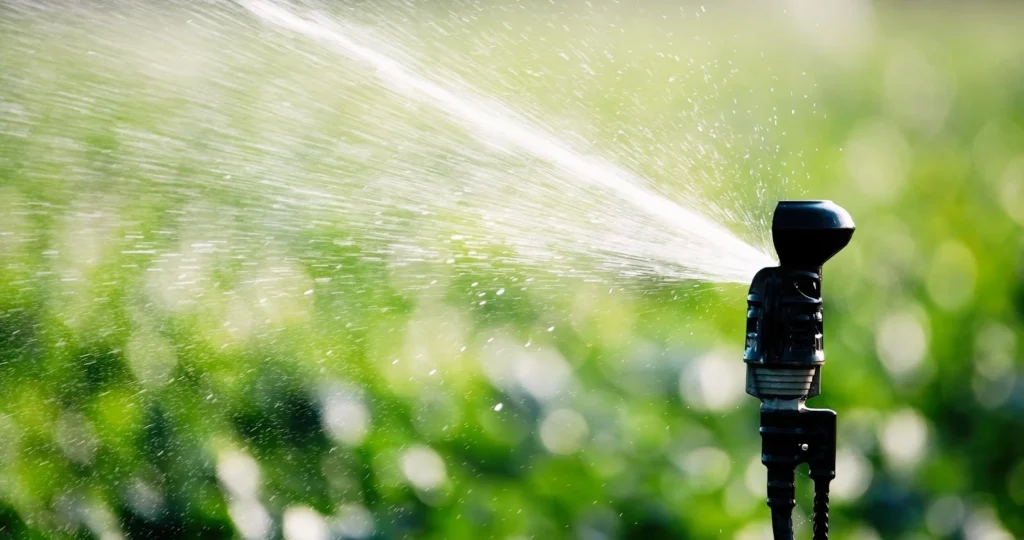
Smart irrigation works best when the landscape is designed to retain moisture and withstand dry spells.
1. Choose plants that can handle North Georgia summers
Native and well-adapted perennials and shrubs typically need less supplemental water once established. Group higher-water plants together and keep them in their own zone so the rest of the yard is not overwatered.
2. Use mulch correctly
A 2–3 inch layer of mulch helps retain soil moisture, suppresses weeds, and moderates soil temperature. Keep mulch off plant stems and avoid piling it against trunks.
3. Improve the soil so it holds water better
Adding compost and increasing organic matter improves water retention and reduces the need for frequent irrigation. Healthier soil also supports deeper roots, which makes plants less sensitive to short dry periods.
What Determines the Cost of a Smart Irrigation Installation?
There is no single price that fits every yard because the cost depends on what you already have and what you want the system to do. Here are a few of the biggest cost drivers:
- The number of zones and how complex the layout is
- Whether wiring, valves, or heads need repair before upgrades
- Whether you add soil moisture sensors or flow monitoring
- Whether you convert beds to drip irrigation for targeted root-zone delivery
A staged upgrade is often the best approach. Start with fixing hardware and upgrading the controller, then add sensors or drip conversions where they make the biggest impact.
Cut Outdoor Water Use While Keeping Your Lawn Healthy
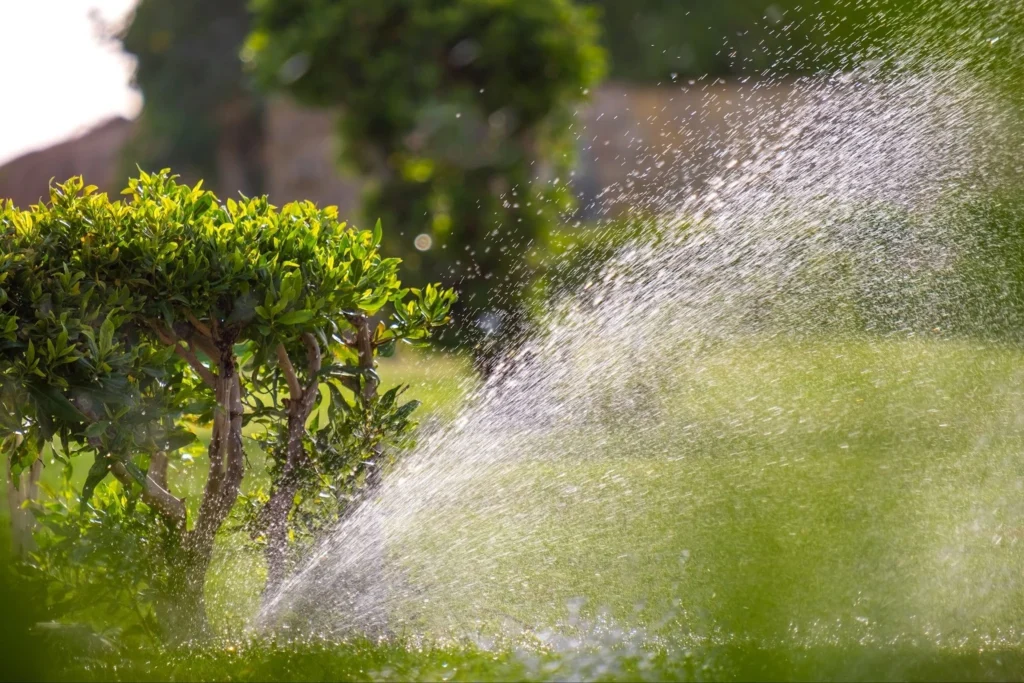
Smart irrigation systems help homeowners reduce water waste without sacrificing lawn and landscape health. By adjusting schedules based on weather, soil moisture, and plant needs, these systems apply water only when it is truly needed. Weed Pro Lawn Care offers smart irrigation audits, installation, and maintenance services across Atlanta and North Georgia, helping homeowners upgrade with confidence.
Contact us today to schedule an assessment and learn how smart irrigation can lower water bills and improve system performance.
FAQ
How much water can smart irrigation systems save?
Many homes reduce outdoor water use by 15-40% after installing smart irrigation technology. Savings depend on system condition, landscape size, and the level of inefficient watering before. Larger or older systems often see the biggest improvements.
Can smart irrigation controllers work with older systems?
Many smart controllers are designed to retrofit existing irrigation systems. Compatibility depends on wiring, valves, and zone configuration. A system inspection confirms whether a retrofit or replacement is the best option.
How quickly do smart irrigation upgrades pay for themselves?
Many homeowners begin seeing water bill savings within the first few seasons. Over time, reduced water use and fewer repairs increase the return on investment. Long-term savings continue year after year.
Explore More Lawn and Irrigation Resources
For more practical guidance on lawn care, irrigation efficiency, and outdoor improvements, explore the Weed Pro Lawn Care blog and continue building a healthier, more water-smart landscape.