Key Takeaways
- Liquid aeration improves compacted Atlanta clay soils without pulling plugs or disrupting the lawn surface
- It works by improving soil pore space, water movement, and biological activity over time
- Liquid aeration is ideal for moderate compaction, high-use lawns, and properties needing quick recovery
- Costs vary based on lawn size, soil condition, and treatment frequency
- Liquid aeration can be used alone or combined with core aeration for the best long-term results
What Is Liquid Aeration and How Does It Work?
Liquid aeration is a soil-conditioning treatment that improves compaction by changing how soil particles interact rather than physically removing plugs. It uses a blend of surfactants, humic substances, kelp extracts, and biological additives to help water, air, and nutrients move through tight soils.
Instead of tearing into the lawn, liquid aeration penetrates the soil profile and gradually encourages pore space to reopen. Over time, this improves infiltration, root growth, and overall turf resilience, especially in Atlanta’s clay-heavy soils where drainage and oxygen exchange are often limited.
Liquid aeration is commonly used as a maintenance solution for residential lawns that need better performance without the mess or downtime of mechanical aeration.
How Do Humic Acid, Kelp, and Organic Boosters Improve Soil?
Each ingredient in liquid aeration plays a specific role in restoring soil function.
- Humic substances help bind soil particles into more stable aggregates, improving structure and allowing roots to access nutrients more efficiently. They also help retain moisture without creating soggy conditions.
- Kelp extracts contribute micronutrients and naturally occurring growth compounds that encourage deeper, stronger root systems. Healthier roots increase drought tolerance and improve nutrient uptake during Atlanta’s hot growing seasons.
- Organic and microbial boosters support beneficial soil organisms that break down fine particles and thatch. As microbial activity increases, soil structure continues to improve naturally over weeks and months after application.
Together, these components create a feedback loop where improved soil structure supports roots, and healthy roots further enhance soil biology.
What Is the Mechanism of Liquid Aeration in Relieving Compaction?
Liquid aeration relieves compaction through both physical and biological processes.
Surfactants reduce surface tension in compacted soils, allowing water and soil amendments to penetrate more effectively into tight pore spaces. This results in immediate improvements in infiltration and reduced surface runoff.
Over time, humic materials and microbial activity encourage the formation of stable soil aggregates. These aggregates reconnect pore pathways, allowing oxygen and water to move freely through the root zone.
The result is short-term improvement in wetting and long-term rebuilding of soil structure, without mechanical disruption.
Why Is Liquid Aeration Especially Helpful for Atlanta’s Clay Soils?
Atlanta-area lawns are often built on dense clay or clay-loam soils that compact easily and drain poorly. These soils restrict root growth, hold water at the surface, and limit oxygen exchange.
Liquid aeration addresses these problems by:
- Improving infiltration in slow-draining soils
- Reducing runoff during heavy rains
- Encouraging deeper root growth during hot weather
- Supporting soil biology, clay soils typically lack
Because it does not disturb the lawn surface, liquid aeration is especially useful during warm seasons when turf is actively growing, and mechanical aeration would be disruptive.
| Weed Pro Lawn Care: Local Lawn & Outdoor Pest Experts Reliable Service Backed by Results You Can See Choose the Right Lawn Care Solution for Your Property: –Complete Lawn Care Programs: Ongoing, customized lawn care plans designed to strengthen turf, improve soil health, and reduce weeds. –Targeted Weed & Pest Control: Focused solutions for persistent lawn weeds, invasive pests, and seasonal pressures such as mosquitoes and surface insects. –Irrigation & Lawn Health Support: Professional support for irrigation efficiency, aeration, overseeding, and soil conditioning to improve water absorption, reduce runoff, and help lawns recover from compaction, disease, or environmental damage. Customer Praise:“Just started using WeedPro’s service and so far I am very happy! Lee took the time to explain everything about the program we are on and ways to better improve our yard.” – Trey P. Why Homeowners Choose Weed Pro Lawn Care: -Locally owned and operated, serving North Georgia communities -Experienced technicians trained in region-specific lawn and pest challenges -Customized service plans based on property conditions, not one-size-fits-all programs -Environmentally responsible treatments with a focus on long-term lawn health -Clear communication, reliable scheduling, and service you can trust Schedule your Service Today! |
How Does Liquid Aeration Address Thatch and Surface Issues?
Liquid aeration helps manage light to moderate thatch by stimulating microbial activity that naturally breaks down organic material. Improved wetting also allows moisture and oxygen to reach the soil beneath the thatch layer.
As infiltration improves, pooling and soggy spots decrease, and roots can expand downward instead of remaining shallow. Many homeowners notice fewer puddles after storms and more consistent turf growth following treatment.
For lawns with heavy thatch or severe compaction, liquid aeration is often paired with other cultural practices such as overseeding or topdressing to maximize results.
Is Liquid Aeration Pet-Safe and Environmentally Friendly?
Most residential liquid aeration products are designed for safe re-entry once the lawn has dried. Because the process avoids heavy machinery and soil removal, it reduces erosion risk and preserves turf density.
Liquid aeration also supports long-term soil health, reducing the need for excessive watering and fertilizer applications. As with any lawn treatment, homeowners should follow the provider’s guidance on drying time and re-entry for pets and children.
Liquid Aeration vs. Core Aeration: Which Is Better for Georgia Lawns?
Liquid aeration and core aeration solve compaction differently, and each has its place.
Liquid aeration:
- Provides full-yard coverage
- Has minimal downtime and no visible mess
- Works best for moderate compaction and routine maintenance
Core aeration:
- Physically removes soil plugs
- Offers deeper, immediate relief in severely compacted areas
- Requires cleanup and short recovery time
Many Atlanta homeowners use liquid aeration annually and schedule core aeration periodically for deeper renovation. Combining the two can deliver stronger and longer-lasting results.
When Should You Choose Liquid Aeration Over Core Aeration?
Liquid aeration is a strong choice when:
- Compaction is moderate rather than severe
- The lawn needs to remain usable immediately
- Surface disruption needs to be avoided
- You want steady improvement between mechanical aeration cycles
If the soil is extremely hard, water pools heavily, or roots struggle to penetrate the ground, core aeration may be needed first, followed by liquid aeration to accelerate recovery.
What Affects the Cost of Liquid Aeration in Atlanta?
Liquid aeration pricing varies based on several practical factors:
- Lawn size, which determines product volume and labor
- Soil condition, as heavily compacted lawns may require repeat applications
- Treatment frequency, whether one-time or part of a program
- Product formulation, since advanced blends cost more
Because of these variables, on-site assessments provide the most accurate pricing. Quotes based solely on square footage may not reflect actual soil conditions.
Build Healthier Soil for a Stronger Lawn
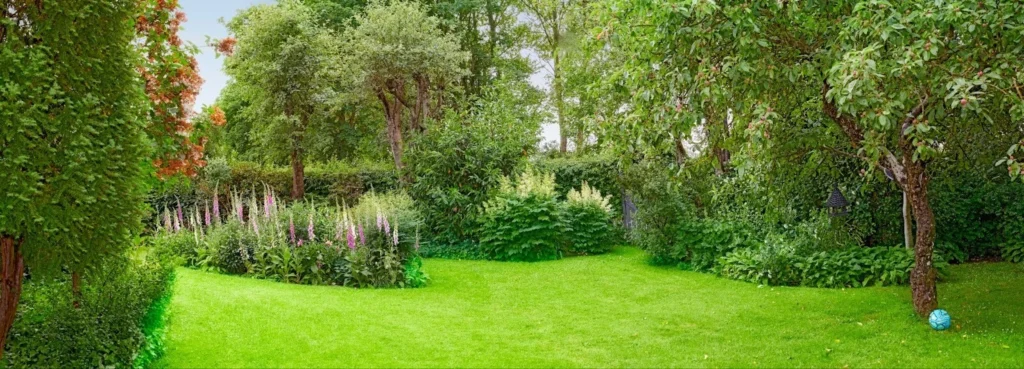
Liquid aeration helps improve soil structure without disrupting your lawn’s surface, making it a practical option for many Atlanta properties. Choosing the right aeration method depends on soil condition, traffic levels, and turf type. Weed Pro Lawn Care evaluates these factors and recommends aeration solutions that match your lawn’s needs.
Contact us today to schedule a soil assessment and find out if liquid aeration is right for your yard.
FAQ
How quickly does liquid aeration work?
Some improvements in water infiltration can occur quickly, while root growth and changes in soil structure develop over several weeks. Results continue to build with proper follow-up care.
Can liquid aeration replace core aeration?
Liquid aeration works well for moderate compaction but may not fully replace core aeration in severely compacted soils. Many lawns benefit from a combination of both.
Is liquid aeration safe for pets and children?
Most professional products are safe once dry when applied correctly. Always follow provider guidance regarding re-entry times.
Continue Choosing the Right Turf
Next, read What Grass Grows Best in Cumming, GA? A Local Lawn Guide for Homeowners to learn how grass selection impacts long-term success.