Key Takeaways
- Lawn renovation decisions directly impact long-term durability and turf performance.
- Proper soil preparation sets the foundation for strong root establishment.
- Aeration timing and compaction relief influence recovery speed.
- Overseeding and grass selection determine long-term density.
- Smart renovation supports sustainable turf restoration, not just short-term improvement.
Renovation Isn’t Just a Refresh, It’s a Long-Term Investment
In Alpharetta, lawns face seasonal heat, humidity, and frequent use. Over time, thinning patches, compacted soil, and declining density prompt homeowners to consider lawn renovation. However, renovation is more than cosmetic repair. It is a strategic reset that shapes the long-term durability of your turf.
At Weed Pro, we often remind homeowners that renovation choices determine whether improvements last one season or several years. The way you approach soil preparation, grass selection, and aeration timing directly influences root establishment and future resilience.
Renovation done right builds a stronger foundation. Renovation done hastily may only delay recurring issues.
Why Soil Preparation Determines Long-Term Success
Before overseeding or re-sodding, soil preparation must come first. Without proper soil conditioning, new grass struggles to establish a stable root system. Compacted soil restricts oxygen flow and limits moisture absorption, both of which are critical for seed germination.
Effective soil preparation includes loosening compacted layers and improving structure. This compaction relief enhances nutrient movement and root expansion. When soil conditions improve before renovation, turf restoration becomes significantly more sustainable.
Skipping this step often reduces long-term durability.
The Role of Grass Selection in Turf Longevity
Choosing the right grass variety for Alpharetta’s climate matters. Grass selection should align with sunlight exposure, drainage patterns, and seasonal stress conditions. A variety that thrives in one part of the yard may struggle in another.
Warm-season grasses typically dominate this region, but even within that category, options vary in shade tolerance and wear resistance. Selecting a cultivar suited to your specific conditions strengthens long-term viability.
Renovation is an opportunity to correct previous mismatches.
| Weed Pro Lawn Care: Local Lawn & Outdoor Pest Experts Reliable Service Backed by Results You Can See Choose the Right Lawn Care Solution for Your Property: –Complete Lawn Care Programs: Ongoing, customized lawn care plans designed to strengthen turf, improve soil health, and reduce weeds. –Targeted Weed & Pest Control: Focused solutions for persistent lawn weeds, invasive pests, and seasonal pressures such as mosquitoes and surface insects. –Irrigation & Lawn Health Support: Professional support for irrigation efficiency, aeration, overseeding, and soil conditioning to improve water absorption, reduce runoff, and help lawns recover from compaction, disease, or environmental damage. Customer Praise:“Weed Pro Lawn Care has transformed my lawn for the better. It used to be covered in weeds – so much so, that our HOA would consistently send warnings about it. After hiring Weed Pro, our weeds are now completely gone in the lawn and they’ve even helped remove moles that were invading. Our technician, Carlos, is very efficient and friendly and willing to answer any questions. I highly recommend giving them a try!” – Melissa O. Why Homeowners Choose Weed Pro Lawn Care: -Locally owned and operated, serving North Georgia communities -Experienced technicians trained in region-specific lawn and pest challenges -Customized service plans based on property conditions, not one-size-fits-all programs -Environmentally responsible treatments with a focus on long-term lawn health -Clear communication, reliable scheduling, and service you can trust Schedule your Service Today! |
Overseeding vs. Full Turf Restoration
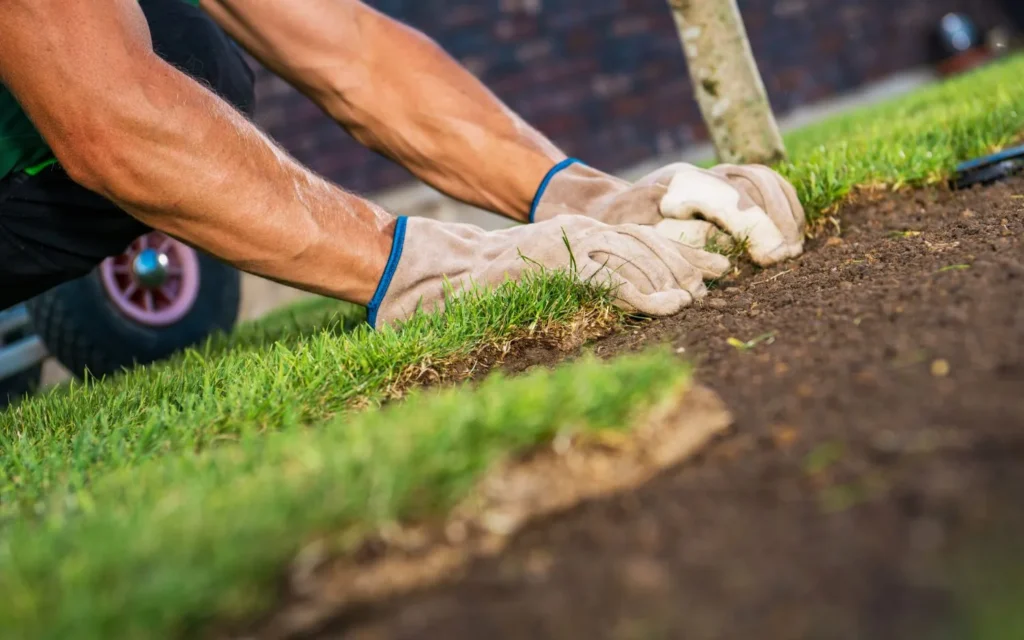
Not all renovations require full replacement. Overseeding can restore density when turf remains structurally stable. This method fills thin areas and improves ground coverage without removing existing grass.
However, overseeding works best when soil structure remains intact, and root systems are healthy. If compaction layers or chronic thinning exist, partial approaches may not deliver lasting results. In those cases, more comprehensive turf restoration may offer better long-term durability.
Understanding the difference prevents repeated cycles of patchwork repair.
Aeration Timing Influences Root Establishment
Timing matters during lawn renovation. Aeration timing affects how effectively new seeds establish and how quickly roots penetrate soil. Aerating during peak growth periods enhances recovery and supports rapid root expansion.
Compaction relief through aeration improves water infiltration and nutrient uptake. When paired with overseeding, it creates an ideal environment for seed germination. Early root establishment increases resistance to environmental stress later.
Poor timing, however, can slow recovery and reduce the impact of renovations.
Long-Term Durability Depends on Early Root Development
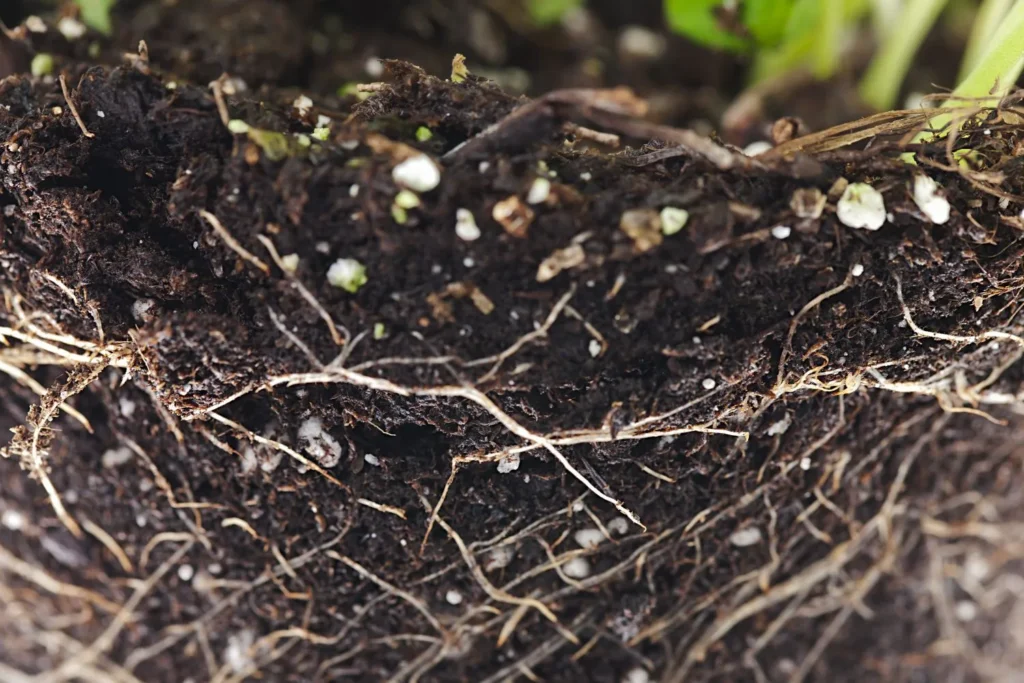
Healthy turf longevity begins underground. The first few weeks after renovation determine how deeply and widely roots expand. Shallow systems limit long-term resilience, while deep root networks enhance drought tolerance and stability.
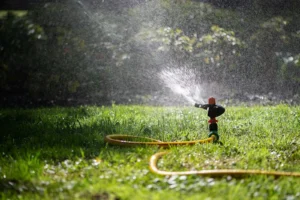
Proper watering during establishment is essential, but overwatering can hinder soil oxygen levels. Balanced moisture encourages steady root growth without promoting disease. The goal is to build strength gradually rather than force rapid top growth.
Root development shapes every future growth cycle.
Soil Conditioning Enhances Sustainability
Adding organic matter during renovation improves soil conditioning and supports microbial activity. Balanced soil biology aids nutrient cycling and stabilizes moisture retention. These improvements extend beyond the initial renovation phase.
When soil health improves, turf longevity follows. Strong microbial ecosystems help maintain nutrient availability without excessive fertilization. Renovation becomes an investment in ecosystem stability rather than a temporary fix.
Healthy soil sustains healthy turf.
How Renovation Costs Compare to Repeated Repairs
Homeowners often weigh renovation costs against ongoing maintenance adjustments. While initial renovation may seem significant, repeated seasonal corrections add up over time. Fertilizer adjustments, reseeding, and irrigation modifications can accumulate without resolving structural limitations.
Strategic lawn renovation may reduce long-term spending by addressing root causes directly. Investing in soil preparation and grass selection now prevents ongoing patchwork repairs later.
Longevity often proves more economical than repetition.
Environmental Stress in Alpharetta
Alpharetta’s climate introduces both heat and humidity challenges. Renovation strategies must account for these pressures. Grass selection suited to local conditions improves resilience during summer stress.
Additionally, soil preparation that enhances drainage helps reduce disease pressure in humid months. Renovation choices that anticipate environmental stress strengthen long-term viability.
Ignoring climate factors shortens renovation lifespan.
When Renovation Falls Short
Even a well-planned renovation may struggle if external pressures remain unaddressed. Heavy foot traffic, persistent shade, or irrigation inconsistencies can limit success. Recognizing these factors allows for adjustments before renovation begins.
Addressing shade patterns or correcting sprinkler coverage supports long-term turf restoration. Renovation without environmental alignment may yield only moderate improvement.
Preparation extends beyond soil alone.
Build Turf Longevity with Smart Renovation Choices
If you’re considering lawn renovation in Alpharetta, make sure the process strengthens your lawn’s foundation. At Weed Pro, we assess soil structure, grass selection, and aeration timing to support sustainable turf restoration.
Contact us today to schedule a renovation consultation. Our team will evaluate long-term durability factors and design a plan that promotes deep root establishment and lasting density. Renovation should improve your lawn for years — not just for a season.
Frequently Asked Questions
How long should you wait before mowing after renovation?
Typically, you should wait until new grass reaches the appropriate height and demonstrates stable root anchoring. Cutting too early may disrupt seed germination and root development.
Does renovation increase water usage long-term?
Water needs may rise temporarily during establishment. However, strong root systems often reduce long-term irrigation demands once turf stabilizes.
Can renovation improve pest resistance?
Healthy, dense turf may discourage certain pests by reducing the amount of exposed soil. However, pest management still depends on environmental conditions and ongoing care.
Up Next: Is Thatch Really a Problem?
Now that you understand how lawn renovation choices shape long-term turf longevity, let’s examine another misunderstood topic. Next Read: Why Lawn Thatch Isn’t Always a Problem in Alpharetta Warm-Season Turf