
Key Takeaways
- Lawn chemistry shifts gradually with repeated pet activity.
- Pet urine impact can cause nitrogen spikes and localized burn.
- Soil pH shifts and salt accumulation affect long-term turf stability.
- Repeated exposure alters soil composition and nutrient cycling.
- Managing chemical imbalance early protects long-term turf health.
The Subtle Shift Happening in Your Backyard
Pets bring joy, companionship, and energy to Alpharetta homes. However, they also influence your lawn in ways that aren’t immediately visible. Over time, lawn chemistry shifts due to repeated pet activity, especially in areas where dogs frequently relieve themselves.
At first, you might only notice minor turf discoloration or small yellow spots. But beneath the surface, a chemical imbalance develops gradually. At Weed Pro, we often evaluate lawns where pet urine impact has quietly altered soil composition over several seasons.
These changes don’t happen overnight. They accumulate slowly, and understanding them helps you protect your yard long-term.
How Pet Urine Alters Soil Chemistry
Pet urine contains concentrated nitrogen and salts. In small amounts, nitrogen supports grass growth. However, when delivered in high concentrations to a confined area, it creates nitrogen spikes that overwhelm turf.
These nitrogen surges often result in localized burn. The center of a urine spot may appear yellow or brown, surrounded by darker green grass where diluted nitrogen stimulated growth. This pattern reflects uneven chemical distribution rather than simple dehydration.
Repeated exposure intensifies the imbalance.
Nitrogen Spikes and Turf Discoloration
When nitrogen spikes exceed the turf’s absorption capacity, leaf tissue suffers. Excess nitrogen pulls moisture out of plant cells, creating visible burn. Surrounding areas may appear greener temporarily due to diluted nitrogen runoff.
Over time, recurring nitrogen surges alter the lawn chemistry in those zones. The soil becomes less stable, and turf resilience declines. What begins as small discoloration patches may expand if exposure continues in the same location.
Chemical intensity matters more than quantity alone.
| Weed Pro Lawn Care: Local Lawn & Outdoor Pest Experts Reliable Service Backed by Results You Can See Choose the Right Lawn Care Solution for Your Property: Complete Lawn Care Programs: Ongoing, customized lawn care plans designed to strengthen turf, improve soil health, and reduce weeds. Targeted Weed & Pest Control: Focused solutions for persistent lawn weeds, invasive pests, and seasonal pressures such as mosquitoes and surface insects. Irrigation & Lawn Health Support: Professional support for irrigation efficiency, aeration, overseeding, and soil conditioning to improve water absorption, reduce runoff, and help lawns recover from compaction, disease, or environmental damage. Customer Praise:“We have used Weed Pro for the past 8 years. We were so pleased that we continued to use them when we moved a few years ago and had even more property that needed to be weed free. We have had great success with their service. They arrive on time and if they’re not going to be there, we receive a text. Our grass continues to look great, year after year.” – Jennifer L. Why Homeowners Choose Weed Pro Lawn Care: -Locally owned and operated, serving North Georgia communities -Experienced technicians trained in region-specific lawn and pest challenges -Customized service plans based on property conditions, not one-size-fits-all programs -Environmentally responsible treatments with a focus on long-term lawn health -Clear communication, reliable scheduling, and service you can trust Schedule your Service Today! |
Soil pH Shifts Develop Gradually
Beyond nitrogen, pet waste influences soil pH shifts. Repeated urine deposition may gradually acidify certain areas. Altered pH levels affect nutrient availability and microbial activity.
When soil pH moves outside the optimal range, nutrient cycling slows. Essential elements become less accessible, even if present. This chemical imbalance contributes to thinning and uneven growth patterns.
The soil itself begins to change.
Salt Accumulation and Root Stress
Urine also introduces salts into the soil. While occasional deposits may be diluted by rainfall, repeated concentration in the same areas increases salt accumulation. Elevated salt levels disrupt root water absorption.
When salts build up, turf experiences osmotic stress. Roots struggle to draw moisture effectively, even when irrigation appears adequate. This condition can lead to persistent turf discoloration and reduced density.
Salt accumulation quietly limits long-term durability.
Chemical Imbalance Impacts Microbial Health
Healthy lawns depend on balanced microbial communities. Soil microbes regulate nutrient cycling and break down organic material. However, high urine concentrations can disrupt microbial activity.
Excess nitrogen and salt may reduce beneficial microbial activity. When soil biology weakens, decomposition slows, and nutrient exchange becomes less efficient. These biological shifts amplify chemical imbalance over time.
Soil health and pet activity are closely connected.
Why Damage Often Appears Patchy
Pet-related lawn issues rarely appear evenly distributed. Dogs tend to revisit familiar spots, concentrating chemical impact in localized zones. This repetition intensifies nitrogen spikes and pH changes in those areas.
Meanwhile, unaffected sections remain stable. The contrast creates visible patchiness that frustrates homeowners. Understanding the pattern helps explain why standard fertilization doesn’t resolve the issue.
Localized burn reflects repeated exposure, not overall neglect.
How Lawn Chemistry Evolves Season After Season
In Alpharetta’s warm climate, active turf growth continues for much of the year. During these months, repeated exposure to pet urine alters chemical shifts. Rainfall may dilute some salts, but it does not fully restore the original soil composition.
Over multiple seasons, micro-level imbalances accumulate. Nutrient cycling may become inconsistent, and soil composition may shift enough to alter turf performance. Without corrective measures, these patterns persist.
Time magnifies the effect.
Warm-Season Turf and Pet Stress
Common warm-season grasses in Alpharetta can tolerate moderate stress. However, they are not immune to concentrated nitrogen exposure. While short-term recovery may occur, repeated chemical impact reduces resilience.
As chemical imbalance increases, root systems may struggle to anchor deeply. Shallow rooting further limits the lawn’s ability to recover from environmental stress. The interaction between pet activity and climate compounds vulnerability.
Balance becomes essential.
Early Signs of Lawn Chemistry Changes
Before severe damage appears, subtle signs often emerge. You may notice darker green rings surrounding yellow centers, slower regrowth in frequently used zones, or slight soil crusting.
These symptoms suggest lawn chemistry shifts are underway. Addressing the imbalance early prevents larger patches from forming. Waiting too long allows chemical stress to deepen.
Awareness leads to prevention.
How to Reduce Chemical Imbalance From Pets
While eliminating pet activity isn’t realistic, strategic management can help reduce the long-term impact. Consider the following:
- Rinse high-use areas with water shortly after pet activity
- Rotate pet relief zones when possible
- Monitor for recurring turf discoloration
- Improve soil conditioning to enhance drainage
- Test the soil periodically to assess pH levels
These steps dilute nitrogen spikes and reduce salt accumulation.
The Role of Nutrient Cycling in Recovery
Balanced nutrient cycling restores stability. When microbial communities remain active, excess nitrogen breaks down more efficiently. Soil conditioning supports this process by improving oxygen flow and biological activity.
Encouraging healthy microbial function strengthens turf resilience. Over time, stable nutrient cycling helps counteract the repeated impact of pet urine.
Healthy soil buffers chemical stress.
Restore Balance to Your Lawn Chemistry
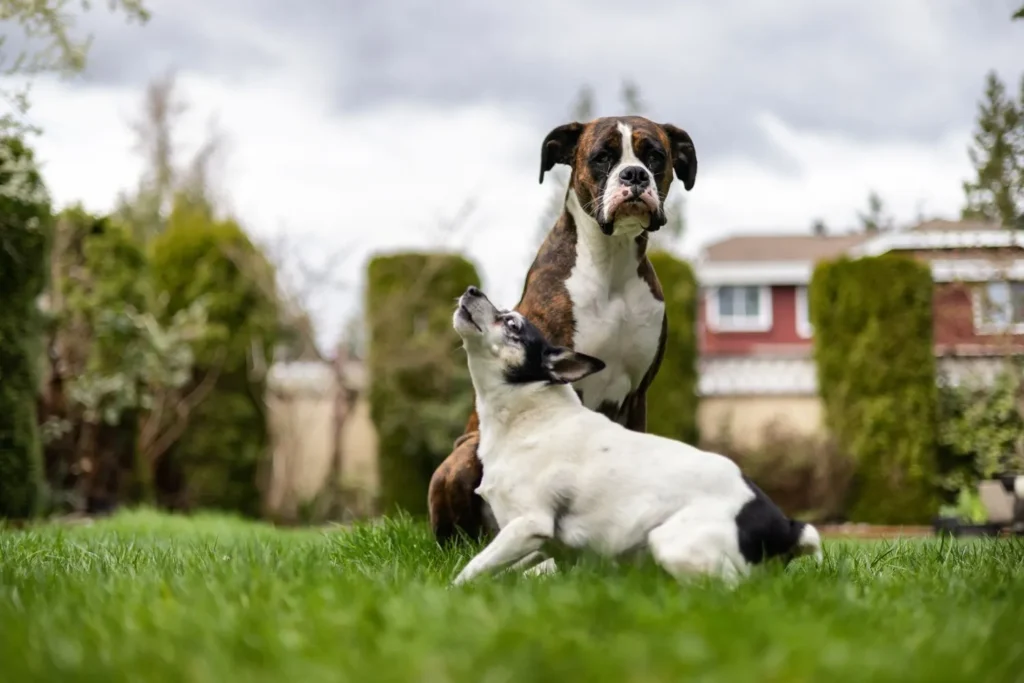
If you’re noticing persistent discoloration or patchiness in your Alpharetta yard, lawn chemistry shifts may be the underlying cause. At Weed Pro, we evaluate soil composition, pH balance, and microbial health to determine how pet activity has influenced your turf.
Contact us today for a professional lawn assessment. Our team will identify chemical imbalance patterns and recommend targeted strategies to protect your grass in the long term. Pets and healthy lawns can coexist with the right plan in place.
Frequently Asked Questions
Does the size of the dog influence lawn damage?
Yes. Larger dogs typically produce more concentrated urine, leading to higher nitrogen spikes and salt levels. However, frequency and location consistency also matter.
Can certain grass varieties tolerate pet impact better?
Some warm-season grasses demonstrate slightly higher tolerance to nitrogen surges. However, repeated exposure can affect any variety over time.
Does diet influence pet-related turf discoloration?
Diet composition may affect urine nitrogen concentration. Consulting a veterinarian can provide insights if turf damage appears excessive.