Key Takeaways
- Poor soil conditions often hinder lawn establishment in new construction areas.
- Builder soil quality is typically low due to stripped topsoil and construction activity.
- Soil grading issues and compaction limit root growth and water absorption.
- Improper site preparation leads to long-term problems with lawn installation.
- Addressing soil structure early is key to a successful new lawn setup.
Why Lawn Establishment Is Challenging in New Construction Lawns
If you’ve recently moved into a newly built neighborhood, you may have noticed something frustrating. No matter how much you water or fertilize, your grass just doesn’t seem to take off the way you expected. That’s because lawn establishment in new construction lawns comes with unique challenges that most homeowners aren’t aware of.
At WeedPro, we regularly see lawns that struggle not because of poor maintenance, but because of what happened before the grass was ever installed. Construction activity, grading, and rushed finishing work often leave behind conditions that make it difficult for turf to establish properly.
Understanding these hidden factors is the first step toward building a healthy lawn.
The Hidden Impact of Builder Soil Quality
One of the biggest reasons for poor lawn establishment is soil compaction caused by the builder. During construction, topsoil is often stripped away, moved, or buried. What remains is typically subsoil that lacks the nutrients and structure needed for healthy turf growth.
This underlying soil is often dense and low in organic matter. Without a proper topsoil layer, roots struggle to penetrate and expand. Even with regular watering, the lawn may show slow or uneven growth because the foundation simply isn’t supportive.
| Weed Pro Lawn Care: Local Lawn & Outdoor Pest Experts Reliable Service Backed by Results You Can See Choose the Right Lawn Care Solution for Your Property: –Complete Lawn Care Programs: Ongoing, customized lawn care plans designed to strengthen turf, improve soil health, and reduce weeds. –Targeted Weed & Pest Control: Focused solutions for persistent lawn weeds, invasive pests, and seasonal pressures such as mosquitoes and surface insects. –Irrigation & Lawn Health Support: Professional support for irrigation efficiency, aeration, overseeding, and soil conditioning to improve water absorption, reduce runoff, and help lawns recover from compaction, disease, or environmental damage. Customer Praise:“They have been treating my lawn for a number of years. My lawn is in great condition. I recommend giving them a chance to quote lawn service. My experience has been that their prices are below that of the large national lawn service companies. Good people..” – Ralph I. Why Homeowners Choose Weed Pro Lawn Care: -Locally owned and operated, serving North Georgia communities -Experienced technicians trained in region-specific lawn and pest challenges -Customized service plans based on property conditions, not one-size-fits-all programs -Environmentally responsible treatments with a focus on long-term lawn health -Clear communication, reliable scheduling, and service you can trust Schedule your Service Today! |
Soil Grading Issues and Their Long-Term Effects
Grading is essential for drainage, but it can also create unintended problems. Soil grading issues often result in uneven surfaces, compacted layers, or areas where water either pools or runs off too quickly.
These conditions directly affect lawn establishment by disrupting moisture balance. Turf needs consistent hydration, but poor grading can leave some areas too wet while others dry out too quickly. Over time, this leads to patchy growth and weak root systems.
Compacted Subsoil Limits Root Development
Heavy construction equipment plays a major role in shaping the soil environment. As machinery moves across the site, it compresses the ground, creating compacted subsoil layers that are difficult for roots to penetrate.
This compaction reduces airflow and limits water infiltration. Even if your lawn looks green on the surface, roots may remain shallow and weak. Without deep root development, turf struggles to handle stress from heat, foot traffic, and seasonal changes.
Site Preparation Is Often Rushed
In many cases, lawn site preparation is completed quickly at the end of construction. Builders focus on completing the project, and landscaping becomes a final step rather than a priority. This rushed process often leads to problems with lawn installation.
Proper preparation should include soil conditioning, grading refinement, and the integration of organic matter. When these steps are skipped or minimized, turf is installed on a weak foundation. The result is a lawn that looks good initially but struggles to maintain growth over time.
Construction Runoff Alters Soil Conditions
Another overlooked factor is construction runoff. During building, rainwater can carry debris, sediment, and contaminants across the site. This runoff often settles into the soil, affecting its structure and composition.
These changes can disrupt nutrient availability and create imbalances, slowing lawn establishment. Even after construction ends, runoff may continue to influence how the lawn performs.
Common Lawn Installation Problems in New Neighborhoods
Homeowners in new developments often encounter similar issues. These problems may not appear immediately, but they become more noticeable as the lawn establishes itself.
- Thin or uneven grass growth
- Areas that remain soggy or overly dry
- Difficulty maintaining a consistent green color
- Weak root systems that fail to anchor properly
- Increased sensitivity to heat and drought
Each of these symptoms points back to underlying soil conditions rather than surface-level care.
Why New Lawn Setup Requires a Different Approach
A successful new lawn setup in a newly built neighborhood requires more than standard maintenance. It demands attention to the foundational issues left behind by construction.
This includes improving soil structure, addressing compaction, and ensuring proper moisture distribution. Without these adjustments, even the best fertilization and watering practices may fall short.
How Disturbed Soil Structure Affects Growth
Construction disrupts the natural layering of soil. A disturbed soil structure can mix subsoil with remaining topsoil, creating inconsistent texture and nutrient distribution.
This inconsistency affects how roots grow and how water moves through the soil. Some areas may support healthy turf, while others lag. This variation is why many new lawns look uneven despite receiving the same care.
What a Healthy Lawn Establishment Should Look Like
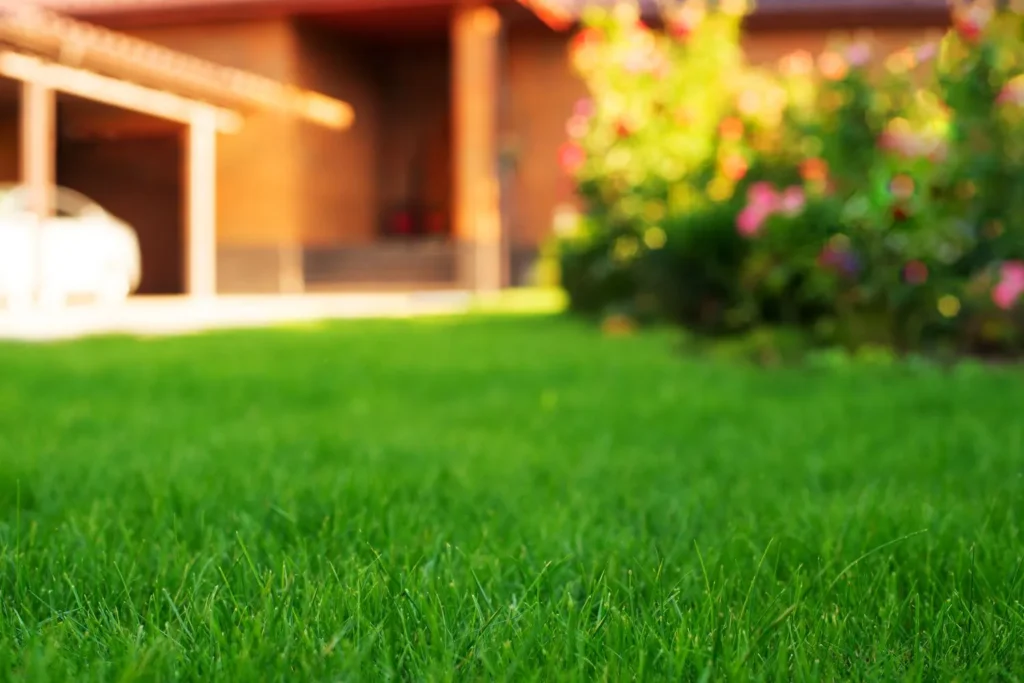
When lawn establishment is successful, growth appears steady and consistent. Grass fills in evenly, roots anchor deeply, and the lawn maintains color through changing conditions.
Signs of proper establishment include:
- Even turf density across the yard
- Strong root development beneath the surface
- Balanced moisture retention
- Minimal patchiness or thinning
- Improved resilience to environmental stress
These results reflect a well-prepared foundation.
Why Early Intervention Matters
The longer foundational issues go unaddressed, the harder they become to correct. Early intervention allows homeowners to improve soil conditions before problems become deeply rooted.
Addressing compaction, refining grading, and enhancing soil composition early can significantly improve outcomes. Waiting too long may require more intensive repair efforts later.
Timing plays a major role in long-term lawn success.
Build a Strong Foundation for Lawn Establishment

If your lawn is struggling in a newly built neighborhood, the issue may not be your maintenance routine — it may be the foundation beneath your grass. At WeedPro, we specialize in identifying and correcting the underlying causes of poor lawn establishment.
Contact us today to schedule a professional lawn evaluation. We’ll assess soil conditions, identify grading and compaction issues, and create a plan to help your lawn establish properly and thrive long-term.
Frequently Asked Questions
Can adding topsoil improve lawn establishment in new neighborhoods?
Yes, adding quality topsoil can improve nutrient availability and soil structure. However, it must be properly integrated to avoid layering issues.
How long does it take for a new lawn to fully establish?
Establishment timelines vary depending on soil conditions and care practices. In many cases, it can take an entire growing season or longer.
Are sod lawns easier to establish than seeded lawns in new construction areas?
Sod provides immediate coverage, but it still depends on soil conditions beneath it. Poor soil can affect both sod and seed outcomes.
Up Next: Why New Lawns Decline After Year One
Now that you understand why lawn establishment can be challenging in new neighborhoods, let’s look at what happens next. Next Read: Why Newly Installed Lawns Sometimes Decline After the First Year.