Key Takeaways
- Healthy lawn soil is more than “dirt”; it’s a mix of texture, structure, organic matter, microbes, nutrients, and drainage that all work together to support deep, resilient roots.
- Georgia’s clay-rich soils tend to compact easily, limiting oxygen and water movement; aeration and organic matter are essential for long-term improvement.
- Soil pH directly affects nutrient availability. Most lawns in North Georgia do best between pH 6.0 and 7.0; outside that range, fertilizers simply don’t work as well.
- Organic matter and active microbial life improve nutrient cycling, water-holding capacity, and disease resistance, making your lawn less dependent on constant chemical inputs.
- Aeration, soil conditioning, pH correction, and topdressing are powerful tools when they’re based on a real soil test, not guesswork.
Why Soil Health Matters More Than Just for “Green Blades”
You can throw fertilizer, water, and weed control at a lawn all day long, but if the soil underneath is compacted, imbalanced, or lifeless, you’ll keep fighting the same battles every season.
Healthy soil:
- Let’s roots grow deep instead of sitting just below the surface
- Holds the right amount of water without staying soggy
- Releases nutrients steadily instead of in boom-and-bust cycles
- Supports beneficial microbes that help fight disease and break down thatch
In Atlanta and North Georgia, where clay-heavy soils and summer stress are a given, focusing on soil health is the difference between a lawn that always struggles and one that actually gets easier to maintain over time.
The Building Blocks of Healthy Lawn Soil
Texture, Structure, and Drainage
Three big physical traits shape how your soil behaves:
- Texture – the mix of sand, silt, and clay
- Structure – how those particles clump together into aggregates
- Drainage – how quickly water enters and moves through the soil
Here’s how the main textures behave:
| Soil Texture | Drainage | Nutrient Retention | Compaction Risk |
| Sand | High | Low | Low |
| Silt | Moderate | Moderate | Moderate |
| Clay | Low | High | High |
| Loam | Balanced | Balanced | Low |
Most North Georgia lawns lean toward clay or clay-influenced loam. That means:
- Water can sit on the surface rather than soak in.
- Roots may stay shallow because the soil is dense.
- Lawns show stress quickly when irrigation or rain is inconsistent.
That’s why practices like core aeration and topdressing with organic-rich material are so important here; they literally change how the soil handles air and water.
Common Soil Challenges in Georgia Lawns
In this region, you’ll often see:
- Compaction from foot traffic and mowing
- Surface crusting after heavy rain
- Puddling or runoff on slopes or low spots
If you dig a small hole and find hard, plate-like layers or roots that only reach a couple of inches deep, your soil structure is holding your lawn back, not just your watering or fertilizing habits.
| Weed Pro Lawn Care: Local Lawn & Outdoor Pest Experts Reliable Service Backed by Results You Can See Choose the Right Lawn Care Solution for Your Property: –Complete Lawn Care Programs: Ongoing, customized lawn care plans designed to strengthen turf, improve soil health, and reduce weeds. –Targeted Weed & Pest Control: Focused solutions for persistent lawn weeds, invasive pests, and seasonal pressures such as mosquitoes and surface insects. –Irrigation & Lawn Health Support: Professional support for irrigation efficiency, aeration, overseeding, and soil conditioning to improve water absorption, reduce runoff, and help lawns recover from compaction, disease, or environmental damage. Customer Praise:“Jalen from weed pro is just awesome. Kind, knowledgeable and goes above and beyond. His attention to detail whenever he is out is top notch.” – Sean H. Why Homeowners Choose Weed Pro Lawn Care: -Locally owned and operated, serving North Georgia communities -Experienced technicians trained in region-specific lawn and pest challenges -Customized service plans based on property conditions, not one-size-fits-all programs -Environmentally responsible treatments with a focus on long-term lawn health -Clear communication, reliable scheduling, and service you can trust Schedule your Service Today! |
Soil pH and Nutrient Availability
Why Soil pH Matters for Grass Growth
Soil pH is simply how acidic or alkaline your soil is, but it has a significant impact on which nutrients are actually available to your grass.
- In acidic soil (low pH), phosphorus and some other nutrients can “lock up” and become hard for roots to access.
- In alkaline soil (high pH), micronutrients like iron and manganese become less available, which often shows up as yellowing leaves even when you fertilize.
Most turfgrasses common in our area perform best in a pH range of about 6.0–7.0.
If your pH is far outside that window, you can be feeding your lawn and still not see the results you expect.
Simple Ways to Test and Adjust pH
To understand your pH:
- Collect soil from several spots in the yard (2–4 inches deep).
- Mix the samples in a clean container.
- Use a DIY pH kit for a quick check, or
- Send your sample to a soil testing lab for a full report, including pH and nutrient levels.
Typical pH ranges and what they often mean:
| pH Range | Nutrient Availability | Common Amendment |
| 5.0–5.9 | Low phosphorus, possible micronutrient solubility | Agricultural lime recommended |
| 6.0–7.0 | Optimal availability for most turf nutrients | Monitor and maintain |
| 7.1–8.0 | Reduced availability of iron, manganese | Elemental sulfur or acidifying strategies |
Adjustments don’t happen overnight:
- Lime slowly raises pH over several months.
- Sulfur gradually lowers pH as soil microbes process it.
Because it’s easy to overcorrect, many homeowners prefer to have a professional calculate rates and schedule follow-up tests.
Organic Matter and Microbial Life: The Engine Under Your Lawn
How Organic Matter Changes Soil Behavior
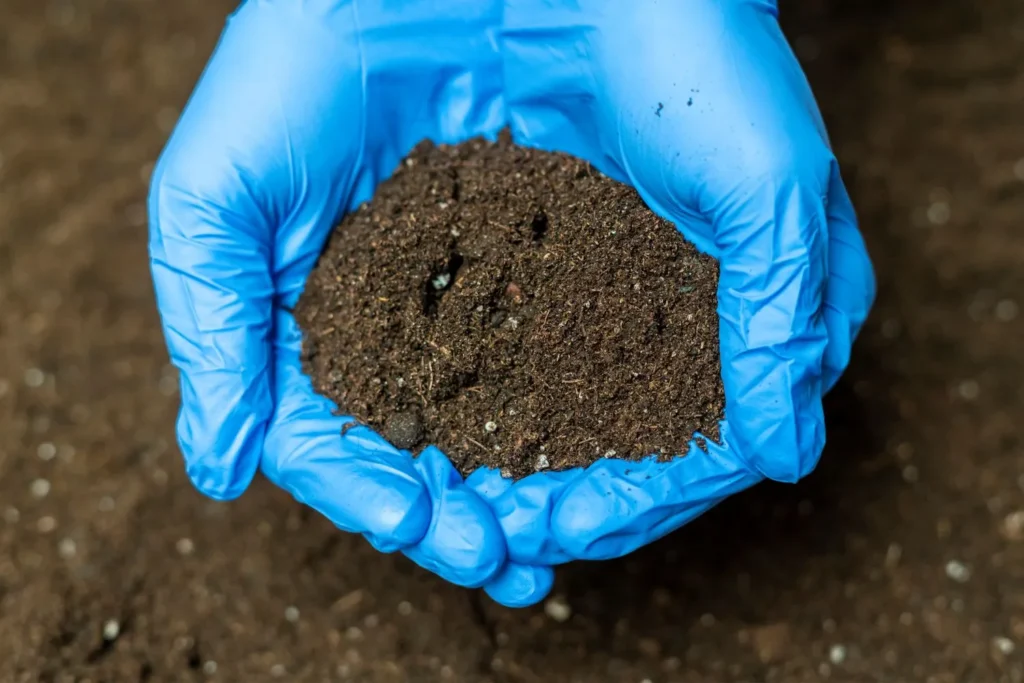
Organic matter is the decomposed plant and animal material in your soil. It’s a big deal because it:
- Increases the soil’s ability to hold water without becoming waterlogged
- Improves aggregation, which creates pore spaces for air and roots
- Buffers nutrient release so fertilizers work more efficiently
In sandy areas, organic matter acts like a sponge. In clay-heavy areas (like much of North Georgia), it helps loosen the soil and reduce crusting.
Everyday Ways to Build Organic Matter
You don’t have to overhaul your whole yard to improve organic matter. Simple habits help:
- Mulch-mow your clippings instead of bagging them
- Add compost topdressing once or twice a year (especially after aeration)
- Use slow-release or organic-based fertilizers that feed both grass and microbes
Topdressing is especially powerful when done after core aeration, compost can fall into the holes and integrate into the root zone rather than just sit on the surface.
What Soil Microbes Do for Your Lawn
Healthy soil is full of life: bacteria, fungi, nematodes, and more. These microbes:
- Break down organic matter into plant-available nutrients
- Help “unlock” phosphorus and other bound nutrients
- Compete with or reduce some pathogenic organisms
- Assist with thatch breakdown over time
When you support microbes with organic inputs and avoid unnecessary, harsh chemicals, your lawn becomes less dependent on frequent heavy fertilizing.
Fixing Compaction with Aeration and Soil Conditioning
Core Aeration vs. Liquid Aeration
Compaction is one of the biggest problems in Georgia lawns. Two main tools help relieve it:
Core Aeration
- A machine pulls small plugs (cores) out of the soil
- Creates open channels for air, water, and roots
- Great for dense, clay-heavy, or high-traffic areas
- Best done during the active growing season for your grass type
Liquid Aeration
- Uses liquid products with surfactants or soil conditioners
- Helps loosen soil structure and improve water movement
- Less disruptive to the surface, but usually more subtle and cumulative
For seriously compacted soil, core aeration is usually the starting point, often repeated annually or every other year. Liquid aeration can be a helpful supplement between core aerations.
When to Add Topdressing or Soil Conditioners
To take full advantage of aeration:
- Apply a thin layer of compost or high-quality topsoil after coring.
- Rake or drag it lightly to help material fall into the holes.
This improves:
- Organic matter levels
- Surface smoothness
- Seed-to-soil contact if you’re also overseeding
In heavier clay soils, gypsum or specific conditioners may be recommended to improve aggregation and reduce surface crusting. These are most effective when paired with aeration so they can move into the profile.
How Weed Pro Lawn Care Helps Improve Soil Health
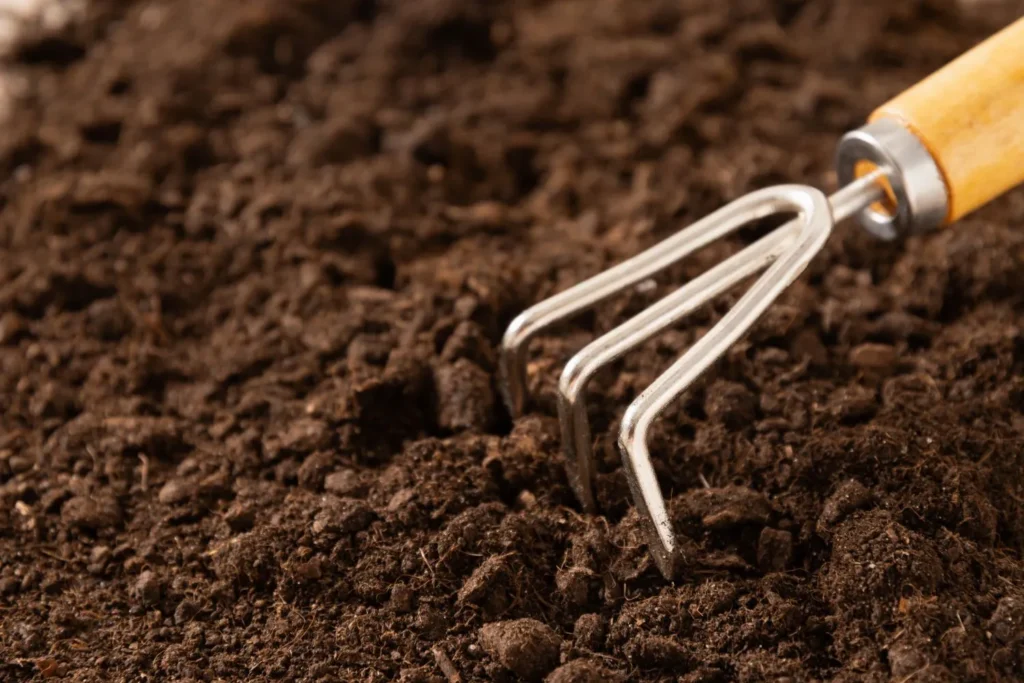
Improving soil isn’t just a one-time project; it’s a process. Weed Pro Lawn Care focuses on soil-first strategies for Atlanta and North Georgia lawns, including:
- Soil testing and pH analysis to identify real nutrient and pH needs
- Core and liquid aeration plans tailored to clay-heavy and compacted yards
- Topdressing and organic amendment recommendations to build structure and microbial life
- Customized fertilization schedules that match your soil test and turf type
Their three-step approach, Property Assessment → Tailored Plan & Quote → Treatment & Maintenance, is designed to address the root causes of lawn problems, not just the symptoms on the surface.
If your lawn feels “stuck” even with fertilizer and watering, your soil may be telling you something. Contact us today to request a soil-focused assessment from Weed Pro Lawn Care and start building a healthier foundation for your lawn, season after season.
Frequently Asked Questions
How do you know if your soil is the real problem, or if it’s just your watering or mowing?
Signs of soil trouble include standing water after rain, very hard ground that’s tough to dig into, roots that only extend an inch or two, and areas that always dry out or thin first. If you’re mowing and watering correctly but the same spots always struggle, soil structure or pH is often to blame.
How often should you test your lawn’s soil?
For most home lawns, testing every 2–3 years is enough unless you’re making significant changes (like heavy liming) or dealing with ongoing problems. A fresh test before major pH corrections or renovation work is always a smart move.
Will one aeration fix your compaction issues for good?
No, compaction slowly returns with foot traffic, mowing, and weather. Think of core aeration as routine maintenance, similar to changing your car’s oil. Many Georgia lawns benefit from annual aeration, especially in high-traffic or clay-heavy areas.
Keep Going: Learn the Follow-Up Steps That Make Overseeding Work
Overseeding works best with proper aftercare. Continue to “Why Overseeding Needs the Right Follow-Up in Mableton to Grow a Healthy, Thriving Lawn“ for watering, mowing, and feeding steps that protect new seedlings.