Key Takeaways
- Newly Installed Lawns often look great at first, but decline due to weak root establishment.
- Poor first-year lawn care can lead to long-term issues with turf establishment.
- Nutrient depletion and soil settling reduce lawn performance over time.
- Early lawn stress can go unnoticed until visible lawn deterioration appears.
- Long-term success depends on consistent care beyond initial installation.
Why Newly Installed Lawns Often Look Great—At First
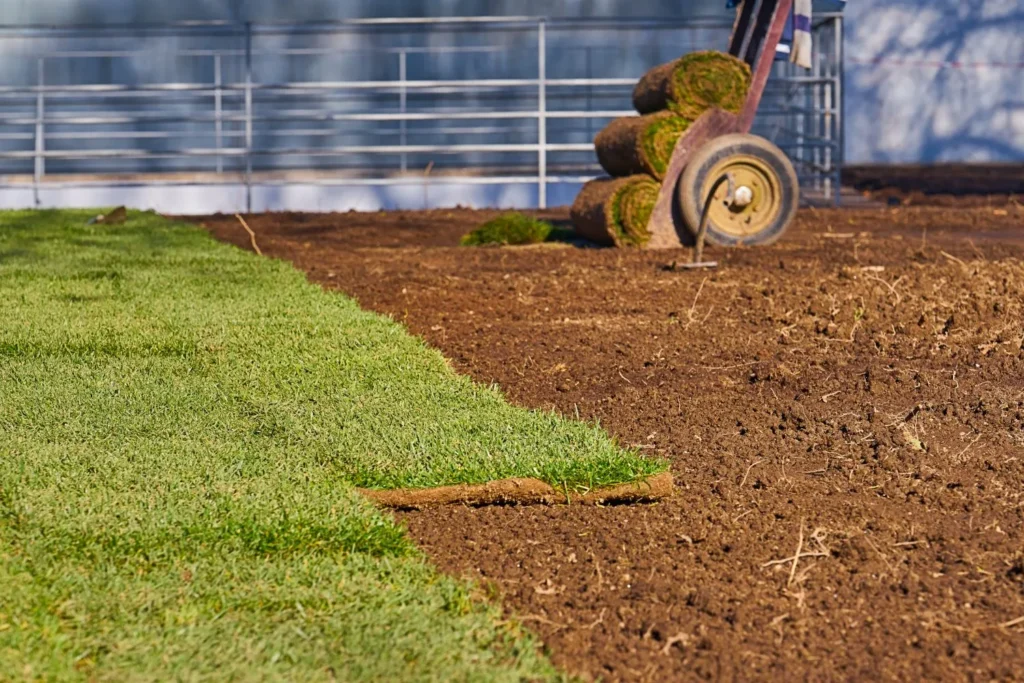
When homeowners install new grass, whether through sod or seed, the results can be impressive right away. Fresh, green turf gives the appearance of a healthy lawn, and for a while, everything seems to be working perfectly. However, many Newly Installed Lawns begin to struggle after the first year, leaving homeowners wondering what went wrong.
At WeedPro, we often see this pattern. The initial success is real, but it can be misleading. Early growth is often supported by temporary conditions that don’t reflect long-term stability. Once those conditions fade, underlying weaknesses begin to surface.
The first year is not the finish line—it’s just the beginning.
Root Establishment Is the Real Test
The most critical factor in determining long-term lawn success is root establishment. While new sod or seedlings may look strong above ground, the root system below ground often takes much longer to fully develop.
During the first year, roots are still adapting to the soil. If conditions are not ideal, roots may remain shallow or uneven. This leads to turf establishment issues that only become visible over time.
A lawn that hasn’t developed deep roots will struggle when faced with heat, drought, or foot traffic.
Soil Settling Changes the Playing Field
After installation, soil naturally shifts and compacts. This process, known as soil settling, can create uneven surfaces and affect how water moves through the lawn.
As the soil settles, certain areas may retain too much moisture while others dry out quickly. These inconsistencies can lead to uneven growth and early signs of lawn decline after installation.
Even a well-installed lawn can change as the ground beneath it stabilizes.
Nutrient Depletion After Initial Growth
New lawns often receive a boost of nutrients during installation. However, these nutrients don’t last forever. Over time, nutrient depletion begins to affect turf performance.
Without proper replenishment, grass may lose color, density, and overall strength. This decline can be gradual, making it difficult to notice until the lawn begins to look noticeably weaker.
Consistent fertilization is essential to maintaining long-term health.
| Weed Pro Lawn Care: Local Lawn & Outdoor Pest Experts Reliable Service Backed by Results You Can See Choose the Right Lawn Care Solution for Your Property: –Complete Lawn Care Programs: Ongoing, customized lawn care plans designed to strengthen turf, improve soil health, and reduce weeds. –Targeted Weed & Pest Control: Focused solutions for persistent lawn weeds, invasive pests, and seasonal pressures such as mosquitoes and surface insects. –Irrigation & Lawn Health Support: Professional support for irrigation efficiency, aeration, overseeding, and soil conditioning to improve water absorption, reduce runoff, and help lawns recover from compaction, disease, or environmental damage. Customer Praise:“Weed Pro and Brandon, our favorite Technician, always do a wonderful job. Communication is top notch. Prices are fair. Been using them for 10+ yrs. Highly recommend.” – Jamie G. Why Homeowners Choose Weed Pro Lawn Care: -Locally owned and operated, serving North Georgia communities -Experienced technicians trained in region-specific lawn and pest challenges -Customized service plans based on property conditions, not one-size-fits-all programs -Environmentally responsible treatments with a focus on long-term lawn health -Clear communication, reliable scheduling, and service you can trust Schedule your Service Today! |
Early Lawn Stress Often Goes Unnoticed
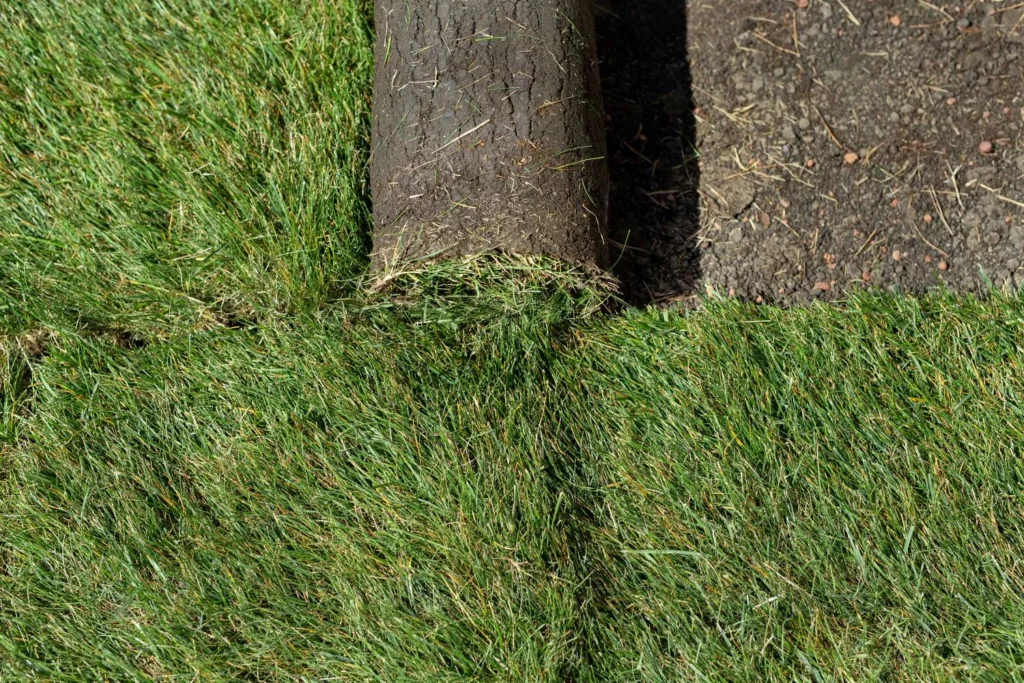
During the first year, lawns may experience early lawn stress without obvious warning signs. Heat, inconsistent watering, and foot traffic all contribute to gradual wear.
Because the lawn still appears green, these stress factors are often overlooked. By the time visible damage appears, the lawn may already be dealing with deeper structural issues.
Stress accumulates quietly before it becomes visible.
Maintenance Gaps After Installation
Many homeowners focus heavily on care during the first few weeks after installation. However, maintenance gaps often develop once the lawn appears established.
Common gaps include:
- Inconsistent watering schedules
- Irregular mowing practices
- Lack of follow-up fertilization
- Ignoring early weed growth
These lapses can accelerate lawn deterioration, especially during the transition from establishment to long-term growth.
Sod Failure Causes in the First Year
In sod lawns, sod failureoften stems from poor root integration. If sod fails to bond properly with the underlying soil, it becomes dependent on surface moisture rather than deep root systems.
This can lead to:
- Sections of turf lifting or separating
- Rapid drying during warm conditions
- Weak anchoring in high-traffic areas
Proper root integration is essential for stability beyond the first year.
Why First-Year Lawn Care Is Critical
The way you care for your lawn during the first year sets the stage for future performance. Effective first-year lawn care focuses on building strength, not just maintaining appearance.
Key priorities include:
- Encouraging deep root growth
- Maintaining consistent moisture levels
- Supporting nutrient balance
- Preventing early weed competition
Skipping these steps may lead to problems that become harder to fix later.
Signs of Lawn Decline After Installation
As Newly Installed Lawns begin to struggle, certain signs become more noticeable. These indicators often appear gradually rather than suddenly.
- Thinning or patchy areas
- Uneven color across the lawn
- Reduced growth rate
- Increased sensitivity to heat or drought
- Visible separation in sod sections
Recognizing these signs early allows for quicker correction.
Why Turf Establishment Issues Persist
Once turf establishment issues develop, they don’t resolve on their own. Weak root systems and inconsistent soil conditions continue to affect growth patterns.
Even with improved care, recovery may take time. Addressing the underlying causes—such as soil conditions and maintenance habits—is necessary to restore long-term health.
How to Strengthen Newly Installed Lawns
To prevent long-term decline, focus on strengthening the lawn beyond its initial phase:
- Improve soil structure through aeration if needed
- Maintain a consistent fertilization schedule
- Adjust watering based on seasonal conditions
- Monitor for early signs of stress or thinning
- Avoid excessive foot traffic during recovery periods
These steps support stronger root systems and more stable growth.
Long-Term Success Requires Consistency
A healthy lawn doesn’t happen overnight. Newly Installed Lawns require ongoing attention even after they appear established. Consistency in care is what transforms a new lawn into a durable one.
By maintaining proper care practices, homeowners can prevent the gradual decline that often occurs after the first year. Strong roots, balanced nutrients, and steady maintenance all contribute to long-term success.
Keep Your Newly Installed Lawn Strong Beyond Year One
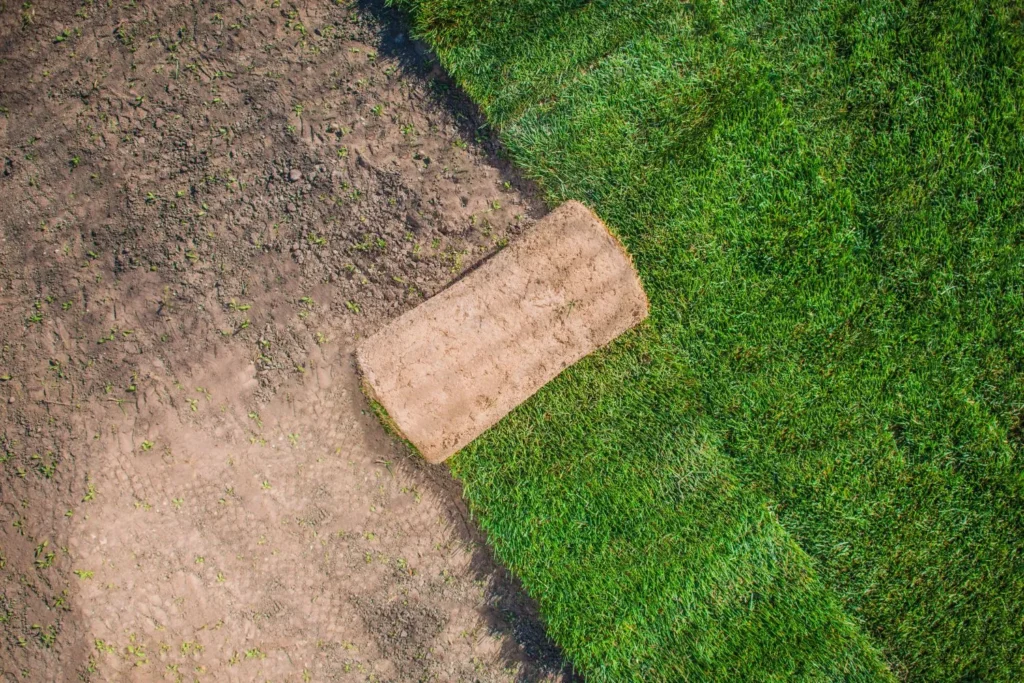
If your lawn is starting to show signs of decline, don’t wait for the problem to worsen. At WeedPro, we specialize in helping Newly Installed Lawns transition from early success to long-term stability.
Contact us today to schedule a professional lawn evaluation. We’ll identify the root causes of decline and create a plan to restore strength, improve growth, and keep your lawn performing at its best.
Frequently Asked Questions
Can weather conditions during the first year affect long-term lawn health?
Yes, extreme weather during the first year can impact root development and soil conditions. Proper care can help reduce long-term effects.
Is reseeding necessary if a new lawn starts to decline?
Reseeding may help in certain areas, but addressing underlying issues is more important. Without correcting soil or care problems, reseeding alone may not solve the issue.
How often should newly installed lawns be evaluated?
Regular evaluations throughout the first year help identify early problems. Seasonal check-ins can improve long-term outcomes.
Up Next: How Drainage Shapes Lawn Growth
Now that you understand why Newly Installed Lawns decline after the first year, let’s explore another key factor that impacts turf health. Next Read: How Drainage Issues Affect Lawn Growth and Root Development