Key Takeaways
- Overseeding is only half the job; consistent follow-up care (watering, mowing, feeding, and weed control) is what turns seed into a thicker, healthier lawn.
- In Mableton’s warm, humid climate, newly seeded areas dry out quickly on sunny days and stay damp longer in shade, so you must adjust watering and mowing to real conditions, not the calendar.
- The first 3–4 weeks are critical: light, frequent watering and gentle mowing at the right height set the stage for strong roots and long-term density.
- Starter fertilizer should be used sparingly and at the right time; too early or too much can burn tender roots and slow establishment.
- Skipping careful weed control during establishment invites crabgrass and broadleaf weeds to move into thin spots before the turf can fill in.
Why Aftercare Makes or Breaks Overseeding Results
Spreading seed is the easy part. What really determines whether your Mableton lawn thickens up or stays patchy is what you do in the weeks after overseeding.
Right after seeding, grass is at its most vulnerable:
- Seeds need constant surface moisture, not puddles, to germinate.
- Dull mower blades and heavy foot traffic easily damage tiny seedlings.
- Poorly timed fertilizer or weed control can burn new growth or block germination.
In Georgia’s climate, with warm days, humid nights, and occasional heavy downpours, that aftercare window matters even more. A good follow-up plan focuses on four things:
- Watering in stages – light and frequent at first, then deeper and less often.
- Gentle mowing – at the right height, with sharp blades.
- Smart feeding – using a balanced starter at the correct time.
- Careful weed control – cultural practices first, chemicals later.
Get those right, and your overseeding project has a much better chance of becoming the thick, green lawn you had in mind.
Watering Schedule: From Seed to Established Turf
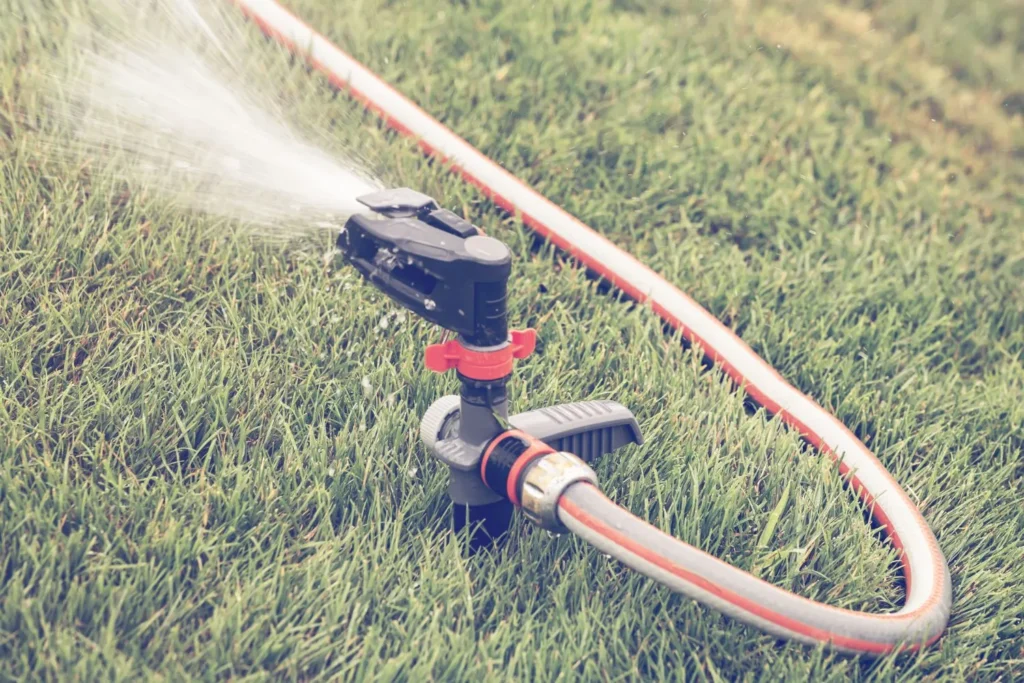
A new seed doesn’t fail because you don’t water it; it fails because watering isn’t consistent or staged. In Mableton, you want to keep the top layer of soil moist without turning it into mud.
Stage 1: Germination (Week 1)
Goal: Keep the top ¼–½ inch of soil consistently damp.
- Water 3–4 times per day in very short bursts.
- Aim for 5–10 minutes per zone, depending on your system and soil.
- Avoid heavy watering that causes puddles or seed washout.
Stage 2: Early Rooting (Weeks 2–3)
Goal: Maintain moisture while roots start to move deeper.
- Reduce to 2 light waterings per day.
- Increase duration to about 10–15 minutes per zone.
- Check the top inch of soil; it should feel moist, not soggy.
Stage 3: Deep Root Development (Month 1+)
Goal: Train roots to chase water deeper into the soil.
- Shift to 3 deeper waterings per week.
- Run each zone 20–30 minutes, adjusted for slope and soil.
- Let the surface dry slightly between waterings to discourage disease.
Quick Watering Reference for Overseeded Lawns in Mableton
| Phase | Frequency | Typical Duration per Cycle |
| Week 1 | 3–4 times daily | 5–10 minutes per zone (light) |
| Week 2–3 | 2 times daily | 10–15 minutes per zone (maintain moist seedbed) |
| Month 1+ | 3 times weekly | 20–30 minutes per zone (deeper soak) |
Adjust up or down for heavy shade, steep slopes, or very compacted soil. When in doubt, dig a small plug. The soil should be moist a couple of inches down, not just at the surface.
| Weed Pro Lawn Care: Local Lawn & Outdoor Pest Experts Reliable Service Backed by Results You Can See Choose the Right Lawn Care Solution for Your Property: –Complete Lawn Care Programs: Ongoing, customized lawn care plans designed to strengthen turf, improve soil health, and reduce weeds. –Targeted Weed & Pest Control: Focused solutions for persistent lawn weeds, invasive pests, and seasonal pressures such as mosquitoes and surface insects. –Irrigation & Lawn Health Support: Professional support for irrigation efficiency, aeration, overseeding, and soil conditioning to improve water absorption, reduce runoff, and help lawns recover from compaction, disease, or environmental damage. Customer Praise:“We have been using WeedPro since last summer and what a difference in our lawn! We have received excellent service from Brandon on many of the problems we struggled with in the past. Thank you WeedPro.” – Ron K. Why Homeowners Choose Weed Pro Lawn Care: -Locally owned and operated, serving North Georgia communities -Experienced technicians trained in region-specific lawn and pest challenges -Customized service plans based on property conditions, not one-size-fits-all programs -Environmentally responsible treatments with a focus on long-term lawn health -Clear communication, reliable scheduling, and service you can trust Schedule your Service Today! |
Mowing New Grass Without Setting It Back
The first few mows after overseeding can either thicken the lawn or shock it. The rule of thumb: mow by height, not by a certain number of days.
General Mowing Guidelines
- Wait until you can take 2–3 regular mowing’s worth of clippings before your first cut.
- Never remove more than one-third of the blade in a single mowing.
- Use sharp blades, ragged cuts stress seedlings, and invite disease.
Recommended Heights by Grass Type
| Grass Type | First Mow Trigger | Recommended First-Cut Height |
| Tall Fescue | 3.5–4.0 inches | Cut to 3.0–3.5 inches |
| Bermudagrass | 1.5–2.0 inches (when stolons rooted) | Cut to 1.5 inches |
| Mixed/Transition | Based on dominant species | Follow dominant species guideline |
For tall fescue overseeding in fall:
- Let it reach the upper end of the range before the first mow.
- Keep it a bit taller through the first season to protect roots and shade out weeds.
For Bermuda thinning filled by overseeding:
- Make sure stolons and new seedlings have rooted firmly before mowing.
- Avoid scalping; a close cut too early can pull seedlings right out of the soil.
Feeding New Seedlings Without Burning Them
New grass needs nutrition, but it also has very delicate roots. The goal is a gentle starter boost, not a heavy “green-up” that can scorch seedlings.
When to Apply Starter Fertilizer
- Wait until seedlings have 2–3 true leaves and are growing steadily.
- In most Mableton overseeding jobs, that’s about 3–4 weeks after germination, depending on the weather.
What to Use
- Choose a starter fertilizer with balanced nutrients and moderate nitrogen.
- Avoid very high-salt or quick-release formulas designed for mature summer lawns.
- Always follow the label rate per 1,000 sq ft; more is not better.
Lightly water after application so nutrients move into the root zone without washing away. After this first feed, your lawn can transition into a regular, seasonally appropriate fertility program.
Keeping Weeds From Stealing the Spotlight
Weeds love the same thin, open areas you’re trying to fill with grass. During establishment, your focus should be on cultural weed control, thick turf, correct mowing height, and steady feeding—not heavy herbicide use.
Fertilizer and Herbicide Timing Basics
| Treatment | Timing Relative to Overseeding | Key Recommendation |
| Starter fertilizer | At or shortly after germination (3–4 weeks) | Use low-salt starter with moderate P (follow label) |
| Pre-emergent herbicide | Not within 3–4 months of seeding | Avoid until turf established |
| Post-emergent spot treatment | After seedlings tolerate herbicide (usually 3+ months) | Use selective products as needed |
Weed Control DOs and DON’Ts for New Lawns
DO:
- Maintain proper mowing height to shade the soil.
- Keep watering and feeding on schedule so the turf can outcompete weeds.
- Pull isolated weeds by hand or use very targeted spot treatments.
DON’T:
- Use pre-emergent herbicides right before or right after overseeding.
- Blanket-spray strong weed killers over young turf.
- Over-fertilize in hopes of faster green-up. This can favor weeds and burn seedlings.
If weeds start to gain ground despite good cultural practices, that’s a good time to get a professional opinion before you reach for stronger products.
When It Makes Sense to Call in a Local Pro
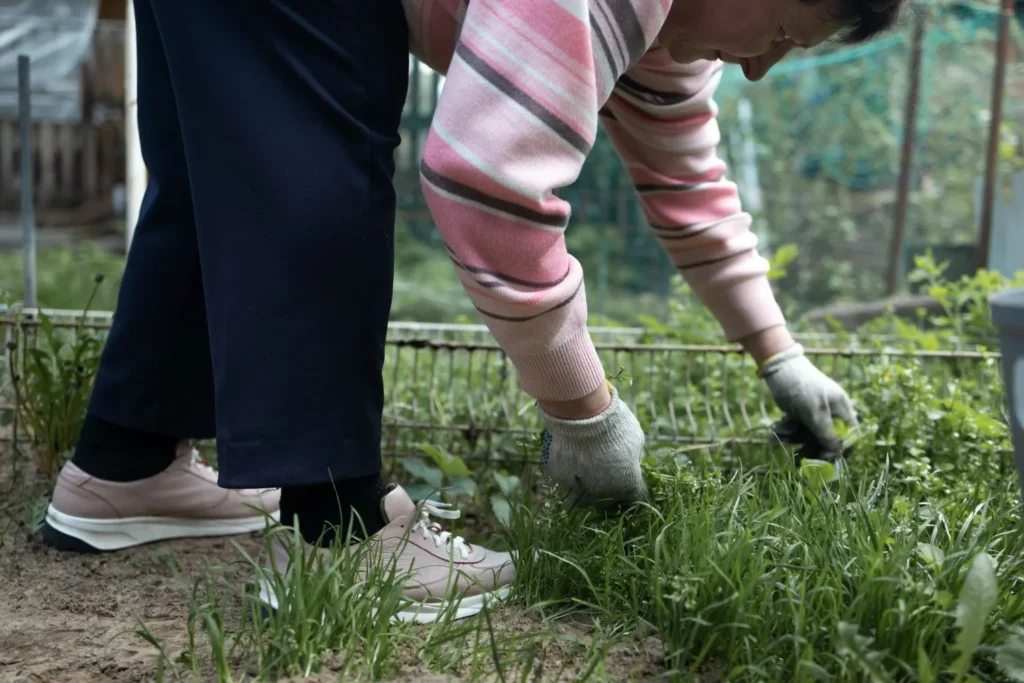
Overseeding follow-up sounds simple on paper, but life, weather, and Georgia clay can quickly complicate things. It’s worth calling in help if:
- You’re not sure how to adjust watering for slopes, shady corners, or runoff.
- The lawn has ongoing weed or disease issues, in addition to being thin.
- Past overseeding attempts never really “took,” even though you watered.
- You don’t have time to fine-tune schedules, blades, and fertilizer timing.
Weed Pro Lawn Care is a locally-owned local team that understands Mableton’s soils and seasonal patterns. Our overseeding follow-up plans include irrigation guidance, mowing recommendations, starter fertilization at the right time, and safe weed-control sequencing so you’re not guessing your way through the most critical weeks.
If you’d rather hand off aftercare to those who do this every day, contact us today to schedule a lawn evaluation and receive a step-by-step follow-up plan tailored to your overseeded yard.
Frequently Asked Questions
How long does it take an overseeded lawn in Mableton to fill in?
Most homeowners see noticeable thickening within 4–8 weeks, depending on grass type and weather. Full integration with the existing turf can take an entire growing season, especially if the lawn started very thin or compacted.
Is it okay to walk on the lawn right after overseeding?
Light, careful foot traffic to water or move hoses is usually fine, but avoid regular use for at least the first few weeks. Heavy traffic can press seed into clumps, cause bare streaks, or uproot new seedlings.
Can you overseed and use a weed-and-feed product at the same time?
No. Most weed-and-feed products contain herbicides that can prevent grass seed from germinating or injure young seedlings. Overseed first, focus on watering and mowing, and wait several months before using broad herbicides.
Next Article: Does Your Lawn Need Professional Disease Treatment
Read “Does Your Lawn Need Professional Disease Treatment? How to Spot Lawn Diseases and Get the Right Fix“.