Key takeaways
- The best weed control starts with thicker turf, not stronger chemicals
- Pre-emergent products work only before weeds sprout, so timing matters more than brand
- Most broadleaf weeds can be handled with spot treatments and better lawn habits
- Annual grassy weeds like crabgrass are easiest to stop with spring pre-emergent + dense grass coverage
- Mowing height, watering depth, and soil compaction are the three biggest “weed triggers” in Georgia lawns
- If weeds keep returning, the underlying issue is usually thin turf, compacted soil, or mis-timed applications
Why Weeds Take Over Georgia Lawns So Fast
Georgia lawns are basically the perfect environment for weeds: long warm seasons, heavy rains followed by heat, and soils that range from sandy to clay-heavy and compacted. When turf is thin, stressed, or cut too short, weeds don’t just sneak in—they move in.
Most weed problems come down to one of these situations:
- Bare spots where sunlight hits the soil directly
- Shallow watering that keeps roots weak and the surface damp
- Mowing too low, which “scalps” grass and opens space for invaders
- Compacted soil that prevents grass roots from spreading and thickening
Fix those conditions, and you automatically cut weed pressure, often more than any single product can.
What Are the Most Common Weeds in Georgia Lawns?
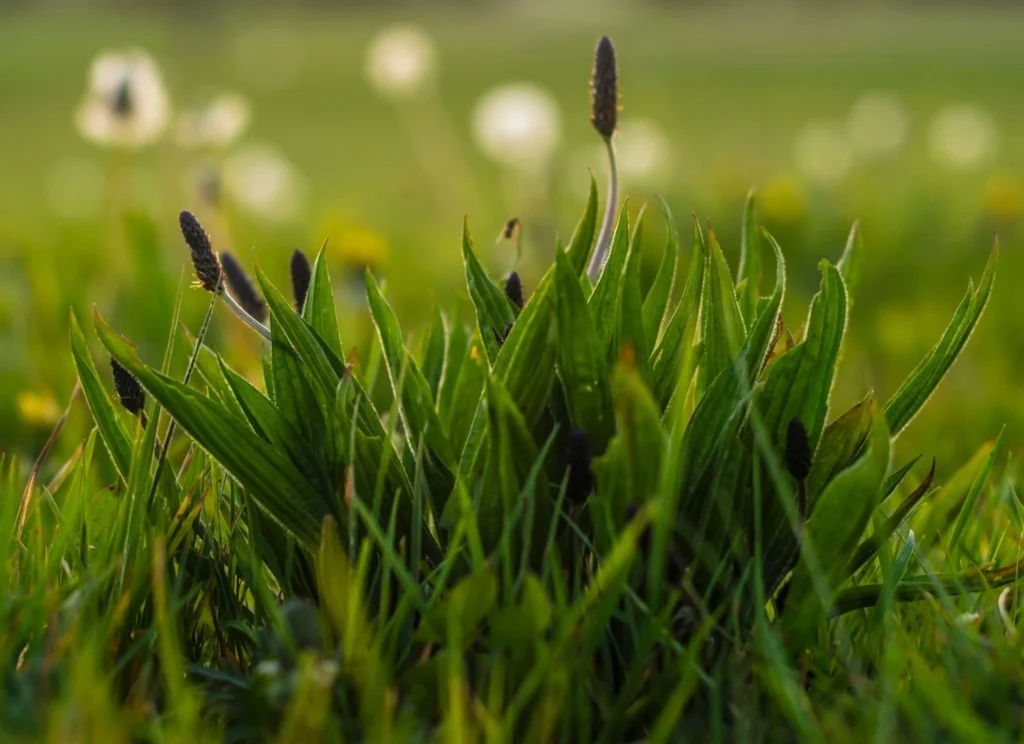
You’ll usually see a mix of grassy weeds and broadleaf weeds. The reason this matters is simple: grassy weeds are often best prevented, while broadleaf weeds are often best removed once you see them.
Common grassy weeds
- Cabgrass: low, spreading clumps that form mats once the heat ramps up
- Foxtail: upright grassy tufts with bristly seedheads in summer
Common broadleaf weeds
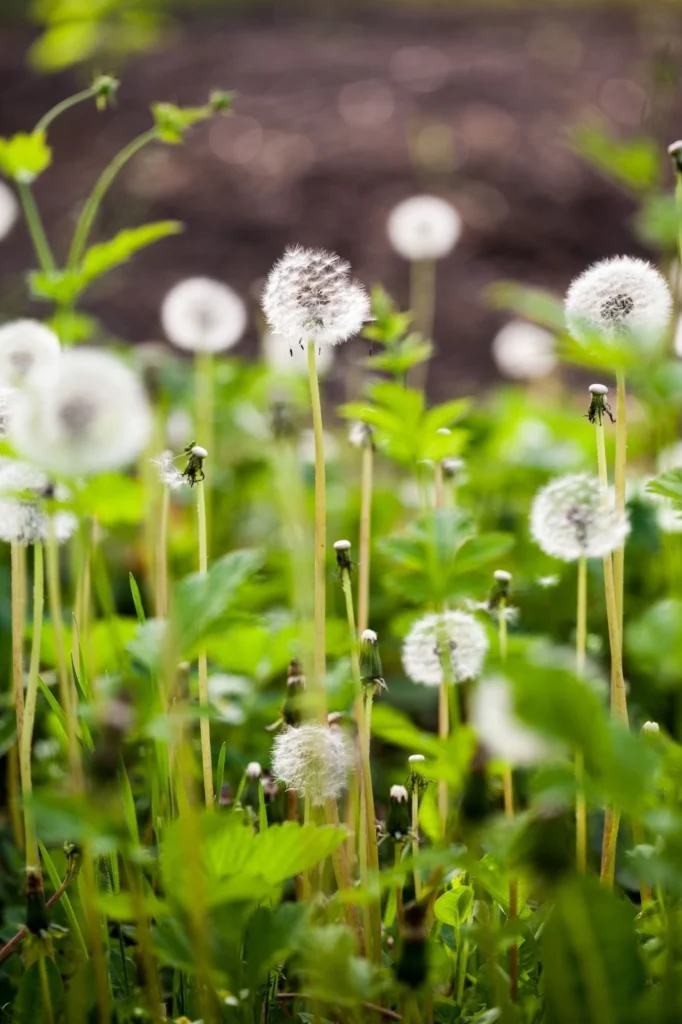
- Dandelion: toothed leaves in a rosette, yellow flower, and a deep taproot that regrows if you snap it
- Clover: low-growing patches with three-part leaves, often tied to low nitrogen or compacted soil
- Chickweed: low mats with small leaves and tiny white flowers, often worse in cooler periods
If you can identify what type of weed you’re dealing with, you can stop guessing and start using the right method.
How to Tell Broadleaf Weeds From Grassy Weeds
Broadleaf weeds are usually easier to spot because they don’t look like grass. They often have obvious leaves, flowers, and thicker stems. They also respond well to spot removal, either by hand or with selective post-emergent lawn products.
Grassy weeds can be trickier because they blend in until they mature. Once they’re established, they compete aggressively and drop new seeds fast. That’s why the best strategy for grassy weeds is usually to prevent them from sprouting in the first place.
A quick rule that works for most lawns:
- If it looks like a different plant, it’s usually a broadleaf weed you can spot-treat
- If it looks like “bad grass,” it’s usually a grassy weed you should prevent next season and reduce seed now
When Should You Apply Pre-Emergent in Atlanta and North Georgia?

Pre-emergent weed control is a prevention tool. It doesn’t kill weeds you already have; it stops future weeds from germinating.
The biggest mistake homeowners make is applying it when they see weeds. By then, the window has already passed.
In the Atlanta and North Georgia area, pre-emergent timing is usually tied to soil temperature, not the calendar. The most crucial window is when soil temperatures approach the mid-50s Fahrenheit, because that’s when many annual grassy weeds start waking up and sprouting.
What to keep in mind before you apply:
- Apply before germination, not after
- Pick a product labeled for your specific grass type
- Pay attention to reseeding restrictions, because many pre-emergents will block grass seed too
If your lawn needs overseeding, timing and product choice become even more critical.
| Weed Pro Lawn Care: Local Lawn & Outdoor Pest Experts Reliable Service Backed by Results You Can See Choose the Right Lawn Care Solution for Your Property: –Complete Lawn Care Programs: Ongoing, customized lawn care plans designed to strengthen turf, improve soil health, and reduce weeds. –Targeted Weed & Pest Control: Focused solutions for persistent lawn weeds, invasive pests, and seasonal pressures such as mosquitoes and surface insects. –Irrigation & Lawn Health Support: Professional support for irrigation efficiency, aeration, overseeding, and soil conditioning to improve water absorption, reduce runoff, and help lawns recover from compaction, disease, or environmental damage. Customer Praise:“I just wanna say thank you so much to jay and jimmy for helping me with my lawn. I when to so many companies none of them could fix my grass. I give weedpro a call and right away they help me with my grass. Jay guaranteed my lawn would be great again he did not lie. Jimmy came out to do my grass we not talking about no five mins. He took his time and made sure he cover my whole lawn and give me updates about my grass. Top of that any treatment my grass need it not sell me what I didn’t need. I promise you! You won’t regret it. Weedpro is my favorite and only lawn care I will be using!” – Crisitna S. Why Homeowners Choose Weed Pro Lawn Care: -Locally owned and operated, serving North Georgia communities -Experienced technicians trained in region-specific lawn and pest challenges -Customized service plans based on property conditions, not one-size-fits-all programs -Environmentally responsible treatments with a focus on long-term lawn health -Clear communication, reliable scheduling, and service you can trust Schedule your Service Today! |
How to Apply Pre-Emergent Safely Without Damaging Your Lawn
Pre-emergent works best when it’s applied evenly and at the correct rate. More is not better, and uneven coverage often yields patchy results that make the product look like it “didn’t work.”
A practical, safe approach looks like this:
- Measure your lawn area, so you apply the correct amount
- Use a calibrated spreader and walk at a consistent pace
- Avoid heavy overlap on turns and edges to prevent over-application
- Only water-in if the label tells you to activate it
- Keep kids and pets off the lawn until the label says it’s safe
If you’re not sure about the timing, or you’re juggling overseeding and prevention in the same season, that’s one of the situations where professional guidance can prevent expensive do-overs.
The Best Cultural Weed Prevention Methods That Reduce Chemicals Over Time
If you want fewer weeds long-term, focus on building turf that crowds weeds out. A thick lawn is a weed-control system by itself.
Start with these high-impact habits:
Mow higher than you think you should
In Georgia, mowing too low is one of the fastest ways to invite weeds. Taller grass shades the soil, keeps roots deeper, and makes it harder for weed seeds to sprout.
Water deeper, less often
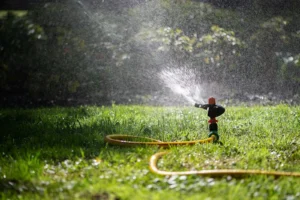
Shallow, frequent watering keeps roots near the surface and helps weeds that thrive in damp topsoil. Deep watering encourages stronger turf roots that compete better in heat.
Fertilize based on what your lawn needs
Overfertilizing can cause weak growth and disease, while underfertilizing leaves the turf thin and vulnerable. If clover is showing up everywhere, it can be a clue that your lawn is underfed or that the soil is compacted.
Relieve compaction with aeration when needed
Compacted soil blocks root growth and makes water run off instead of soaking in. Aeration improves oxygen and water movement, allowing grass to thicken and recover, especially in clay-heavy yards.
These steps make every other weed-control method, including pre-emergent, more effective.
What to Do When You Already Have Weeds
If weeds are already visible, you’re in removal mode, at least for now.
A smart approach is:
- Hand-pull isolated weeds when the soil is moist, and roots come out cleanly
- Spot-treat patches instead of blanket treating the whole yard
- Repair the turf after removal, so weeds don’t reclaim the open space
If you remove weeds but never fix the thin turf underneath, weeds usually come right back. Think of removal as step one, not the whole plan.
Build a Lawn That Naturally Resists Weeds
Long-term weed control depends on strong turf and proper timing, not just herbicides. When weeds keep returning, it often signals underlying lawn health problems. Weed Pro Lawn Care offers integrated weed control programs that strengthen turf while reducing weed pressure.
Contact us today to schedule a lawn evaluation and create a lasting solution.
FAQ
When should pre-emergent weed control be applied in Georgia?
Pre-emergent should be applied in early spring when soil temperatures rise. Timing is critical for effectiveness. Late applications usually miss the window.
Does mowing height affect weed growth?
Yes, mowing too low weakens turf and allows weeds to establish. Proper mowing height helps grass outcompete weeds. Consistency matters.
How long does weed control take to work?
Prevention is gradual, while visible improvement takes several weeks. Consistent care delivers the best long-term results. One-time treatments rarely solve ongoing problems.
Continue With Irrigation Troubleshooting
Next, read Cumming Sprinkler Installation Cost: Should You Choose DIY or Professional Services?