Key Takeaways
- Sprinkler installation in Cumming varies widely in cost depending on soil type, yard layout, water pressure, and zone complexity.
- DIY can save on labor, but homeowners often underestimate tool costs, trenching time, and code requirements.
- Professional installation delivers better long-term value through proper zoning, pressure balancing, smart controller setup, and warranty-backed work.
- Clay-heavy North Georgia soils and sloped terrain make proper design essential to avoid runoff, dry patches, and water waste.
- For many homeowners, the long-term efficiency and reliability provided by a pro outweigh the upfront savings of DIY.
Understanding Sprinkler Installation in Cumming
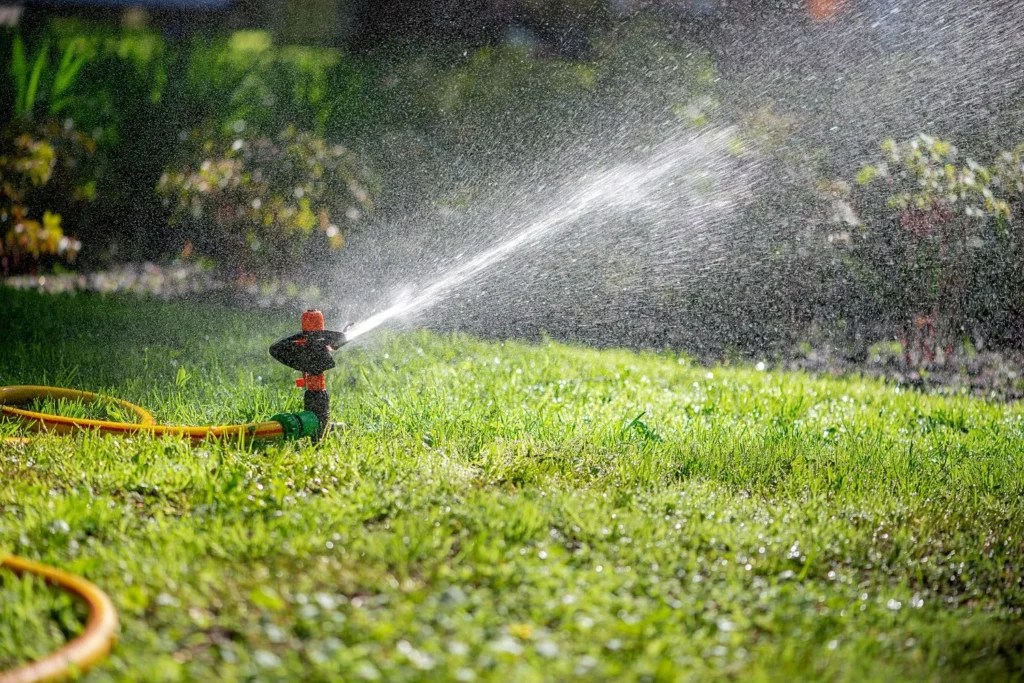
Sprinkler installation isn’t a one-size-fits-all project, especially in Cumming, where clay soils, steep summer heat, and varied terrain affect how systems must be designed. A properly installed system saves water, protects your landscape, and prevents costly mid-season repairs. A poorly planned system, however, leads to runoff, dry zones, and higher utility bills.
This guide breaks down the local factors that influence costs, the true pros and cons of DIY installation, and why professional setup often provides greater long-term value for Cumming homeowners.
Local Conditions That Shape Sprinkler System Design
How Cumming’s Climate and Soil Influence Installation
Cumming’s summers are hot and humid, and rainfall patterns swing between drought and sudden storms. These conditions push irrigation systems hard. Local clay and loam soils drain slowly, meaning systems must use the right heads, precipitation rates, and cycle-and-soak programming to avoid puddling.
Professionals design systems around:
- Slow infiltration rates of clay
- Variable summer evapotranspiration
- Shaded vs. sunny zones
- Water pressure fluctuations across neighborhoods
These factors significantly impact zone layout, head spacing, and scheduling.
Property Features That Drive System Choices
Beyond climate and soil, homeowners must consider:
- Yard size and shape
- Slopes and uneven terrain
- Trees, plant beds, and hardscaping
- Location of the water meter
- Drainage trouble spots
Accurate measurements and mapping lead to a more efficient installation and more predictable costs.
DIY Sprinkler Installation: Benefits and Drawbacks
Where DIY Can Make Sense
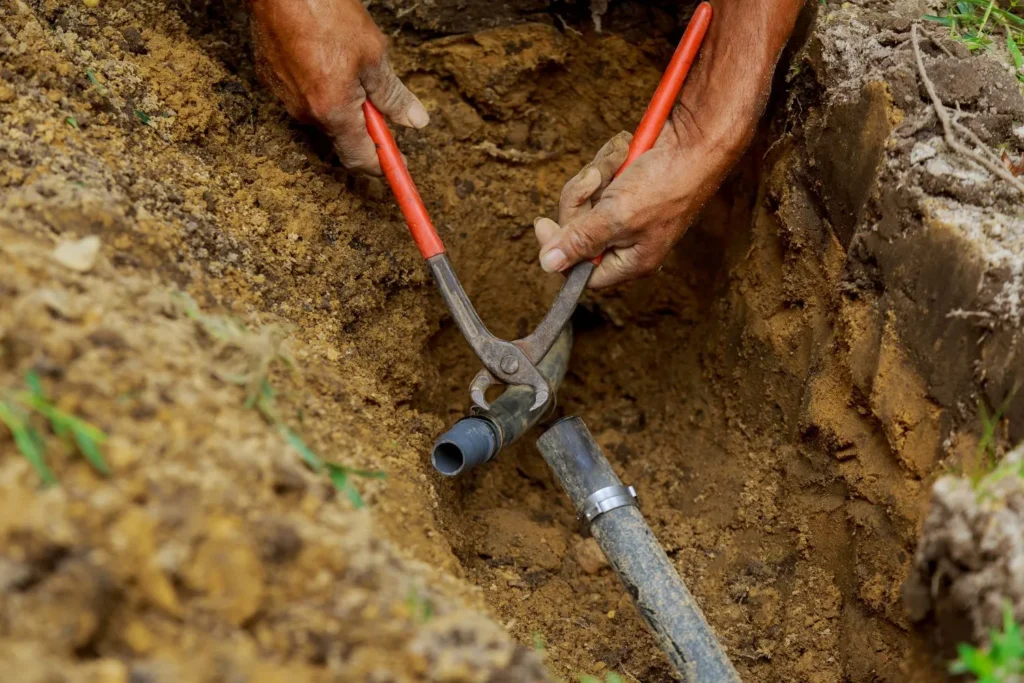
DIY installation appeals to homeowners who enjoy hands-on projects and want to save upfront labor costs. For very small, simple lawns, DIY can work, provided the homeowner understands zoning, head-to-head coverage, and trenching.
Benefits include:
- Lower initial material cost
- Full control over parts and schedule
- A satisfying project for experienced DIYers
Common DIY Mistakes and Hidden Costs
Most DIY issues stem from misjudged complexity rather than lack of effort. Typical obstacles include:
- Incorrect head spacing or nozzle selection
- Poor trenching depth leading to pipe damage
- Mistakes in matching water pressure and GPM
- Missed permits or skipped backflow requirements
- Coverage gaps that raise utility bills
Tool rentals like trenchers, saws, and crimpers can add hundreds to the project. And without a workmanship warranty, repairs fall entirely on the homeowner.
DIY is best when the yard is simple, the homeowner is experienced, and all utilities and permit requirements are understood upfront.
| Weed Pro Lawn Care: Local Lawn & Outdoor Pest Experts Reliable Service Backed by Results You Can See Choose the Right Lawn Care Solution for Your Property: –Complete Lawn Care Programs: Ongoing, customized lawn care plans designed to strengthen turf, improve soil health, and reduce weeds. –Targeted Weed & Pest Control: Focused solutions for persistent lawn weeds, invasive pests, and seasonal pressures such as mosquitoes and surface insects. –Irrigation & Lawn Health Support: Professional support for irrigation efficiency, aeration, overseeding, and soil conditioning to improve water absorption, reduce runoff, and help lawns recover from compaction, disease, or environmental damage. Customer Praise:“I highly recommend Weed Pro. Lawn care-for their exceptional weed care services. They were professional, thorough, and incredibly effective in removing weeds from my lawn. The team was punctual, knowledgeable, and went above and beyond to ensure my yard looked perfect. After just a few treatments, I noticed a significant improvement. Excellent customer service and great value for money. Five stars! Ask for Jay and your weed problems are over Great woe by local fellas.” – Nelson A. Why Homeowners Choose Weed Pro Lawn Care: -Locally owned and operated, serving North Georgia communities -Experienced technicians trained in region-specific lawn and pest challenges -Customized service plans based on property conditions, not one-size-fits-all programs -Environmentally responsible treatments with a focus on long-term lawn health -Clear communication, reliable scheduling, and service you can trust Schedule your Service Today! |
Why Professional Installation Is Often Worth the Investment
Local Expertise Leads to Better Performance
Professional installers evaluate:
- Soil infiltration
- Slope and runoff patterns
- Pressure and flow
- Sun exposure
- Plant type and root zone needs
The result? A system built for Cumming’s environment, not a generic layout.
Code Compliance, Safety, and Long-Term Efficiency
Professionals handle:
- Utility locates
- Backflow preventer installation
- Permit requirements
- Pressure regulation
- Controller programming
- Smart sensor integration
These steps prevent water waste, protect drinking water, and ensure your system meets local standards.
Warranties and Fewer Repairs
Most sprinkler professionals include:
- Workmanship guarantees
- Component warranties
- Optional maintenance packages
- Seasonal startup and winterization
Over 5–10 years, these benefits often outweigh the initial savings of DIY installation.
Comparing DIY vs Professional Installation Costs
Side-by-Side Overview
| Component | DIY Estimated Cost | Professional Included/Value |
| Pipes & fittings | $150–$400 | Included in quote; installation quality ensured |
| Sprinkler heads | $2–$25 each | Specified for zones; warranty on parts possible |
| Controller | $100–$400 | Programming and sensor integration included |
| Labor & permits | $0 upfront (DIY) | Labor and permit handling included in quote |
Understanding DIY Budgeting
DIYers typically purchase:
- PVC or polyethylene pipe
- Fittings and valves
- Sprinkler heads
- A controller
- Trencher or tool rentals
- Backflow device (often forgotten)
Unexpected problems like coverage gaps, leaks, and insufficient pressure can significantly raise costs.
Start Your Cumming Sprinkler Installation With a Trusted Local Professional
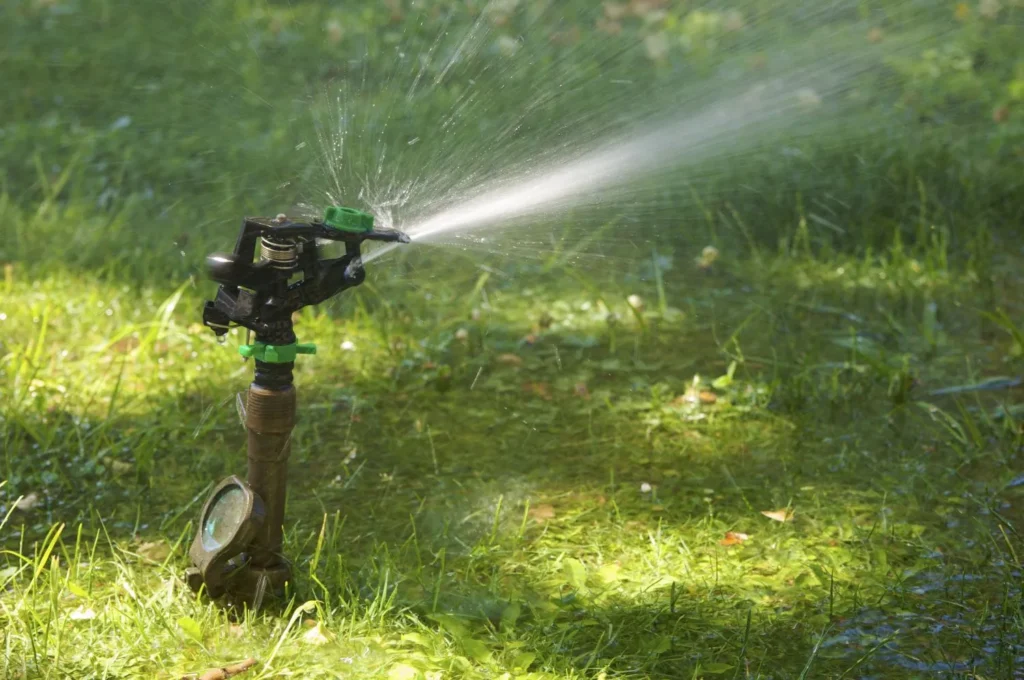
A sprinkler system is a long-term investment, and the difference between DIY and professional installation often comes down to reliability, efficiency, and peace of mind. Weed Pro Lawn Care provides Cumming homeowners with properly designed, code-compliant systems built for Georgia’s climate and soil. Our team handles assessment, layout, installation, and programming so your lawn receives the right amount of water without waste. If you’re comparing DIY costs to professional options or want a system that performs flawlessly season after season, contact us today to request a customized sprinkler installation quote for your Cumming property.
Frequently Asked Questions
How much does professional sprinkler installation typically cost in Cumming?
Costs vary based on yard size and zone complexity, but most Cumming homes fall within a moderate price range that includes design, labor, materials, and a warranty. Large or landscaped yards may require additional zones.
Is DIY installation realistic for the average homeowner?
DIY can work for very small, simple yards. However, most homeowners find trenching, zoning, pressure balancing, and head placement more complex than expected—making professional installation the more reliable choice.
Learn More: Why Seasonal Sprinkler Adjustments Matter
Continue with “Common Drip Irrigation Mistakes: Practical Troubleshooting and Maintenance Tips for Atlanta and North Georgia”.