Key Takeaways
- Most sprinkler problems in Cumming start with poor installation, planning, bad zoning, wrong heads, and shallow lines that will haunt you for years.
- Head-to-head coverage, correct spacing, and matching heads to each area are essential for even watering and lower water bills.
- Water pressure that’s too high or too low causes misting, dry spots, and premature equipment failure, but pressure regulators and proper zone design solve it.
- Using cheap pipe, fittings, or shallow trenches almost guarantees leaks, breaks, and recurring repair costs.
- A professional site assessment and layout tailored to North Georgia soils and slopes can prevent most of these mistakes before you ever dig a trench.
Sprinkler Mistakes You’ll See on the Lawn Later
A sprinkler system can look fine on installation day and still be set up to fail.
In Cumming, the wrong sprinkler installation layout or components usually show up as:
- Areas that are always dry, no matter how long you run the system
- Soggy spots and runoff on slopes
- Constant nozzle clogs or broken heads
- Higher water bills with disappointing results
These aren’t random “sprinkler issues”; they’re the downstream effect of planning, spacing, pressure, and material choices made at installation. Fix those, and the lawn and the water bill both improve.
Planning and Zoning: The Foundation of a Good System
Poor Layout and Mixed Zones Create Chronic Problems
The biggest mistake many homeowners make is treating the yard as one big, uniform space. In reality, your property has:
- Sunny and shady areas
- Flat spots and slopes
- Turf, beds, and hardscape
If those very different areas are shoved onto the same zone, you end up setting your controller for the thirstiest spot. Everything else gets too much water.
Good zoning groups:
- Similar sun exposure together
- Similar plant types together (lawn vs. shrubs)
- Similar slope and soil together
That way, one zone can run short, frequent cycles for a slope, while another can run deeper, less frequent cycles for level turf.
How Local Soil and Drainage Should Shape Your Design
Cumming yards sit on North Georgia soils that can range from clay-heavy to areas with better drainage. That matters:
- Clay holds water longer and needs lower precipitation rates and soak cycles
- Faster-draining soils need more frequent but controlled watering
Ignoring soil and drainage leads to:
- Runoff halfway through a cycle
- Standing water near the heads
- Roots staying shallow because water never moves deeper
A quick soil probe or professional soil check before you design the system helps you choose the right nozzle type, zone layout, and run times for each area.
| Weed Pro Lawn Care: Local Lawn & Outdoor Pest Experts Reliable Service Backed by Results You Can See Choose the Right Lawn Care Solution for Your Property: –Complete Lawn Care Programs: Ongoing, customized lawn care plans designed to strengthen turf, improve soil health, and reduce weeds. –Targeted Weed & Pest Control: Focused solutions for persistent lawn weeds, invasive pests, and seasonal pressures such as mosquitoes and surface insects. –Irrigation & Lawn Health Support: Professional support for irrigation efficiency, aeration, overseeding, and soil conditioning to improve water absorption, reduce runoff, and help lawns recover from compaction, disease, or environmental damage. Customer Praise:“Weed pro has been doing a great job keeping my lawn looking good. Our regular technician, Jayshawn , takes a lot of pride in his work . He makes his company look as good as my lawn” – Fred B. Why Homeowners Choose Weed Pro Lawn Care: -Locally owned and operated, serving North Georgia communities -Experienced technicians trained in region-specific lawn and pest challenges -Customized service plans based on property conditions, not one-size-fits-all programs -Environmentally responsible treatments with a focus on long-term lawn health -Clear communication, reliable scheduling, and service you can trust Schedule your Service Today! |
Sprinkler Heads and Coverage: Getting Placement Right
Head-to-Head Coverage and Proper Spacing
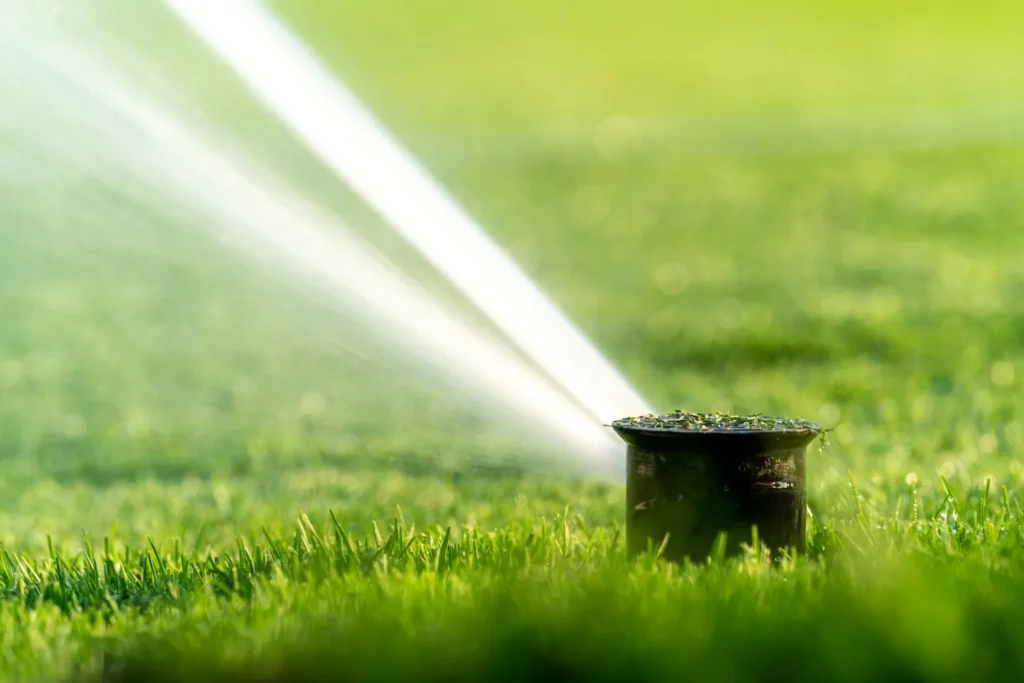
Even coverage starts with a simple rule: head-to-head coverage.
That means each sprinkler’s throw should reach the next sprinkler. When spacing matches the head’s designed radius, water overlaps evenly, preventing dry rings and hot spots.
General spacing guidelines:
- Spray heads: typically 6–12 feet apart
- Rotor heads: typically 20–50 feet apart, depending on the model
- Drip lines: emitters usually 12–18 inches apart in beds
Sticking to manufacturer specs and confirming coverage before you bury anything is critical.
Common Placement Errors That Cause Dry Spots and Runoff
Installation mistakes that cause headaches later include:
- Heads are placed too far apart, so water never fully overlaps
- Mixing rotors and spray heads on the same zone, which apply water at very different rates
- Heads are set too low, so grass or mulch blocks the spray
- Arcs aimed across sidewalks and driveways, wasting water and causing slick surfaces
Simple checks before you trench:
- Flag out where each head will go
- Run temporary tests with a garden hose or test-head to see where the water actually lands
- Adjust spacing and arcs on paper first, not after the trenches are dug
Water Pressure and Flow: Keeping Spray Patterns Under Control
Signs of High or Low Pressure in Your System
Water pressure is often ignored during DIY installation, but it’s one of the biggest performance drivers.
Common signs of pressure issues:
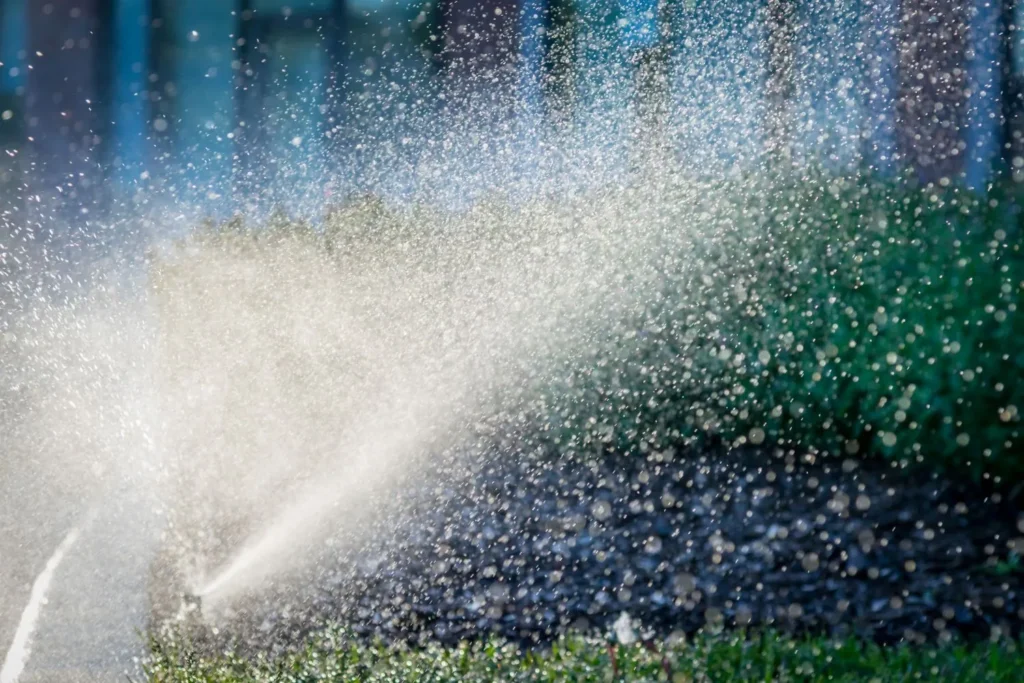
- High pressure: fine mist or fog blowing away in the breeze, overspray, “hissing” nozzles
- Low pressure: short, weak streams, heads that don’t fully pop up, obvious dry zones
- Pressure spikes: loud banging (water hammer), pulsing spray, stressed fittings
If you see any of these, the system wasn’t properly designed or regulated around the actual PSI and flow at your property.
How Regulators and Professional Calibration Protect Your Investment
A well-designed system factors in:
- Static and working water pressure
- Available gallons per minute (GPM)
- Head and nozzle requirements for each zone
Professionals use:
- Pressure regulators or pressure-regulated heads to keep nozzles in their ideal PSI range
- Balanced zone design so each zone isn’t trying to run too many heads at once
- On-site gauges and flow meters to verify real numbers, not guesses
That calibration:
- Prevents misting and wasted water
- Extends the life of valves, pipes, and heads
- Ensures each zone delivers the coverage it was designed to provide
Materials, Trenching Depth, and Long-Term Reliability
Why Cheap Pipe and Fittings Cost More Later
It’s tempting to save money on pipe and fittings, but low-quality materials usually mean:
- More hairline leaks that are hard to track down
- Joints that crack or pull apart under pressure cycles
- Frequent repairs and soft, wet spots in the lawn
Using properly rated PVC or polyethylene, quality fittings, and correct solvents or clamps gives you a system that holds up to years of use and ground movement.
Recommended Burial Depths for Cumming Yards
Improper burial depth is another common error. Shallow lines are easily damaged by:
- Mowers and aerators
- Foot traffic and vehicles
- Seasonal temperature changes
As a general rule:
- Laterals: usually buried 6–12 inches deep
- Mainlines or high-traffic runs: often set deeper or sleeved in conduit under driveways, walkways, or high-use areas
Good backfilling and compaction reduce shifting and help keep joints from stressing or separating over time.
When to Call a Professional Irrigation Specialist in Cumming
Some irrigation fixes are DIY-friendly, but when your yard has multiple slopes, mixed planting areas, recurring dry or soggy spots, or signs of pressure problems, bringing in a professional is often the smarter and more cost-effective move. Weed Pro Lawn Care provides complete irrigation assessments and sprinkler design services tailored specifically to Cumming and North Georgia landscapes. Our team evaluates soil conditions, slope, water pressure, and zone layout, then recommends the right heads, nozzles, regulators, and trenching depths to ensure even coverage and long-term reliability.
Contact us today to schedule an irrigation assessment with Weed Pro Lawn Care and get a customized plan that keeps your lawn healthy, efficient, and protected.
Frequently Asked Questions
Can you install your own sprinkler system in Cumming, or should you always hire a pro?
You can install a small, simple system yourself if you’re comfortable measuring pressure, planning zones, and following manufacturer specs. But for sloped yards, mixed planting areas, or larger properties, a professional design usually pays for itself in fewer mistakes, better coverage, and lower water bills over time.
How do you know if your sprinkler heads are spaced correctly?
Look for head-to-head coverage; each head’s spray should reach the next head. If you see dry rings around heads or obvious gaps between spray patterns, the spacing is off. Run each zone and watch how far the water actually throws. Don’t rely only on the box label.
Is misting from your sprinklers really a big deal?
Yes. That fine mist you see on a breezy day is water blown away rather than reaching the soil. Misting is almost always a sign of excessive water pressure. Installing a pressure regulator or using pressure-regulated heads can dramatically cut waste and improve coverage.
Next Up: How to Keep Weeds Out of Your Lawn in Georgia
Read “How to Keep Weeds Out of Your Lawn in Georgia: Practical Prevention and Control That Works“