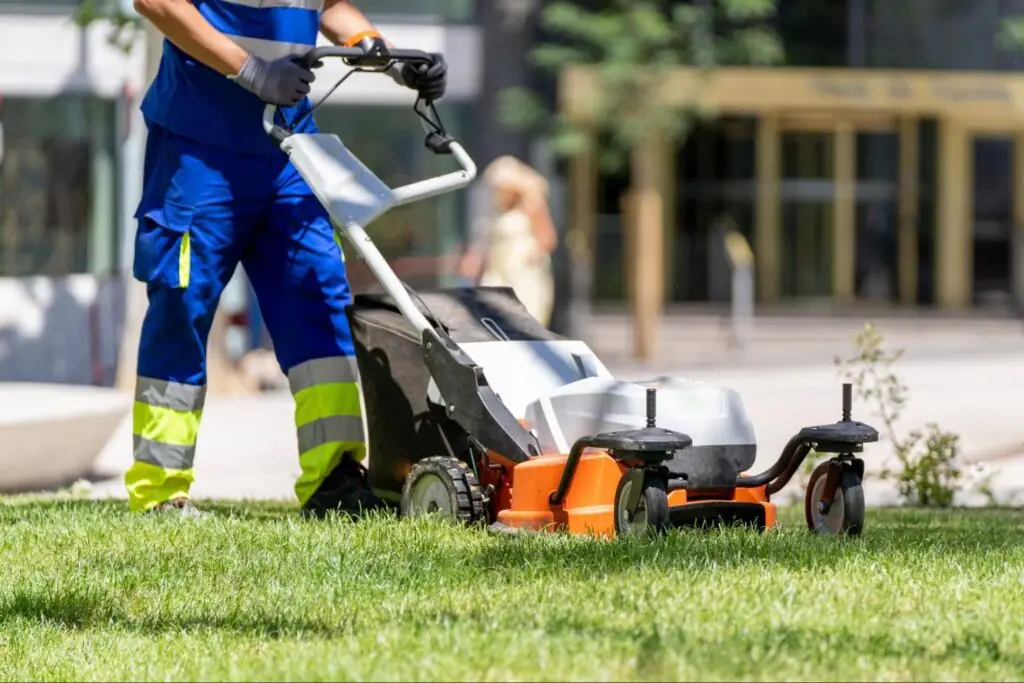
A clean-cut lawn is more than aesthetics; it is the driving force behind healthy turf and roots and natural resistance to weeds if you adopt sound mowing practices. This article will illustrate how to choose proper cutting heights, time your mowing for optimal grass health, keep blades sharp, mulch clippings for better soils, and time mowing under ideal environmental conditions. By using proven, successful practices, you will develop a thick, healthy lawn and know when to hire WeedPro’s professional expertise to obtain a free estimate or advice.
What’s the Sweet Spot for Lawn Mowing Height to Boost Grass Health?
Mowing height is an ideal compromise between the grass blades’ ability to capture solar energy and the depth of rooting to withstand drought. Correct mowing height promotes moisture retention in your lawn, reduces weed seed germination, and encourages lateral growth for a thicker turf.
What’s the One-Third Rule and Why is it Crucial?
The one-third rule is the guideline that you should never mow off more than one-third of the grass blades at any time. This protects chlorophyll production and avoids shock to the grass. For example, if the height is 4 1/2 inches, do not mow off more than 1 1/2 inches, leaving it at 3 1/2 inches up for good root development. Any disregard for the one-third rule will put your turf under stress, making it more susceptible to turf diseases, and take longer to recover.
The one-third rule will help you identify the mowing height that is just right for your grass.
How Should You Adjust Mowing Height Throughout the Seasons?
Changing your mowing height based on the changing season helps prepare your grass for the heat or cool and humidity or dryness:
- Spring – Raise the mowing deck, which enhances leaf surface area and stimulates quick growth.
- Summer – Set the blades to the highest mowing height, which shades the soil, preventing heat-related stress.
- Fall – Begin to lower the mowing height, which discourages fungal growth and prepares the lawn for dormancy.
If you adapt to the changing natural seasonal cycles, you can maintain the lawn all year, keeping it looking its best.
How Often Should You Mow for Peak Lawn Performance?
Your mowing frequency should depend on the grass’s growth pattern and the current weather conditions. Adjusting the mowing frequency helps you remove a sufficient amount of grass while allowing sufficient time to avoid added stress on the turf, reduces the risk of thatch build-up, and achieves a good uniform look to your lawn.
How Does Grass Growth Rate Impact Mowing Frequency?
During the spring, when turf is growing rapidly, mowing the grass every 5-7 days may be necessary. During hot, dry summer conditions or cooler fall conditions with slower growth patterns, mow every 10 to 14 days. The slower the frequency, the more time there is to recover and develop a sound root system between mowings.
What Are the Dangers of Mowing Too Much or Not Enough?
- Mowing too much will weaken your grass by mowing too frequently, which can lead to scalping and shallow root systems.
- Rare mowing can create large clumps of grass clippings, which can choke the grass, retain moisture, and encourage insects.
Regular mowing helps to keep grass blades in their right zone, promoting the grass’s health and growth.
Why Are Sharp Mower Blades Essential for a Healthy Lawn?
When a mower is sharp, it will make clean cuts, which help the grass heal quickly by sealing off disease entry points and allowing the grass to synthesize energy efficiently.
How Do Sharp Blades Ensure Clean Cuts and Ward Off Disease?
Clean cuts slice grass cells smoothly, reducing evaporation and reducing the likelihood of fungal spores entering. Dull blades tear into grass, cutting and making ragged edges, which stress the plant and allow for easy entry for many external fungi.
What Are the Best Ways to Maintain and Sharpen Mower Blades?
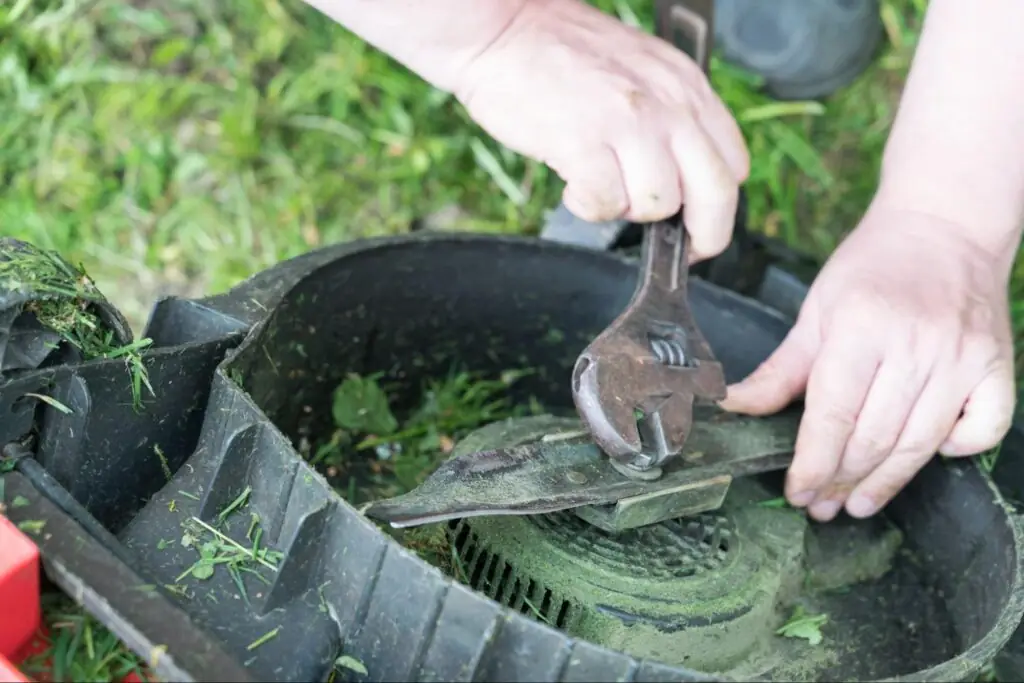
To maintain sharp mower blades, always follow these procedures:
- Test your blades for nicks and dull spots after every 10 hours of usage
- Get blades balanced and sharp, each spring/fall or at least two times a season, either by yourself or by a professional
- Clean blades after each use for rust and build-up
Consistent maintenance of blades ensures healthy cuts, promoting good turf growth.
What Are the Advantages of Mulching Grass Clippings?
The mulch helps return nutrients to the soil, reduces reliance on fertilizers, and helps retain moisture, turning grass clippings into a natural soil amendment that provides essential nutrients to your grass roots.
How Do Grass Clippings Improve Soil and Cut Down on Fertilizer Use?
Grass clippings contain nitrogen and typically contain 3–4 percent nitrogen by weight. Left to decompose, clippings create nutrients that will be provided back to the soil. Grass-cycling is a practice designed to establish a natural nutrient cycle, and can reduce your reliance on synthetic fertilizers by 30% or more.
What Are the Optimal Times and Conditions for Mowing Your Lawn?
Mowing your lawn when the grass is dry and during a cooler time of day will reduce stress on your lawn and ensure a cleaner cut, with blades that are less likely to tear the grass blades.
Why is it Best to Avoid Mowing Wet Grass?
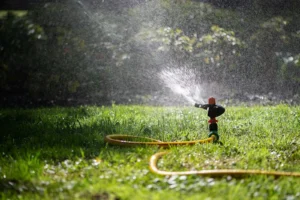
Wet grass or grass that has received excessive rain or irrigation may build up, causing the use of wheels, and the gas mower engine may compact the soil. Wet grass will grow fungal structures in clippings that are left to the edge of the turf.
What Are the Best Times of Day to Mow to Reduce Grass Stress?
Try to mow mid-morning during daylight, between 8:00 and 10:00 am, when the dew has dried but the temperature is not blazing hot during the afternoon. Grass blades will be healed during the daytime and recover in the evening, allowing for continuous photosynthesis.
Be mindful of moisture patterns and temperature changes daily – these are the key ingredients for a resilient and vibrant lawn.
Turn Mowing from Mundane into Magic

Mowing is more than maintenance to establish a richness in lawn thickness. Weed Pro will share the optimal blade angle, the type of mower, and the frequency of mowing to maintain a healthy, lush turf all season long. Ready to step up your lawn mowing game?
FAQ
Should you mulch or bag after mowing?
Mulching returns nutrients to your lawn and helps retain soil moisture, but bagging is better for thatch-prone lawns. Choose based on your lawn’s current density and needs.
Do reel mowers work better than rotary?
Reel mowers give cleaner cuts, especially for fine-textured grasses like zoysia. But a sharp rotary mower still does a great job on coarser turf—just sharpen often.
How often should you change your mowing pattern?
Change it every time you mow to prevent compaction and develop upright growth. It also keeps your bed straight and avoids ruts.
Up Next:
Grass selection matters. Don’t miss “Perennial Ryegrass vs. Tall Fescue: Which Is Best for Your Atlanta Lawn?“