Key Takeaways
- Overseeding adds new grass seed into your existing lawn to thicken thin areas, fill small bare spots, and improve overall color and resilience.
- In Mableton’s clay-heavy, North Georgia climate, overseeding works best when it’s paired with core aeration to break up compaction and improve seed-to-soil contact.
- Tall fescue lawns should be overseeded in late summer through early fall, while warm-season lawns (like Bermuda) are usually thickened during late spring–early summer or simply overseeded with rye for temporary winter color.
- The right seed blend, consistent moisture, and good prep work make the difference between a short-lived green-up and lasting density.
- Professional overseeding services bring local expertise, commercial aeration equipment, and well-timed scheduling, often delivering better, faster results than DIY attempts.
Why Overseeding Matters for Mableton Lawns
Mableton lawns take a beating from hot, humid summers, clay-based soils, and a mix of shade and full-sun areas, all of which put pressure on your grass. Over time, even a well-cared-for yard can start to look thin, patchy, or tired. Overseeding is one of the most effective ways to revive that tired lawn without ripping everything out and starting from scratch.
Instead of replacing your entire yard, overseeding simply adds new, high-quality grass seed to your existing turf. When it’s done at the right time and combined with aeration, you get a thicker, greener lawn that handles heat, foot traffic, and weeds much better.
Core Benefits of Overseeding in North Georgia
Thicker Turf and Natural Weed Suppression
The biggest benefit of overseeding is increased density. New seedlings fill in the gaps between older plants, closing off the open soil where weeds love to germinate. As turf thickens, it:
- Blocks sunlight from reaching weed seeds
- Competes more aggressively for water and nutrients
- Helps your lawn look more uniform and lush
The result is a yard that looks better and needs fewer weed treatments over time.
Better Drought and Disease Resilience
A well-overseeded lawn doesn’t just look good, it behaves better under stress. Denser turf means:
- More root mass underground to access moisture
- Slightly shaded soil, which slows evaporation
- Faster drying after rain or irrigation, reducing disease-friendly “soggy” conditions
When you introduce modern, disease-resistant grass varieties through overseeding, your lawn is better equipped to bounce back after heat, humidity, or a tough summer.
Best Time to Overseed Your Lawn in Mableton
Timing is one of the most essential pieces of overseeding success. Plant at the wrong time and you can waste seed, water, and effort.
Timing for Tall Fescue Lawns
Tall fescue is the go-to cool-season grass for many shaded or transitional yards in Mableton. Its ideal overseeding window is: Late August through October
During this period, the soil is still warm from summer, but nights are cooler and stress is lower. Seed germinates quickly, and new plants have fall and early spring to establish before the next round of summer heat.
Timing for Warm-Season Lawns (Bermuda and Others)
Warm-season lawns behave differently. Here’s how overseeding usually looks for them:
- Late spring to early summer: Best for repairing thin Bermuda areas during active growth.
- Late fall: Some homeowners overseed Bermuda with ryegrass strictly for temporary winter color (rye dies back as Bermuda greens up in spring).
Overseeding with rye doesn’t fix underlying thinness, but it does keep the yard green through dormancy.
| Weed Pro Lawn Care: Local Lawn & Outdoor Pest Experts Reliable Service Backed by Results You Can See Choose the Right Lawn Care Solution for Your Property: –Complete Lawn Care Programs: Ongoing, customized lawn care plans designed to strengthen turf, improve soil health, and reduce weeds. –Targeted Weed & Pest Control: Focused solutions for persistent lawn weeds, invasive pests, and seasonal pressures such as mosquitoes and surface insects. –Irrigation & Lawn Health Support: Professional support for irrigation efficiency, aeration, overseeding, and soil conditioning to improve water absorption, reduce runoff, and help lawns recover from compaction, disease, or environmental damage. Customer Praise:“Good people. Have been using them for years. They are great at communication and weeds are not an issue at my house” – Daniel S. Why Homeowners Choose Weed Pro Lawn Care: -Locally owned and operated, serving North Georgia communities -Experienced technicians trained in region-specific lawn and pest challenges -Customized service plans based on property conditions, not one-size-fits-all programs -Environmentally responsible treatments with a focus on long-term lawn health -Clear communication, reliable scheduling, and service you can trust Schedule your Service Today! |
When to Avoid Overseeding
Skip or delay overseeding when:
- Temperatures are at peak summer highs, and drought is likely
- Extended heavy rains are in the forecast (risk of seed washout)
- You’ve recently applied certain pre-emergent herbicides that can prevent seeds from sprouting
Planning around weather and soil temperature is just as important as choosing the right seed.
Step-by-Step Overseeding Process for Mableton Yards
Step 1: Assess Your Lawn
Before you spread a single seed, take a quick inventory:
- Where is the turf thinnest?
- Is the soil hard and compacted?
- Do you see mostly weeds or mostly grass?
If more than roughly a third of the yard is bare or severely damaged, you may be closer to needing a partial renovation than to simple overseeding.
Step 2: Aerate and Prep the Soil
For Mableton’s clay-leaning soils, core aeration is almost non-negotiable:
- A core aerator pulls small plugs of soil out of the ground
- This opens channels for air, water, and roots
- It also creates perfect little pockets for the seed to fall into
After aeration, you can lightly rake or drag the surface to break up plugs and help them settle back in.
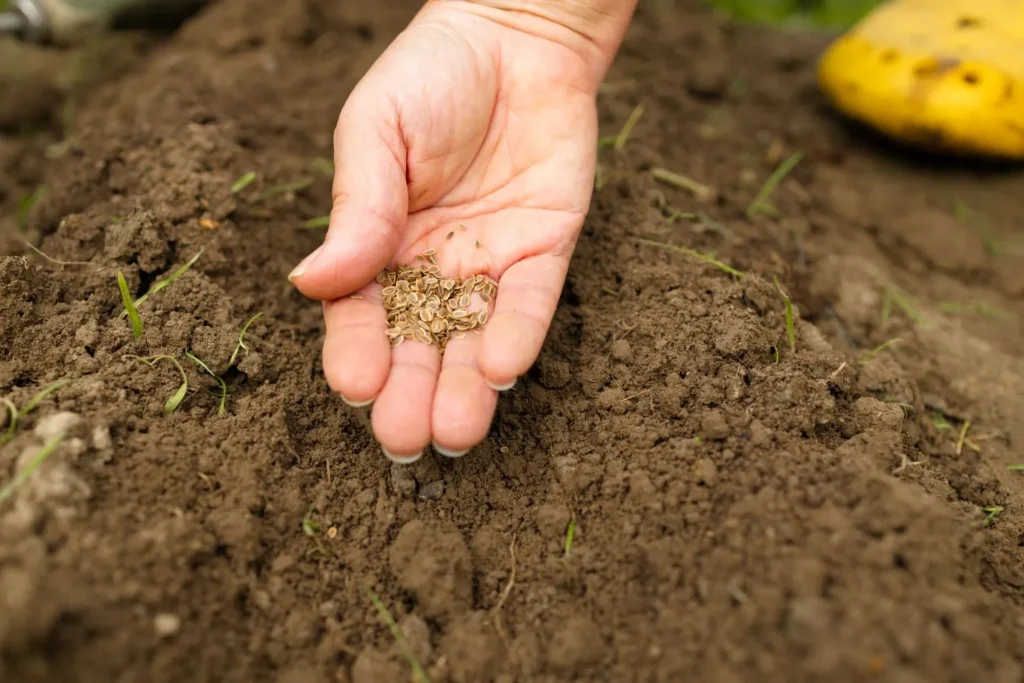
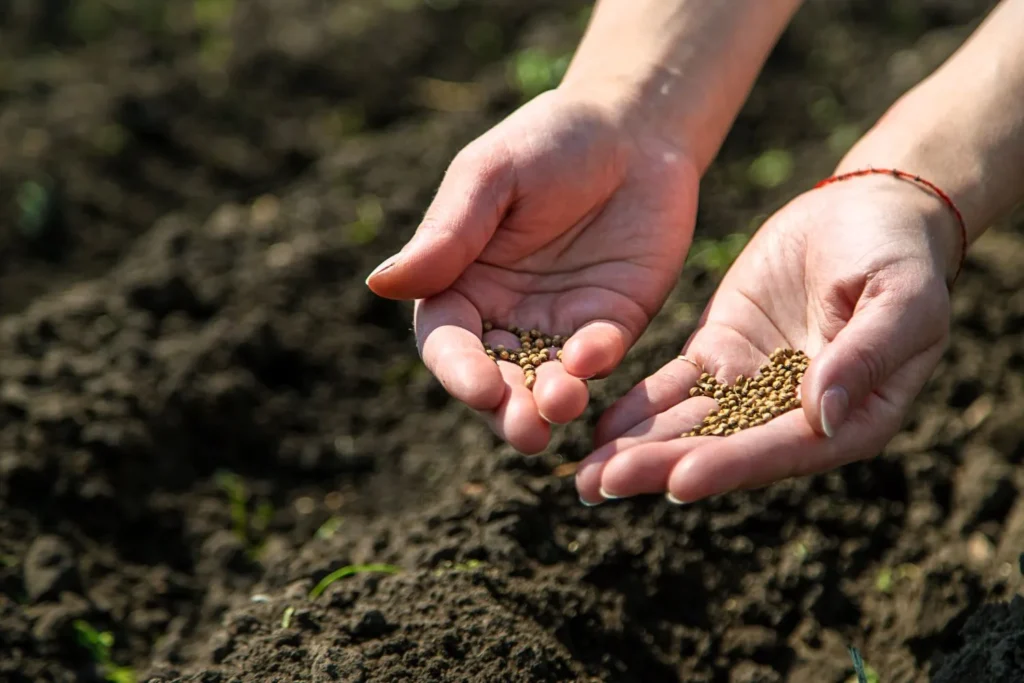
Step 3: Spread the Seed Evenly
Once the soil is open:
- Use a calibrated broadcast or drop spreader
- Apply the recommended seeding rate for your grass type
- Make two passes in crisscross directions for more even coverage
Avoid going “extra heavy” with seed. Too many seeds can actually lead to weak, overcrowded plants that don’t establish long-term.
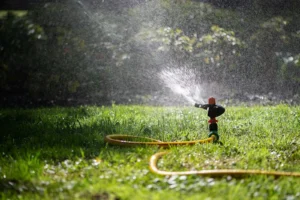
Step 4: Water and Care for Seedlings
Post-seeding care is where many DIY efforts fall apart. For the first couple of weeks:
- Keep the top layer of soil consistently moist (light, frequent watering)
- Avoid puddling or runoff; gentle cycles are best
- Once seedlings are 3–4 inches tall, gradually shift to deeper, less frequent watering
Resume mowing carefully once the new grass reaches mowing height, and avoid cutting more than one-third of the blade at a time.
Choosing the Right Grass Seed for Mableton
Grass Types That Perform Well Locally
For most Mableton homes, overseeding focuses on:
- Tall Fescue: For shady or mixed-sun lawns, especially those that struggle in full sun.
- Bermuda-compatible blends: When you’re thickening or patching warm-season lawns in sunny areas.
Matching the seed to how much sun, shade, and traffic your yard gets will go a long way toward lasting results.
Why Seed Quality Matters
Cheap seed blends often contain:
- Lower germination rates
- Filler or undesirable species
- Little to no disease resistance
High-quality, certified seed gives you:
- Better germination
- Stronger, more uniform color
- Improved resistance to common Georgia lawn diseases
You’ll spread the same amount of seed, but get a much better lawn out of it.
Professional Overseeding vs. DIY in Mableton
Overseeding is technically a DIY-friendly project, but many homeowners run into the same roadblocks: limited access to powerful aeration equipment, poor timing, and inconsistent watering.
Professional overseeding services typically offer:
- Commercial-grade core aeration that genuinely relieves compaction
- Local knowledge about the best timing for North Georgia weather
- Seed blends chosen specifically for Mableton soils and conditions
- Calibrated spreaders and structured post-seeding instructions
For busy homeowners, that usually means better germination, fewer bare spots, and less guesswork.
Give Your Mableton Lawn a Fresh Start with Weed Pro
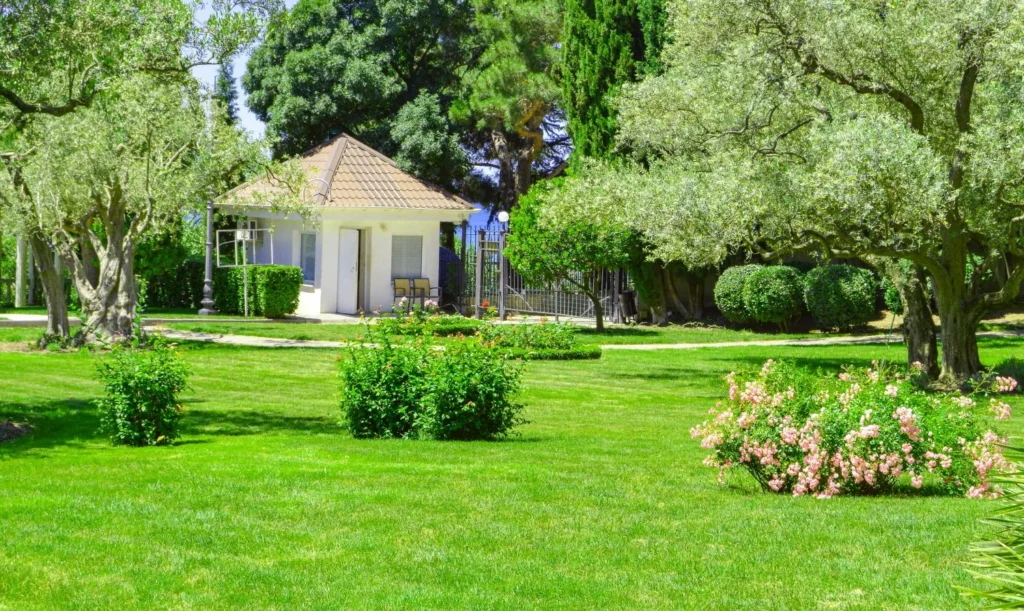
If your Mableton lawn is looking thin, tired, or patchy, overseeding done right can completely transform its appearance and performance, especially when paired with proper aeration and the right seed. Weed Pro Lawn Care combines local North Georgia expertise with professional equipment and a proven three-step approach (assessment, tailored plan, treatment) to deliver overseeding results that last, not just a quick green-up. Contact us today to request a quote or schedule an overseeding assessment for your Mableton lawn, and let our team handle the timing, prep, and follow-through so you can simply enjoy a thicker, healthier yard.
Frequently Asked Questions
How often should you overseed your Mableton lawn?
Most lawns benefit from overseeding about once a year, especially tall fescue yards that thin out in summer. For warm-season lawns, you may not need full overseeding every year, but periodic repairs after heavy wear or damage are a good idea.
Do you really need to aerate before overseeding?
In Mableton’s compacted, clay-heavy soils, aeration is one of the most significant factors in whether overseeding works. Without those pockets and loosened soil, much of the seed never makes solid contact with the ground and struggles to germinate.
How long will it take to see results after overseeding?
You’ll typically see germination within 7–21 days for cool-season grasses, depending on the weather. Visible thickening continues for several weeks, and the lawn usually looks noticeably fuller within 1 to 2 months after overseeding during the right window.
Up Next: Discover the Soil Factors That Shape Lawn Health
Healthy grass starts underground. Read “What Makes Soil Healthy for Your Lawn? Key Factors for a Thriving Lawn Soil“ to see how pH, nutrients, and soil structure directly affect turf growth.