
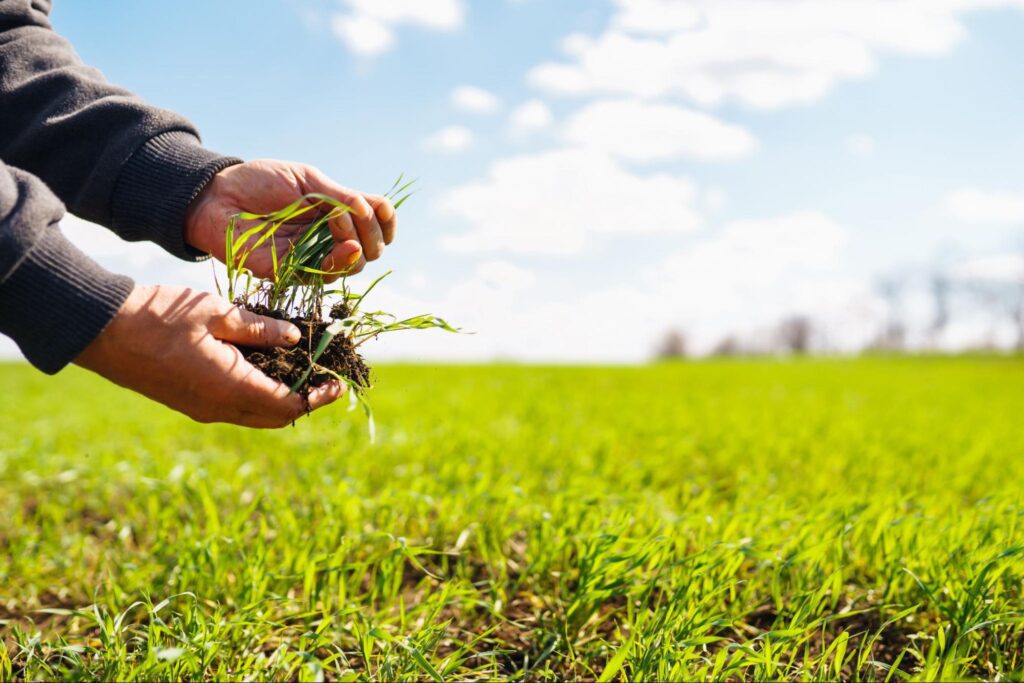
Bringing new life to a Dunwoody lawn starts with learning about applied strategies in lawn overseeding that Dunwoody homeowners and professionals rely on for a healthy, thick lawn year-round. Sharing Dunwoody expertise, this guide will discuss the importance of overseeding, how Dunwoody’s climate and aeration affect seed establishment, recommended preparation and application strategies, optimal seasons for seed application, cost-effective options, and the benefits of hiring a professional lawn company. This guide will give you helpful information regarding soil testing, aeration, selecting grass seed varieties between fescue, Bermuda, zoysia, and ryegrass, evenly distributing seed rates, maintenance for new seedlings, proper upcoming fall and summer timing for success, pricing your lawn service, and understanding of trained technicians executing your lawn care service.
Why Is Overseeding Essential for a Healthy Dunwoody Lawn?
Overseeding is the act of planting new grass seed directly into an existing lawn to increase turf density, support healing bare areas, and improve natural resistance against turf diseases. Beginning to overseed your lawn allows Dunwoody to benefit from new grass seed varieties specifically bred to thrive in the red-clay soils, heat, and humidity experienced in Dunwoody, Georgia, summers. For example, overseeding your lawn with a fescue seed mix in early fall can increase density in a lawn recovering from heat stress, while regenerating the root mass of the turf for improved soil health and ensuring a denser lawn.
What Are the Benefits of Overseeding for Dunwoody Lawns?
Now that we have considered climate issues, consider these top benefits of overseeding:
- Improved Turf Density – Denser grass helps shade out weeds, resulting in fewer bare areas.
- Improved Tolerance of Stress – More roots, more drought tolerance, and recovery.
- Natural Disease Resistance – A mixture of grass seed varieties ensures a lower likelihood of any algal or fungal spreading.
These advantages pave the way for understanding the effects of Dunwoody’s climate on overseeding success.
How Does Dunwoody’s Climate Affect Lawn Overseeding?
Dunwoody experiences hot and humid summers and mild winters, which results in a narrow timeframe in the fall for cool-season grass germination. In early fall, soil temperatures need to be above 55°F for fescue and ryegrass seeds to germinate. In late spring, warm-season grasses will emerge once soil temperatures rise above 65°F. Therefore, we must find the best balance between the climate and germination space so that the seeds can germinate before the temperature overwhelms the new seedlings.
Why Is Aeration Important Before Overseeding?
Aerating the lawn before overseeding replaces compacted soil with plugs, providing better access to oxygen, water, and nutrients for the roots. Aeration also loosens the dense clay soil found in Dunwoody, allowing seeds better access to the soil and raising the germination rate by up to 30 percent.
Aerating also releases thatch, which inhibits the new seed’s roots from establishing ground contact, as the seed may rest on a barrier of dead organic matter.
What Are the Best Lawn Overseeding Techniques for Dunwoody?
Each overseeding program’s methods (preparation, seed, application, and care) must align with the local soil and climate to create a successful turf.
How to Prepare Your Dunwoody Lawn for Overseeding?
Firstly, pH and nutrient analysis soil tests should be conducted so you can determine if lime or fertilizer are needed. Second, mow the grass to a height of about 1.5-2 inches, and remove debris. Third, lightly rake the lawn to expose the soil, and top-dress low spots with a thin layer of quality compost. Proper ground preparation creates an even seedbed that helps with germination and root growth.
Which Grass Seeds Are Best for Dunwoody Lawns?
Different turfgrass types suit Dunwoody’s transitional climate. The table below compares key characteristics:
| Grass Type | Optimal Season | Ideal Use Case |
|---|---|---|
| Tall Fescue | Cool-season (Fall) | Shade tolerance, year-round green |
| Bermuda Grass | Warm-season (Late Spring) | High wear, sun-exposed areas |
| Zoysia Grass | Warm-season (Early Summer) | Drought tolerance, fine texture |
| Perennial Ryegrass | Cool-season (Fall) | Quick germination, overseeding mix |
Choosing the right blend maximizes coverage and seasonal performance, guiding the seed application process.
How to Apply Overseeding for Optimal Grass Growth?
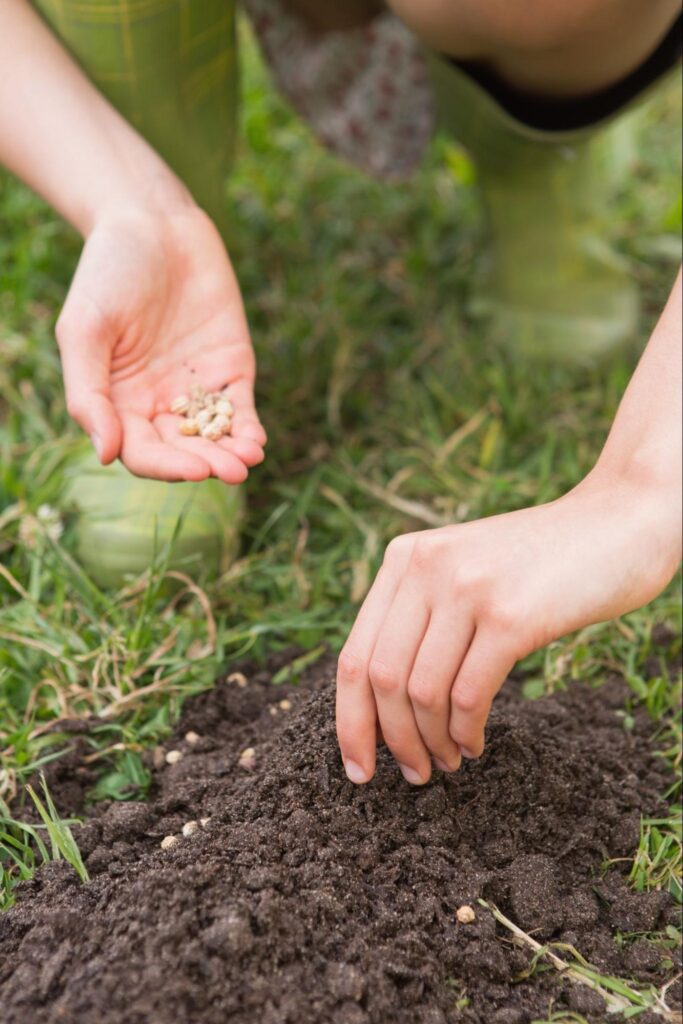
- Seed the area at the suggested rate (for each kind of grass).
- Seed using a drop or broadcast spreader for uniformity in coverage.
- Lightly rake the seed into the top ¼ inch of soil.
- Roll the lawn to push the seed into constant contact with the soil surface.
Following these steps will provide consistent seed-to-soil contact for desirable growth.
What Post-Overseeding Care Is Needed in Dunwoody?
New grass seed will need consistent moisture and nutrients.
- Lightly water the new grass seed twice a day for the first two weeks to maintain soil moisture.
- Once seedlings have reached approximately 1 inch in height, apply a starter fertilizer high in phosphorus.
- Once the turf has reached three inches in height, you may mow it, but do not remove more than one-third of the blade height.
Consistent care will maintain soil moisture and facilitate root establishment before transitioning to a regular maintenance program.
Why Is Fall Overseeding Ideal for Cool-Season Grasses Like Fescue?
Overseeding from the end of September through the first of October takes advantage of warm soil temperatures (60-70°F) and cooler nights, which will speed up fescue germination. This window provides new seedlings with the opportunity to establish strong roots in preparation for winter dormancy. The thick, lush turf will increase the chances of the new seedlings surviving the winter and greening up in the spring.
How Does Overseeding Timing Differ for Warm-Season Grasses?
Warm-season grasses, such as Bermuda and zoysia, should be seeded in late spring or early summer after the soil temperature has consistently been above 65°F. This is the time of the growing season when warm-season species are actively growing, and allows for fast establishment before fall dormancy.
What Factors Influence Overseeding Prices in Dunwoody?
There are four factors to consider, which include;
- Lawn size and shape;
- Which seed or seed blend do you select?
- Type of aeration and machinery used;
- Soil amendments (lime, compost, fertilizer)
All four of these factors will contribute to determining the total price per square foot.
Is Professional Overseeding More Cost-Effective Than DIY?
Generally, professional overseeding is more suited for a quality outcome because the contractor will be calibrated to a specific seed rate, the machinery used is commercial-grade, and they will conduct their own analysis of the soil. The cost from a contractor may be less than that of a landscaper; however, DIY-ing may save you money initially. The catch is that a professional is more likely to provide a greater initial germination rate and long-term health of your turf, as well as reduce the frequency of returning for treatment associated with pests, weeds, and turf quality issues.
How Does Local Expertise Improve Overseeding Results?
Dunwoody technicians are familiar with the soil composition and microclimates of the area, although this expertise is not particularly effective in all areas. When it comes to species, timing, aeration, and planning for lawn maintenance, this will increase the precision of your lawn.
What Comprehensive Lawn Care Services Complement Overseeding?
For a comprehensive plan to lawn care to augment overseeding, we also provide;
- Coring aeration to relieve compaction
- Fertilization programs to utilize balanced nutrients
- Targeted weed control to suppress seedlings,
Using outdoor services is to better the quality of your lawn.
Strengthen Your Lawn with Overseeding
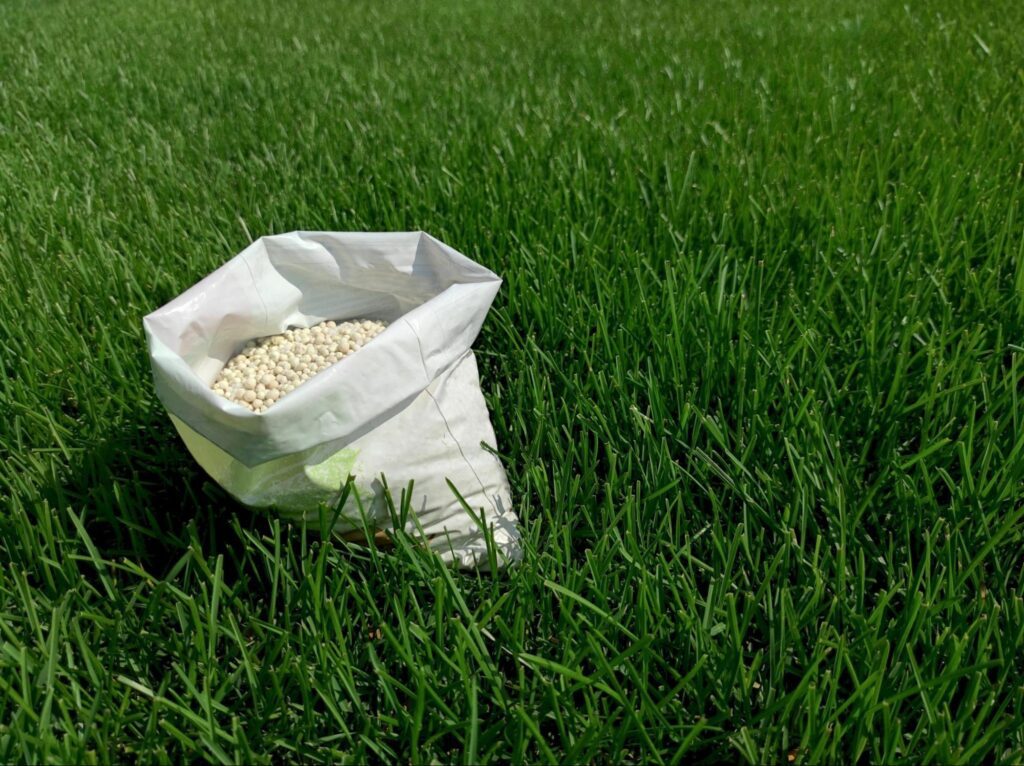
Overseeding is one of the most effective methods for revitalizing tired grasses or filling in thin patches. Dunwoody’s annual overseeds, correctly timed, will improve the density and color of one’s turf. When carefully paired with guidelines for watering and fertilizing, it can help improve turf performance in resisting pests, weed treatments, and turf stress. Therefore, overseeding is not merely a matter of cosmetic value; it can lay the groundwork for a stronger lawn.
With the tips from your professionals and the specifications of your lawn according to the local area, you will now get better results in terms of lawn repair.
Contact WeedPro for lawn overseeding that enhances turf density and improves the overall health of your lawn.
FAQs
When is the best time to overseed a lawn in Dunwoody?
Fall is ideal because cooler temperatures and consistent rainfall support seed germination. Overseeding in autumn also gives new grass time to establish before summer stress.
Can overseeding repair bare spots in a lawn?
Yes, overseeding is one of the best methods for filling in thin or bare patches. It helps restore turf density, creating a healthier and more attractive lawn.
Should fertilizer be applied after overseeding?
A starter fertilizer is recommended because it provides essential nutrients for seed germination. This step helps new grass develop strong roots quickly and evenly.
Discover What Overseeding Can Fix
Overseeding isn’t just about growth—it solves common problems. Continue with our article: “Top Lawn Problems Overseeding in Dunwoody Can Fix: A Comprehensive Guide to Healthier Lawns.“