Ah, Alpharetta flower beds—nothing adds polish to a front yard or backyard oasis quite like a tidy row of blooms. But as every Georgia gardener knows, the real battle isn’t just with the heat or the occasional storm… it’s with the weeds. Those persistent little invaders that love to show up uninvited and take over your landscape.
Enter your garden’s secret weapon: mulch.
At Weed Pro, we’ve spent years helping homeowners across Alpharetta transform their flower beds from weedy messes to vibrant, well-tamed beauties. And if there’s one tool that consistently saves the day? It’s mulch for weed control—simple, effective, and surprisingly stylish when used right.
So, let’s dig into how mulch can keep those unwanted sprouts in check, protect your plant roots, and make your flower bed upkeep way less of a hassle.
Why Mulch Is a Flower Bed’s Best Friend
Before we talk types and techniques, let’s break down why mulch works wonders in weed prevention:
- Blocks Sunlight: Most weeds need light to sprout. Mulch smoothes the soil surface and acts as a natural weed barrier.
- Retains Moisture: By reducing evaporation, mulch keeps your root zone moisture stable (which your flowers will love).
- Insulates Soil: In Alpharetta’s fluctuating temps, soil insulation helps protect roots from extreme heat and cold.
- Boosts Curb Appeal: Yep—decorative mulch in bark or pine straw looks sharp and ties your whole landscape together.
- Feeds the Soil (if organic): As natural mulches decompose, they contribute nutrients and boost garden health.
Pretty great for something you can grab by the bag at the garden center, right?
How to Use Mulch to Prevent Weeds the Right Way
Now that you’ve picked your landscaping mulch of choice, it’s time to apply it correctly. Spoiler alert: Tossing it down and hoping for the best isn’t the way to go.
Step 1: Clear and Prep Your Beds
Remove existing weeds, old mulch, or debris. You don’t want to trap any troublemakers underneath your new layer.
Step 2: Lay Down a Weed Barrier (Optional)
Landscape fabric or newspaper can add extra protection, especially under bark mulch or rubber mulch. Just don’t use plastic; it restricts water flow.
Step 3: Get the Thickness Right
For true weed blocking, aim for:
- 2–3 inches for pine straw
- 2–4 inches for bark or shredded wood
- 1–2 inches for finer mulches like compost
Too thin? Weeds push through. Too thick? Your plants can suffocate.
Step 4: Don’t Touch the Stems
Keep mulch a few inches away from plant stems or tree trunks. This prevents rot and improves air circulation—better for flowers and shrubs alike.
Step 5: Refresh Annually
Mulch application timing matters. Refresh in spring to prep for summer weeds, or again in fall to protect roots through winter. In Alpharetta, twice a year is often just right.
Extra Mulch Tips for Alpharetta Flower Beds
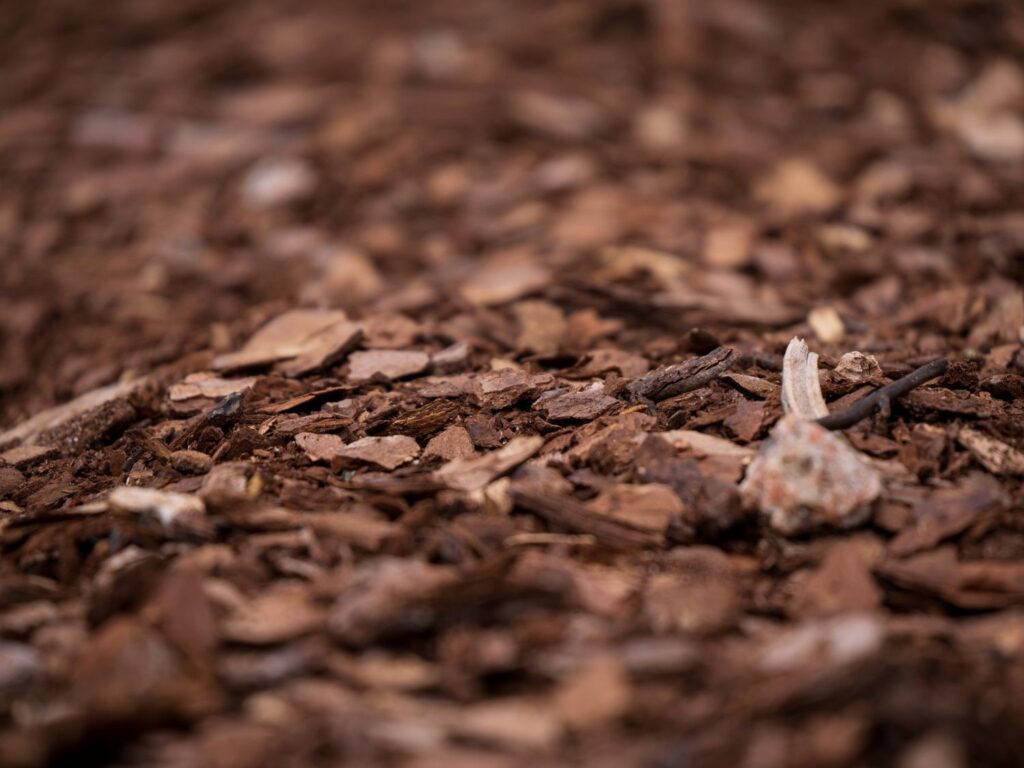
- Use decorative mulch that matches your home’s style—red mulch pops against green lawns, while dark bark adds drama to bright flower beds.
- In shady areas, opt for pine straw mulch—it lets water pass through easily and reduces fungal risk.
- For pollinator-friendly beds, skip the fabric barrier and let natural mulches compost slowly into the soil.
Bark vs. Pine: Which One’s Right for You?
Still stuck between bark vs pine mulch? Here’s the breakdown:
| Feature | Pine Straw | Bark Mulch |
| Cost | Lower | Moderate |
| Longevity | 6–12 months | Up to 2 years |
| Ease of Use | Super easy | A bit heavier |
| Best For | Natural gardens | Formal beds |
| Weed Control | Great (at depth) | Excellent |
| Look | Rustic | Clean-cut |
Want to know a secret? Mixing both in different zones of your yard can give you the best of both worlds—rustic charm in the back and polished presentation in the front!
Mulch Isn’t Just About Weeds—It’s a Garden Game-Changer
While the weed control perks are huge, mulch does so much more for your Alpharetta flower beds:
- Keeps roots warm in winter and cool in summer.
- Cuts down your watering bill by reducing evaporation.
- Boosts landscape curb appeal without planting a single extra flower.
- Protects the soil from erosion in heavy Atlanta-area rainstorms.
Plus, let’s be honest—it just looks neat. And that counts for something, too.
Call the Mulch Magicians at Weed Pro
Whether you need a one-time mulch install or seasonal flower bed care, we’ve got the team, tools, and know-how to make it effortless.
📞 Call Weed Pro or click to schedule your mulch consultation today—we’ll make your beds the best on the block!
❓FAQ: Mulch Mysteries Solved
Is dyed mulch safe for flower beds?
Dyed mulches, like red or black bark mulch, are usually safe as long as the dye is non-toxic. Most commercially available options in Alpharetta are treated with plant-friendly dyes. Still, it’s best to avoid dyed mulch in vegetable gardens just to be safe.
How do you stop weeds from growing under old mulch?
Over time, mulch thickness thins out due to breakdown. To stop weeds, remove worn mulch and any sprouting weeds, then reapply a fresh 2–3 inch layer. Consider adding landscape fabric underneath if weeds have been a recurring issue.
What’s the best mulch if you have heavy foot traffic around the bed?
Go with bark nuggets or rubber mulch. Both stand up well to compression and won’t break down quickly under regular use. Pine straw flattens and shifts more easily, so it’s better for areas without a lot of foot traffic.
🌟 Next Up
Love mulch but worried about going overboard? Our next article, “Organic Lawn Care in Georgia: Why It’s Not Always the Healthiest Choice for Your Yard”, reveals how to use it without risking your trees or your curb appeal.