Organic is everywhere these days—from the produce aisle to the cleaning cabinet, and yes, even your lawn. Atlanta homeowners who want a non-toxic lawn care approach often gravitate toward organic weed control. After all, who doesn’t want a safe, eco-friendly solution that’s gentle on pets, kids, and the environment?
But here’s the thing: when it comes to keeping Atlanta’s relentless weeds in check, the organic route can be, well… unpredictable. At Weed Pro, we believe in giving you the full picture—because while organic weed control might sound great on paper, there’s a lot more going on beneath the turf.
Let’s dig in.
What Exactly Is Organic Weed Control?
In simplest terms, organic weed control means using non-synthetic methods or ingredients to prevent or eliminate unwanted plants. This might include:
- Homemade weed killer recipes with vinegar, soap, or salt
- Non-toxic weed sprays made from clove oil or citric acid
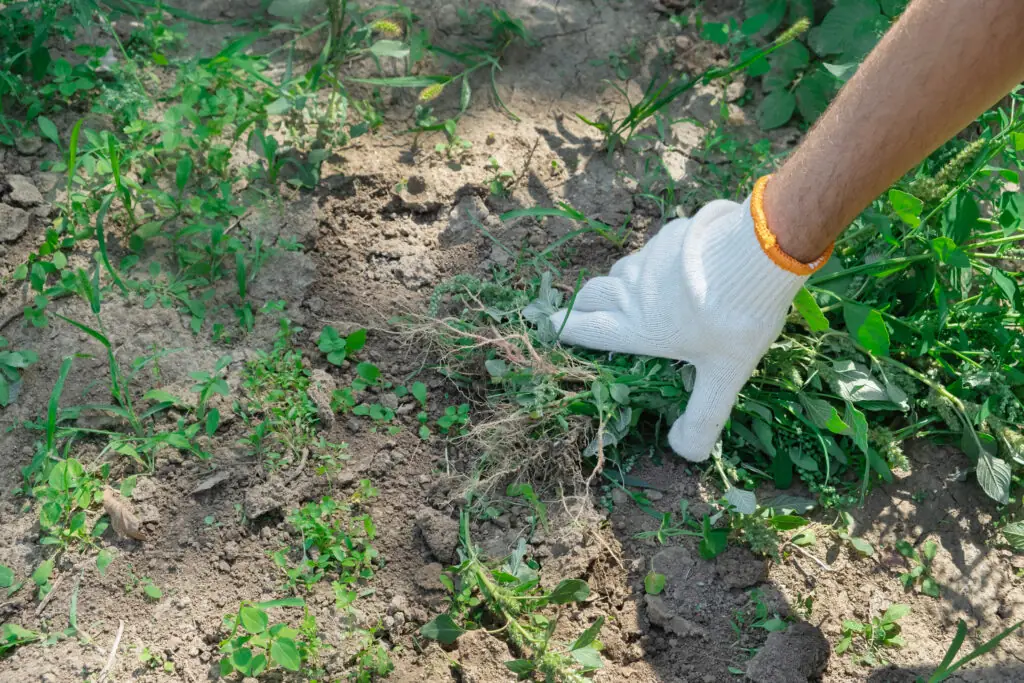
- Cultural practices like mulching, hand-pulling, or solarizing soil
These methods promise weed suppression without the harsh chemicals found in traditional herbicides—but the keyword here is “suppression,” not elimination.
Atlanta Lawns Face a Different Beast
Let’s be real. Atlanta lawns aren’t dealing with a few stray dandelions—they’re up against crabgrass, nutsedge, chickweed, clover, and more. Thanks to our warm, humid climate and long growing season, weeds have ample opportunity to grow, spread, and take over your lawn faster than you can say “mulch it!”
Unfortunately, most organic weed control methods struggle to keep up with the speed and strength of Georgia weeds. That’s where the results start to vary—and frustration kicks in.
Why Results Vary With Organic Weed Control
1. Inconsistent Weed Results
Some natural methods might work great on one weed species but do little against another. Vinegar-based sprays may burn back chickweed, but do nothing for stubborn Bermuda grass or deep-rooted dandelions.
Because natural weed killers tend to work on the plant’s surface, they rarely penetrate the root system—leading to crabgrass returns or regrowth after rain.
2. Repeat Applications Needed
Don’t expect a one-and-done experience with organics. Most non-toxic weed sprays need to be applied multiple times—sometimes weekly or after every rain event—to stay effective.
And even then, results can fade quickly without consistency. For busy Atlanta homeowners, that’s a whole lot of spraying and very little payoff.
3. Limited Spectrum of Control
Unlike synthetic herbicides that can be selective (targeting only broadleaf weeds, for example), most organic solutions are non-selective. That means if you accidentally hit your turf while spraying vinegar or clove oil, you could damage the good stuff too.
This makes spot-treating extremely tricky, especially when your lawn is already overrun by weeds. There’s a real risk of harming your healthy grass while trying to protect it.
4. Soil and Lawn Health Matters
Organic treatments often depend on your lawn already being in good shape. If your soil pH is off or your grass isn’t dense and strong, weeds will move in faster than you can fight them off.
That’s why many natural methods are only effective as part of a long-term strategy—paired with practices like:
- Core aeration
- Overseeding
- Consistent mowing and watering
- Fertilization (organic or synthetic)
If your turf is thin or patchy, even the best safe weed control methods won’t hold up.
Pros and Cons of Organic Weed Control in Atlanta
Let’s break it down:
| Pros | Cons |
| Safer for pets and kids | Results vary depending on weather and weed |
| Environmentally friendly | Requires frequent reapplication |
| DIY options available | May damage grass if not carefully applied |
| No chemical residue in runoff | Doesn’t address root systems |
| Great for small or light infestations | Not ideal for heavy weed pressure |
When It Might Work Best
That said, organic weed control isn’t totally off the table. You might see decent success if:
- You have a small lawn or garden bed with manageable weeds
- You’re committed to manual upkeep, like pulling and mulching
- You combine natural sprays with other lawn health strategies
- You’re treating areas where chemical use isn’t ideal (like near vegetables or play zones)
The key is knowing your lawn’s limits—and what kind of time and attention you’re ready to invest.
What About DIY Organic Weed Control?
There’s no shortage of Pinterest boards and blog posts touting homemade weed killer recipes. Some of the most popular include:
- Vinegar + salt + dish soap
- Boiling water
- Corn gluten meal as a pre-emergent
- Essential oil sprays
These might work for spot-treating challenges or along sidewalk cracks. But as a full-lawn solution? They’re rarely strong enough for Atlanta’s weed population—especially during the height of the growing season.
Let Weed Pro Help You Choose the Right Plan
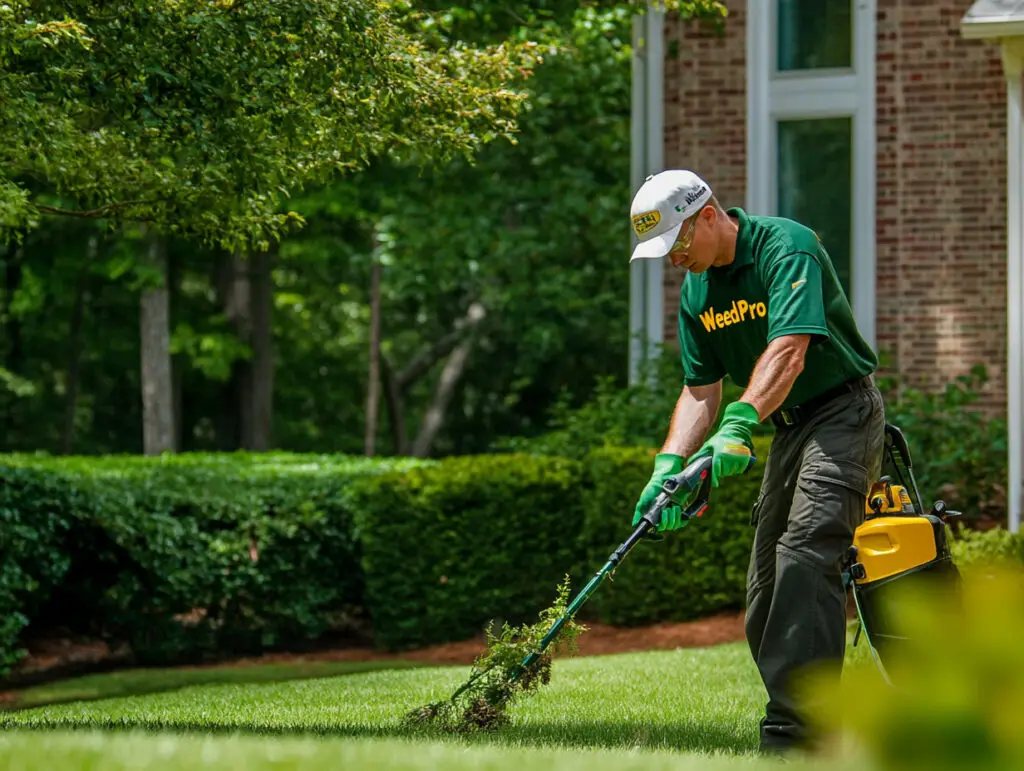
If you’re feeling overwhelmed by your Atlanta lawn weed strategy, we’ve got your back. Our team doesn’t push one-size-fits-all solutions. Instead, we work with you to understand your lawn’s condition, your preferences, and your goals.
Want to go as natural as possible? We’ll map out what’s realistic. Need stronger results for a lawn already overrun by weeds? We’ve got that covered, too.
With Weed Pro, you’ll get honest advice, tailored treatments, and real results—without sacrificing your values or your weekend.
Schedule a weed control assessment today and let’s get your lawn back on track, naturally or otherwise.
🌱 FAQ: Common Questions About Organic Weed Control in Atlanta
Are there any Atlanta-specific weeds that respond well to organic treatments?
Yes, but only a few. Chickweed and small patches of clover can sometimes be suppressed with vinegar-based solutions or mulching. However, more aggressive weeds like crabgrass, nutsedge, or dallisgrass tend to resist organic treatments, especially when established.
Can you combine organic weed control with insect or fungus treatments?
Absolutely—but with caution. Some organic weed products may interact with biological insecticides or natural fungicides, weakening their effects. It’s important to plan your application timing carefully, or better yet, work with a lawn care expert who can coordinate a safe and effective treatment calendar.
Is organic weed control a good option for shaded lawns in Atlanta?
Shaded lawns often grow thinner turf, making them more susceptible to weeds. Unfortunately, this also makes organic weed control less effective. Since shaded areas are already vulnerable, relying on weak treatments can allow weeds to quickly take over. A stronger, targeted approach is usually recommended.