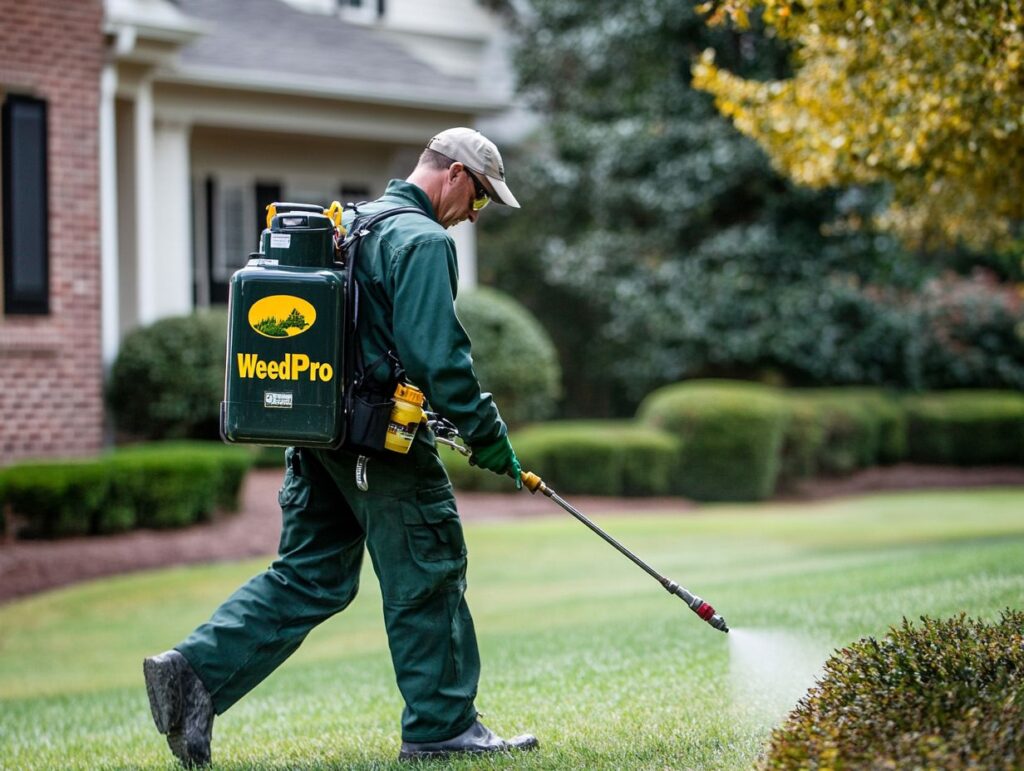
You’re probably thinking about when to apply herbicide in your Atlanta lawn, and you’re not alone. Homeowners across Atlanta experience the same annual fiasco with crabgrass, broadleaf weeds, and other sneaky undesirables that pop up right when your lawn is nearing that “perfect” appearance. Regardless of the products you use to treat weeds underfoot, your success will largely hinge on the timing of the herbicide application.
Here at Weed Pro, we can tell you that most of the time, the distinction between a healthy, lush lawn and a seemingly endless, tall green mess will come down to timing. Whether you’re dealing with early spring sprouters, stubborn summer germinators, or both, the plan itself will differentiate the frustration of dealing with unwanted weeds and the outcome of committing to the plan.
Let’s break down the timing window for herbicide application, month-to-month, season-to-season, so your lawn can stay in front of those unwelcome guests.
Pre-Emergent vs Post-Emergent: What’s the Difference?
We will discuss lawn treatment in Atlanta, but first, let’s define our terms.
- Pre-emergent herbicides prevent weeds before they sprout- think of these as your pre-emergent heroes of prevention.
- Post-emergent herbicides kill the weeds after they’ve already shown their ugly heads.
Both have their place in effective seasonal weed control, and both should be used at the right points of the season to be effective.
Early Spring (Late February to March): The Pre-Emergent Prime Time
In Atlanta, spring arrives early, and that often includes unwanted weed growth and crabgrass, which start germinating when soil temperature reaches approximately 55 degrees F.
✅ What to do:
Apply a pre-emergent herbicide prior to soil temperatures reaching that mark, typically in the range of late February- a good time to begin, and mid-March- a good time to try not to exceed. This is effective at preventing the germination of crabgrass, foxtail, and other annual weeds in your turf before they can cause damage.
Pro Tip: Use a soil thermometer, or check local weather stations and track when conditions are most favorable for applying pre-emergent herbicides. Guessing doesn’t cut it in this game
Late Spring (April to Early May): Spot-Check Time
Once the pre-emergent window has passed, shift your focus to the broadleaf weeds that may have emerged. Dandelions, clover, and spurge love to appear during late spring because if your timing is even slightly off, they will have slipped through.
✅ What To Do:
Spot-treat with a post-emergent herbicide in the cooler morning hours when weeds are growing actively, but ideally not stressed. The goal here is to spray at the start of May, before the sweltering Atlanta heat wave hits.
Summer (June to August): Caution Zone for Herbicides
Summer is not a good time for herbicide spraying. Hot, humid Atlanta summers are not a good time to spray, because once temperatures exceed 85°F, many herbicides lose efficacy, and if the heat is extreme enough, it may actually harm your grass.
✅ What To Do:
Be judicious and consider using a selective post-emergent herbicide only when absolutely necessary. Even then, consider only applying it in the cooler evening or early morning hours, but consider organic spot treatments or using a hand-pull method if the issue is relatively limited.
Either way is a good time to reconsider your mowing height and watering practices, which can create a better environment for your turf to withstand a larger topical weed infestation.
Early Fall (September): Round Two for Pre-Emergents
Think the weeds are done? Not a chance. Weeds that germinate in the fall, such as Poa annua and henbit, thrive when soil temperatures return to the 70s. If you are not careful, those weeds can winter over and explode in the spring!
✅ Your To-Do:
Apply your second form of pre-emergent herbicide in early September. This is your best defense against winter and early spring weeds. Don’t forget to fertilize approximately 3–4 weeks later; the lawn will need this boost to stay dense and healthy all winter.
Winter (December to February): Plan and Prep
Although winter is not a time to actively spray herbicides, it is a good time to think about the results you achieved in the previous year and plan for the upcoming year. Create a monthly lawn care planner. Review what worked and what didn’t; get your soil tested if appropriate!
✅ Your To-Do:
- Prep your tools and products
- Research any potential changes in herbicide regulations
- Keep an eye out for winter weeds that may arise in milder temperatures
Timing by Weed Type: Cheat Sheet
| Weed Type | Best Timing | Herbicide Type |
| Crabgrass | Late Feb–Mid March | Pre-emergent |
| Dandelion | April–May | Post-emergent |
| Clover | April–May / Fall | Post-emergent |
| Spurge | Late Spring / Summer | Post-emergent (selective) |
| Poa Annua | Early September | Pre-emergent |
| Henbit | Early September | Pre-emergent |
Factors That Affect Herbicide Efficiency
Even the timing of the best broadleaf weed control can struggle if you do not pay attention to all the other variables. Below is a list of things to keep on your radar:
- Soil temperature: Determines when weeds germinate.
- Rainfall: The herbicide can wash away if herbicide is applied before a heavy rain.
- Mowing: Avoid mowing the lawn before or immediately after the time of herbicide. Allow the herbicide time to work!
- Type of turf: Consider that not all grasses tolerate all herbicides–some Zoysia and Bermuda grasses require specific treatments.
Being cognizant with more than just timing can help manage your weed control efforts and lessen the chances of possible turf damage.
✅ Let Weed Pro Handle the Timing for You
You don’t need to play ‘walking lawn calendar’ to get it right this June! Weed Pro lives and breathes lawn care strategy when it comes to timing, whether it’s related to pre-emergent scheduling or temperature-based spraying.
We develop seasonal weed control programs and customize them based on Atlanta’s climate and your specific turf. If you have centipedegrass in the front and Zoysia in the back, or just want to manage dandelions, call Weed Pro.
❓ FAQ: What Else Should You Know?
Can you use herbicide on new sod or recently seeded lawns?
It depends on the type of herbicide and how long it’s been since planting. Most pre-emergents should be avoided for 6–8 weeks after seeding or sodding, as they can prevent root establishment. Post-emergents should also be used with caution until the new lawn is well-established.
Why do you still see weeds after using herbicide?
Some weeds require multiple applications, especially if they’re mature or deeply rooted. Environmental factors like rain or heat can reduce herbicide effectiveness. It’s also possible you targeted the wrong weed type or used the wrong product for your turfgrass.
Are organic herbicide options available for Atlanta lawns?
Yes! Organic herbicides can be useful for spot treatments and are usually made from vinegar, clove oil, or citrus-based ingredients. However, they generally work best on young, shallow-rooted weeds and may require more frequent applications compared to synthetic options.
👉 Up Next
Sprayed at the right time? Great! But what if your lawn is still looking a little crispy? You’ll want to read this: Burnt Grass: Understanding Causes and Providing Solutions for a Healthier Lawn.