If you’ve ever stared out your window at an overgrown yard during a drizzle and thought, “Can I just go out there and whack those weeds anyway?”—you’re not alone. Whether you’re a weekend warrior with a lawn to tame or a new homeowner trying to make a good impression, the question pops up a lot: can you weed-whack wet grass? Let’s talk about it.
Here in Alpharetta, the weather doesn’t always cooperate with your landscaping schedule. And while weed whacking seems like a quick fix—even on a damp morning—it can come with some serious risks (and a few soggy surprises). So before you grab that string trimmer and brave the drizzle, read on. Weed Pro is here to help you make the safest, smartest decision for your lawn—and yourself.
The Truth About Weed Whacking Wet Grass
First thing’s first: weed-whacking wet grass is definitely possible. But should you do it? That’s another story. When moisture gets involved, especially rain, it changes how your equipment behaves, how the grass responds, and how safe your yard work actually is.
Wet grass is heavier and more slippery than dry grass, making trimming a bit trickier. It tends to clump, clog, and fling around in messy, unpredictable ways. That beautiful, clean edge you’re going for? Yeah, good luck getting it when you’re trimming grass in wet conditions.
The Real Dangers of Weed Eating in the Rain
Let’s talk safety. Here are the biggest risks of weed eating in the rain, especially if you’re using electric-powered tools:
1. Electric Rain = Electric Pain
Mixing water and electricity? Bad idea. Using a corded electric trimmer in the rain is risky and should be avoided altogether. Water can cause malfunctions, shocks, and damage to the motor. Even cordless trimmers aren’t immune—many batteries aren’t waterproof.
2. Slippery Lawn Maintenance Is No Joke
Even if your tool is safe, you might not be. Wet grass is slick, especially on slopes or uneven terrain. Combine that with spinning strings and limited visibility, and you’re just a slip away from an injury.
3. Clogs and Curses
Wet grass loves to bunch up. It clogs your string trimmer’s head, bogs down the motor, and causes uneven cuts. If you’ve got a schedule to keep, battling blockages isn’t exactly efficient.
So, Is It Ever Okay?
Sure! With the right gear, precautions, and a little patience, you can absolutely handle wet grass trimming on a damp morning or shortly after a rain. But the key is understanding the right way to do it.
Best Practices for Trimming in Wet Weather
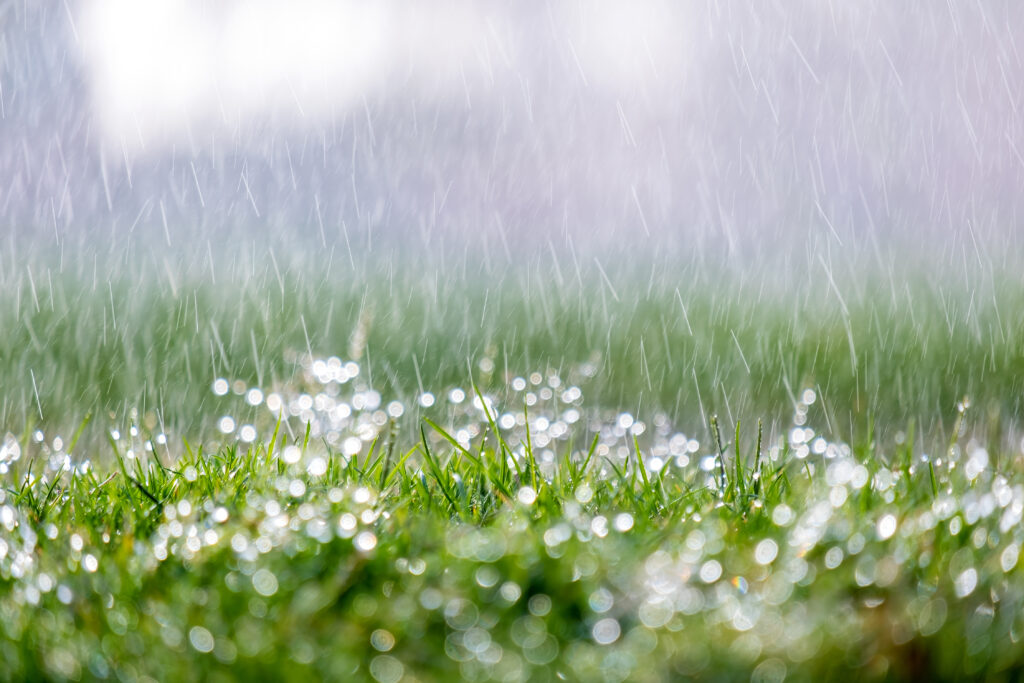
If you’re set on tackling those weeds post-shower, here’s how to keep things safe and efficient:
Use Battery-Powered Equipment (That’s Rated for Outdoor Use)
Go cordless—but make sure it’s water-resistant and safe to use outdoors.
Wait for the Right Kind of Wet
A light drizzle that’s stopped? Manageable. Full-on thunderstorm with saturated soil? That’s your cue to stay inside.
Wear Non-Slip Footwear and Protective Gear
Rubber soles, gloves, and long pants aren’t just for show. Keep your footing and protect yourself from flying clumps.
Clean Your Equipment More Often
Expect more cleanup. Grass will cling to everything—especially the trimmer head. Pause often to clear it out.
When’s the Best Time to Trim Weeds?
Spoiler alert: It’s not during the rain. Ideally, wait until the grass has dried out a bit—but not bone dry. Early morning (after dew evaporates) or early evening (when the sun’s lower) are solid choices.
Bonus tip: If your yard is shaded and doesn’t dry quickly, focus on sections that get more sun first. Knock out the easy stuff before wrestling with the damp patches.
Electric Trimmer Hazards You Shouldn’t Ignore
Let’s circle back to the equipment. Electric trimmer hazards are no joke—especially when combined with water. Avoid plugging in corded devices outdoors unless the area is bone dry, and never use damaged cords or exposed wires.
If you’re serious about trimming through all seasons, invest in water-resistant gear and check the manufacturer’s guidelines. Not all trimmers are created equal, and using the wrong one in wet conditions could fry your tool—or you.
Your Lawn Deserves the Best—Rain or Shine
Let’s not leave your lawn’s fate up to weather apps and guesswork. If you’re unsure when—or how—to handle your soggy landscaping tasks, just call in the experts at Weed Pro. We’ll help you protect your lawn, your tools, and your toes.
Don’t risk electric shocks or muddy messes when a pro can get the job done efficiently and safely. Ready to reclaim your yard from weeds, weather, and wonky tools? Let’s talk.
❓ FAQ: Things You Didn’t Know You Needed to Know
Can frequent weed whacking damage your lawn’s root system?
Yes—especially when overdone or done improperly. Excessive string trimmer use can scalp the lawn, damage crowns, and stress the roots. If your lawn looks patchy or tired after each pass, it’s time to reevaluate your trimming frequency or technique. For most homeowners, trimming every 1–2 weeks during peak growth is more than enough.
How do you tell if your weed trimmer is safe to use in wet weather?
Start by checking the product label and manual for waterproof or water-resistant ratings. Look for IP ratings that indicate moisture protection. Avoid devices with open vents, exposed wiring, or visible cracks. If your trimmer isn’t specifically made for wet conditions, play it safe and hold off.
Will trimming wet grass dull your trimmer’s string faster?
It can. Wet grass is denser and heavier, putting more strain on the string and motor. That added resistance can wear down your trimmer line quicker than normal. Always keep extra line handy and check your spool before starting a wet-trimming session.
Up Next: Flowers That Brighten Even the Dreariest Days
Rainy days got you feeling blue? Brighten your yard with bold blooms that thrive even in cooler, cloudy seasons. Head over to our next article, Flowers to Brighten Your Garden During the Georgia Winter, for some colorful ideas that will lift your spirits—and your landscaping game.