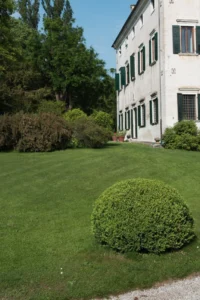
Let’s be real—lawn treatment isn’t as simple as tossing down some fertilizer and calling it a day. Especially here in Atlanta, where the seasons bring wild swings in weather, moisture, and grass growth. What worked in spring might be a total flop by fall. And if you’re not timing treatments, just right? Hello, patchy turf and burned-out blades.
Don’t worry—we’re not here to shame your past lawn fails. We’ve all been there. But if you’re serious about keeping that yard green, thick, and weed-free, it’s time to talk about the most common seasonal fertilization errors, scheduling slip-ups, and misapplications Atlanta homeowners tend to make (and how to sidestep every single one of them).
Mistake #1: Using the Wrong Products for the Wrong Season
Different seasons call for different lawn TLC. But one of the most common mistakes? Using the same fertilizer, weed killer, or seed blend year-round. Yikes.
In spring, your grass is waking up—it needs a nitrogen-rich boost to fuel early growth. Come summer, your focus should shift to turf burn prevention and helping the lawn retain moisture. By fall, it’s all about root development and prepping for dormancy.
Using the wrong formula at the wrong time could throw your grass’s growth cycle alignment completely off. Worst case? You end up feeding weeds or stressing out your turf when it’s trying to rest.
Pro Tip: Always check your product’s label for seasonal recommendations, and never mix up pre-emergent and post-emergent weed control. Timing is everything in weed and feed timing.
Mistake #2: Overdoing It with Fertilizer
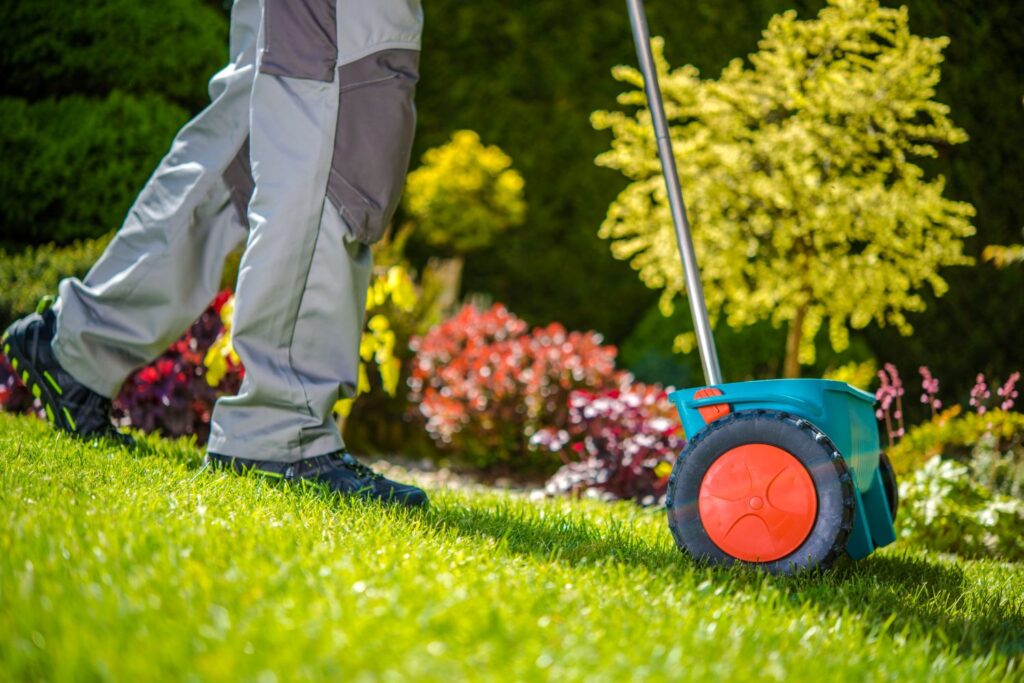
More isn’t always better—especially when it comes to fertilizer. Chemical overuse can lead to turf burn, soil imbalance, and runoff that pollutes local waterways. (Not to mention the money you’re literally burning.)
Fertilizer should be applied based on actual lawn needs, not your “gut feeling” or a random date on the calendar. Product instructions exist for a reason—and we highly recommend reading them.
Atlanta lawns typically benefit from 3–4 light applications a year. Avoid dumping it all at once, especially right before or after heavy rain. That’s a waste, and your turf will throw a fit.
Mistake #3: Misunderstanding Pre- and Post-Emergents
Not all weed killers are created equal. Pre-emergent treatments stop weeds before they sprout. Post-emergent herbicides attack existing weeds. Mix those up, and you’re just tossing money into the wind.
For Atlanta lawns, spring and fall are prime times to apply pre-emergents. Get it wrong, and you’ll be pulling weedy patches all season long. Get it right, and your yard stays clean without constant spot treatment.
Also, remember: pre-emergents don’t work if the seed is already in the ground. So, if you’re seeding or overseeding, skip them unless you enjoy growing nothing at all.
Mistake #4: Watering at the Wrong Times
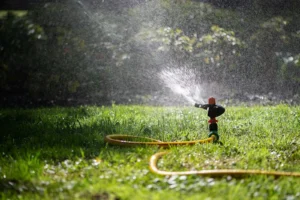
Overwatering issues are a real lawn killer—especially in Atlanta’s muggy summers. People often water too frequently, not deeply enough, or at the absolute worst time of day (hi, midday evaporation).
Here’s what to aim for:
- Water early in the morning—less evaporation, more absorption
- Water deeply and infrequently—encourages strong root growth
- Adjust during dry spells—don’t stick to the same schedule year-round
Your lawn schedule should be as dynamic as your grass. Watch for soggy spots, dry edges, and yellowing—all signs it’s time to tweak your routine.
Mistake #5: Skipping Soil Testing
If you’re guessing about your soil’s pH and nutrient levels, you’re basically flying blind. A lot of “lawn issues” aren’t due to the grass—it’s the soil underneath that’s screaming for help.
A quick soil test reveals:
- Nutrient deficiencies (like nitrogen, phosphorus, or potassium)
- pH imbalances that affect absorption
- Compaction or drainage problems
Don’t apply treatments, hoping they’ll work. Know what your lawn needs before you spend a cent.
Mistake #6: Ignoring the Dry Season
When Atlanta hits its dry spells (looking at you, July and August), lawn care requires some finesse. Applying fertilizer in drought conditions can do more harm than good—it’s like feeding a sick plant spicy food.
Instead of pushing growth, focus on:
- Dry season prep, like adding mulch around borders
- Watering wisely to avoid evaporation and runoff
- Delaying treatments until temperatures cool
And never mow your lawn too short in a drought! It’ll stress out your turf and leave it open to sun damage and pests.
Mistake #7: Skipping Year-Round Maintenance
Many homeowners go hard in spring and summer… then completely ghost their lawns in fall and winter. That’s a huge lawn treatment blunder.
Here’s a rough year-round guide for Atlanta lawn care:
- Spring: Aeration, fertilization, weed prevention
- Summer: Moisture management, spot treatments
- Fall: Overseeding, root strengthening, pH balancing
- Winter: Leaf removal, light maintenance, irrigation checks
Every season plays a role in your lawn’s overall health. Skipping one can throw off the whole system.
Mistake #8: Not Spot Treating Properly
See a weed? Don’t panic and douse the whole yard with herbicide. Targeted treatment is safer, cheaper, and way more effective.
Here’s your quick spot-treating advice:
- Use a small sprayer for targeted zones
- Don’t treat in extreme heat
- Avoid spraying before rain
- Read the label—seriously
Over-spraying leads to thin, patchy turf, especially in high-sun areas. Treat weeds like you would a blemish—minor, precise, and handled with care.
Mistake #9: Cutting Grass Too Short
We get it—you want to mow less often. But scalping your lawn does more harm than good. Short grass can’t shade the soil, leading to:
- Increased evaporation
- Weed germination
- Sunburned turf
The sweet spot for most Atlanta lawns? 2.5 to 3.5 inches. Adjust mower height based on grass type and season.
Mistake #10: Failing to Adjust for Product Interactions
Some homeowners stack fertilizers, weed killers, and insecticides like a backyard buffet. But not all products play nice together.
Always check for compatibility and space-out treatments to give your turf time to process. Think of it like your lawn’s diet—you don’t want to overload it with conflicting inputs.
Let Weed Pro Handle the Messy Stuff
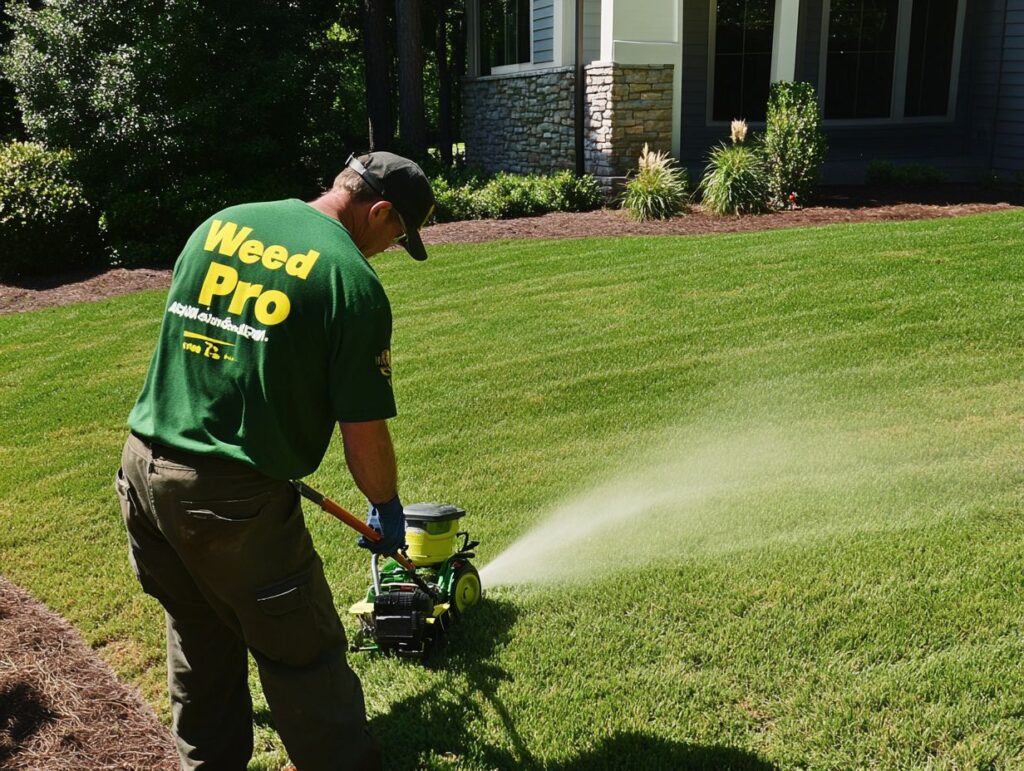
If you’re tired of playing the guessing game, call in the lawn nerds—aka the pros at Weed Pro. We know how to tailor lawn treatment strategies specifically for Atlanta’s unique climate and soil conditions.
From misapplied treatments to seasonal fertilization errors, we’ve fixed every turf blunder in the book—and prevented a lot more. Let us help your lawn hit its peak potential year-round.
FAQ: What Else Should You Know?
How do you know if you’ve over-fertilized your lawn?
Signs of over-fertilization include yellow or brown grass tips (a condition called “fertilizer burn”), a crusty residue on the surface, and unusually fast blade growth without thickening. If you see this, stop all treatments and water deeply for a few days to help flush out excess nutrients.
Can you apply weed control and fertilizer at the same time?
Yes—but only if you’re using a combination product labeled for that purpose. Otherwise, applying both separately may stress your turf or cause product interference. When in doubt, stagger applications by a few days or follow the instructions from your lawn care provider.
🔍 Keep the Lawn Glowin’—And Keep Learning, Too!
You’ve nailed the basics of lawn treatment, but that’s just the start. From weeds to weather, there’s always something new to tackle. Check out our full blog for expert tips, seasonal strategies, and local know-how to keep your Cumming lawn looking its absolute best—year-round.