
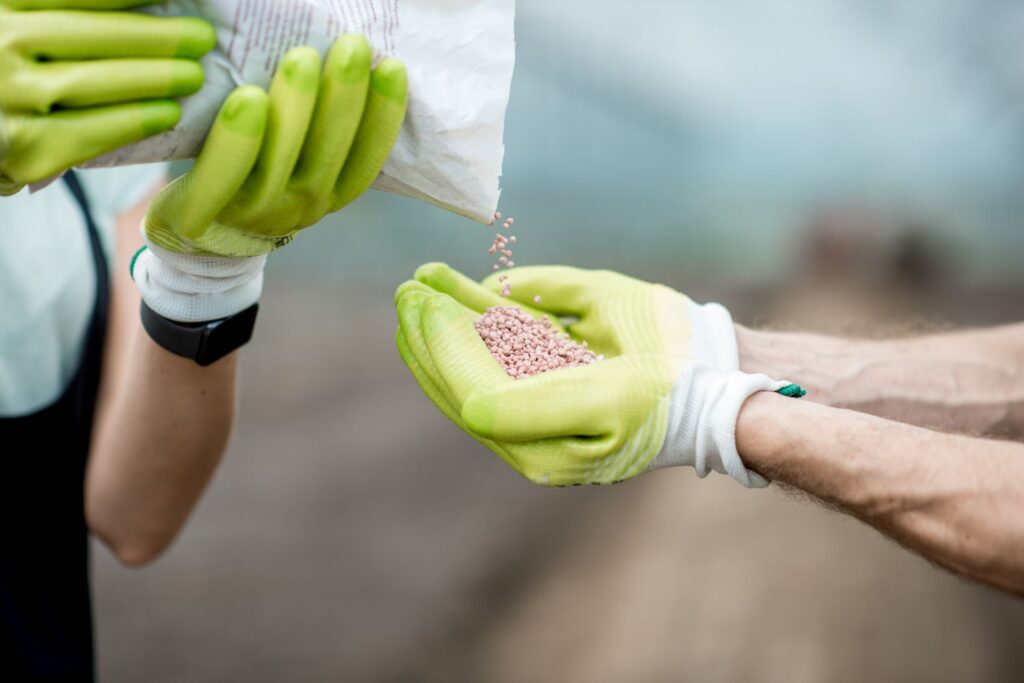
Ever wondered why your lawn just doesn’t pop like your neighbor’s—even when you’ve been feeding it faithfully with fertilizer? Here’s a secret: it might not be about how much you’re feeding your grass, but what you’re feeding it.
Welcome to the underdog world of micronutrients—the tiny, often forgotten lawn heroes that play a huge role in achieving that healthy, vibrant green we all dream about. And in Cumming, GA, where soil composition varies from clay-rich to sandy, these trace elements matter a lot.
At Weed Pro, we’ve seen lawns turn around dramatically when the right fertilizer blend is used—not just the big hitters like nitrogen, phosphorus, and potassium, but the small guys like iron, manganese, and zinc, too. Ready to discover the missing puzzle pieces in your lawn care game?
Let’s dig in!
What Are Micronutrients—And Why Should You Care?
When most homeowners think of fertilizer, they picture the three major nutrients: N (Nitrogen), P (Phosphorus), and K (Potassium). These are essential, sure. But they’re not the only nutrients your lawn needs to thrive.
Micronutrients are minerals that plants need in small amounts, but don’t be fooled by their size. Their impact on your turf’s health is huge. A deficiency in just one can mess with your grass’s ability to photosynthesize, grow deep roots, or maintain color.
Here are a few key players:
- Iron – essential for chlorophyll production (hello, deep green color!)
- Manganese – helps with nitrogen use and root strength
- Zinc supports new leaf growth
- Copper – promotes enzyme function and disease resistance
- Boron, Molybdenum, and Chlorine – the behind-the-scenes boosters
Think of micronutrients as your lawn’s multivitamins. Miss a few too many, and suddenly your turf starts acting tired and cranky.
Why Cumming Lawns Are Often Missing These Essentials
Cumming, GA, lawns face their own set of soil challenges. Between Georgia clay, inconsistent pH levels, and frequent rain that washes nutrients away, it’s easy for micronutrients to fall out of balance.
Some common local causes of micronutrient lawn care issues:
- High soil pH (above 7) can lock out iron and manganese, even if they’re present
- Heavy rainfall can leach zinc and boron from your soil
- Improper fertilization with N-P-K-only blends may neglect trace minerals
- Soil compaction can limit root access to deeper, richer nutrient layers
Basically, you could be doing everything else right, but if your soil isn’t getting the right balance of trace elements, your lawn may never reach its full potential.
Symptoms of Micronutrient Deficiency in Lawns
Your lawn can’t exactly speak, but it sure knows how to send distress signals. Here’s what to watch for:
- Yellowing leaves with green veins = possible iron deficiency (aka chlorosis in turf)
- Stunted growth and poor green-up = could be manganese or zinc
- Increased disease problems = lack of copper or molybdenum
- Poor seedling growth = boron may be missing
These symptoms can look a lot like drought stress or over-fertilization, so it’s essential to test your soil before playing nutrient roulette.
Balanced Fertilization: It’s All About the Mix
The trick with micronutrients is moderation. Too little, and you get deficiencies. Too much, and your lawn can suffer toxicity, which is just as harmful.
That’s why custom fertilizer blends are essential for optimal lawn care in Cumming. A balanced plan includes:
- Primary nutrients (N-P-K)
- Secondary nutrients (calcium, sulfur, magnesium)
- Micronutrients (those trace elements we’ve been raving about)
Blends tailored to your soil enrichment needs—determined through a seasonal soil test—are far more effective than store-bought “one-size-fits-all” bags.
The Case for Regular Soil Testing in Cumming, GA
We can’t stress this enough: soil testing is the foundation of smart fertilizing. A professional test checks pH, organic matter, and both macro and micronutrient levels. It’s like getting a full blood panel for your yard.
In Cumming, it’s ideal to test in early spring or late fall so you can:
- Identify hidden nutrient deficiency signs
- Build a more accurate fertilizer blend
- Maximize nutrient absorption
- Improve turf performance across all seasons
Weed Pro offers soil testing services that go beyond the basics. We don’t just guess—we know what your lawn needs and when.
Micronutrients Throughout the Seasons
Your grass’s appetite changes with the weather. Here’s a quick guide to matching micronutrients to the time of year:
Spring
- Iron and manganese for healthy green-up
- Zinc to support new blade development
Summer
- Magnesium and boron for root heat tolerance
- Molybdenum for nitrogen efficiency during growth spurts
Fall
- Copper and manganese to boost disease resistance
- Iron for rich late-season color
Seasonal applications of the right micronutrients can build stronger roots, thicker blades, and a lawn that weathers storms and sunshine like a champ.
Not All Fertilizers Are Created Equal
Many off-the-shelf fertilizers do not include micronutrient support. Even the ones that do may contain them in poorly absorbable forms.
When choosing a fertilizer for your Cumming lawn, look for these features:
- Chelated micronutrients (easier for plants to absorb)
- Slow-release formulations for longer feed
- Balanced N-P-K ratio plus micros
- Compatibility with your lawn’s pH and grass type
Or better yet—skip the guesswork. Let Weed Pro design a custom fertilizer plan that’s built just for your yard.
Pro Tip: Micronutrient Needs After Heavy Rainfall
After a big Georgia downpour, it’s not uncommon for lawns to show signs of micronutrient stress. That’s because water can wash key elements away or make them temporarily unavailable.
If your lawn suddenly turns dull after heavy rain, it might not be sick—it might just be missing trace elements. A quick soil booster with chelated iron or manganese could be just the pick-me-up your turf needs.
Micronutrient Boosters for High-Traffic Yards
Got kids, dogs, or weekend cookouts turning your turf into a track field? High-traffic lawns need extra help.
Micronutrients like zinc and manganese help your grass recover from compaction, repair wear-and-tear, and maintain a lush appearance even under pressure.
Let’s Talk Lawn TLC: Your Next Fertilizer Game Plan
If your Cumming lawn feels like it’s doing “just okay,” it might be time to level up your fertilizer routine. The missing link could be micronutrients, and at Weed Pro, we know exactly how to bring them to the table.
From seasonal soil testing to fully customized feeding plans, we take the guesswork out of growing a lush, green lawn. Because let’s be honest—you’ve got better things to do than stare at yellow patches.
Call us today to schedule your lawn assessment. It’s time to give your grass everything it needs—and nothing it doesn’t.
❓FAQ: Micronutrient Fertilizer Questions You Didn’t Know to Ask
Can you apply micronutrient fertilizer year-round in Cumming?
Not necessarily. Micronutrients are most effective when applied in sync with seasonal lawn needs and current soil conditions. Overapplying can be just as harmful as underapplying. It’s best to test first, then time your applications based on the results.
Are liquid or granular micronutrient fertilizers better for a lawn?
It depends on your lawn goals and equipment. Liquid micronutrients absorb faster and are ideal for quick fixes, while granular blends offer slow-release benefits and are easier to apply with spreaders. In many cases, a mix of both can be beneficial.
How do micronutrients impact lawn disease resistance?
Certain micronutrients—like copper, manganese, and zinc—enhance your turf’s ability to fight off fungal and bacterial infections. They strengthen plant cell walls and improve enzymatic function, which creates a stronger line of defense during stressful seasons.
🌿 Up Next: Choosing Fertilizer Based on Your Atlanta Grass Type
Want to know which fertilizer is actually right for your specific turf variety? Then head over to our next article:
“Choosing Fertilizer Based on Your Atlanta Grass Type.“
We’ll break down the dos and don’ts of feeding Bermuda, Zoysia, Fescue, and more. Let’s get your grass dialed in!