So you gave your lawn a little “boost”—just a splash of fertilizer to green things up. A few days later, you look outside and… oh no. It’s yellow. Or worse, brown. It looks like someone torched your turf!
Yup, you’ve got a case of fertilizer burn, Atlanta style.
If this sounds like your lawn right now, don’t panic—we’re diving deep into the cause, the cure, and how to keep your grass from suffering a meltdown again. Whether you overdid it with the nitrogen, forgot to water afterward, or just picked the wrong product for your Atlanta lawn, we’ve got your back.
At Weed Pro, we see this a lot. And the good news? You can bounce back with the right recovery game plan. Let’s talk fertilizer damage, how to diagnose it, fix it fast, and feed your lawn the smart way next time.
What Exactly Is Fertilizer Burn?
Let’s break it down.
Fertilizer burn is lawn stress caused by too much salt or nitrogen in your soil, two common ingredients in most synthetic lawn products. When there’s an overload, grass blades lose moisture and start drying out. That’s where the turf burn kicks in.
It’s like giving your lawn an energy drink… and then giving it five more.
The roots can’t absorb water properly, and the result is crispy, discolored grass that looks anything but lush.
Signs You’ve Over-Fertilized Your Atlanta Lawn
Here’s what fertilizer burn usually looks like (and why it can be tricky to catch early):
- Yellow streaks that don’t match mowing patterns
- Brown patches that appear 1–2 days after fertilizing
- Grass yellowing that progresses quickly
- A “fried” appearance on the tips of the blades
- Sudden turf decline after using a new fertilizer
These symptoms often show up in weird patterns—along spreader lines, edges, or spots where you overlapped during application. If you’re seeing brown spots appear like crop circles in your turf, you’ve likely been a little too generous with the product.
Common Causes of Fertilizer Burn in Atlanta
Now let’s figure out what went wrong. Here are the usual suspects when it comes to over-fertilized grass in the Atlanta area:
1. Applying Fertilizer During a Heat Wave
Hot Atlanta summers already put your turf under stress. Add in extra salt and nitrogen excess, and your lawn just can’t cope. It’s like putting a heavy winter coat on in July—not ideal.
2. Using the Wrong Product
High-nitrogen fertilizers or fast-release granules may not be suitable for your specific grass type, especially warm-season varieties like Bermuda or Zoysia that dominate Atlanta lawns.
3. Skipping Watering After Application
Fertilizer needs to be watered in to prevent salt buildup on the surface. No watering = no dilution = burn city.
4. Double-Passing With a Spreader
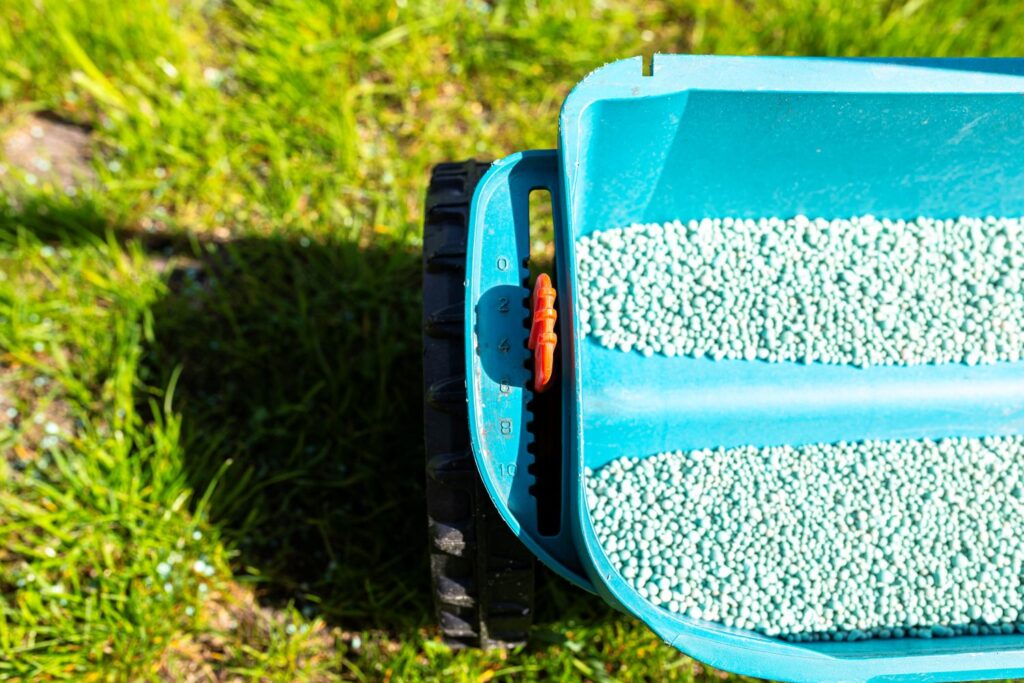
Overlapping passes with your fertilizer spreader can cause streaks of nitrogen overload in specific zones.
What to Do If You Suspect Fertilizer Burn
Caught early, most cases of fertilizer burn are totally reversible. But you’ll need to act fast.
Step 1: Stop Fertilizing
Yes, we know this sounds obvious—but many people panic and think more product will “correct” the issue. Nope. Put the spreader away.
Step 2: Water Deeply and Often
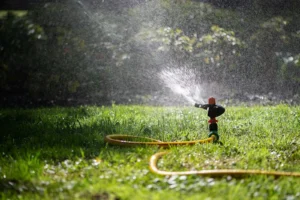
Give your lawn a good soak. Then do it again. You want to flush the soil of extra salts and help your grass recover hydration. Aim for about 1 inch of water every day for 4–7 days, depending on how severe the damage is.
Step 3: Rake Out Dead Grass
Once you’ve stabilized the area, remove damaged blades and loosen the soil so it can breathe. This step preps the turf for regrowth.
Step 4: Reseed or Patch If Needed
In extreme cases, you might need to overseed or patch burned areas.
Smart Alternatives to Avoid Fertilizer Burn Next Time
Alright, let’s make sure this never happens again.
✅ Use Controlled-Release Options
Look for slow-release products that feed gradually over weeks, not days. These reduce the risk of nitrogen overload and are easier on your turf.
✅ Apply in the Early Morning or Late Afternoon
Avoid peak heat hours. Cooler soil absorbs nutrients better and reduces evaporation.
✅ Water Immediately After Fertilizing
This is critical. It activates the fertilizer and protects roots from salt exposure.
✅ Read the Label (Yes, Really)
Follow dosage instructions like a recipe. Doubling up does NOT double the benefits.
✅ Get a Soil Test
Not all lawns need the same nutrients. Test your soil’s pH and existing nutrient levels to pick a safe fertilizer ratio for your specific needs.
Best Times to Fertilize Atlanta Lawns
Timing is everything—especially here in the South.
- Spring (March–April): Use a balanced fertilizer to kickstart warm-season grasses.
- Early Summer (June): Light feeding to support active growth.
- Late Summer (August): Optional touch-up feeding if needed.
- Fall (September–October): A lower-nitrogen mix to prep for winter dormancy.
Skip winter fertilizing entirely. Atlanta’s turf types don’t need it, and applying it increases the risk of burn without benefit.
Time to Recover—and Prevent—Fertilizer Burn
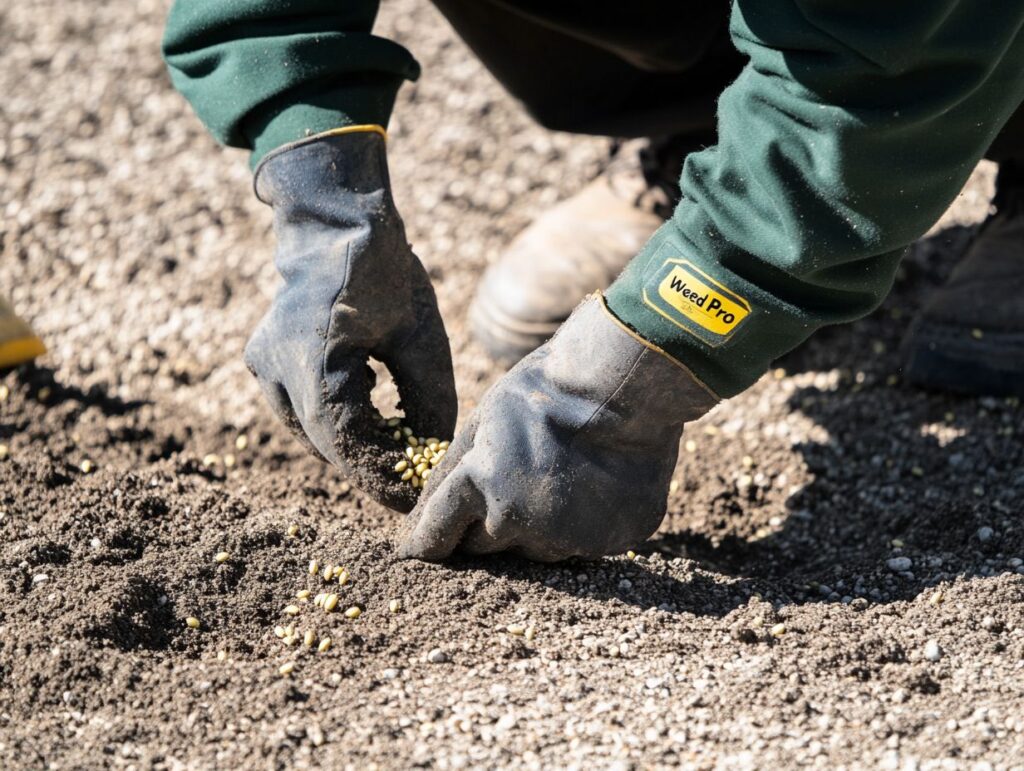
Think your lawn has taken a hit? Don’t sweat it. At Weed Pro, we’ve helped plenty of Atlanta lawn fertilizer disasters bounce back with customized repair schedules, proper watering techniques, and smart feeding plans that actually work.
Whether you’re dealing with burn spots or just want a better way to feed your grass, we’ve got the tools, the products, and the know-how.
Reach out today to schedule a lawn analysis or soil test—we’ll help you revive your lawn the right way.
❓FAQ: Fertilizer Burn Questions You Didn’t Know to Ask
Can fertilizer burn spread to other areas of a lawn over time?
Nope—fertilizer burn isn’t contagious. Each spot that shows damage is usually a direct result of contact with too much product or poor watering. However, if the same missteps are repeated in other sections, you might create new burn patches.
How long does it take for a lawn to recover from fertilizer burn?
Depending on the severity, most lawns show improvement within 1–3 weeks after proper watering and treatment. In mild cases, grass yellowing may reverse in just a few days. For more serious burns, expect to reseed and monitor growth for 6–8 weeks.
Is it safe to mow over burned areas?
You can mow lightly, but avoid cutting too low. Damaged grass blades are more sensitive, and excessive trimming can slow healing. Let the grass rebound and regain color before returning to your regular mowing schedule.
🌿 Coming Up: Micronutrients in Fertilizer—What Cumming Lawns Are Missing
Don’t stop learning now! If you want to take your turf care to the next level, check out our next article:
“Micronutrients in Fertilizer: What Cumming Lawns Are Missing.“
It’s packed with insights that go beyond N-P-K to help you build stronger, greener grass from the ground up. Stay tuned!