Winter in Georgia might bring a chill, but that doesn’t mean your garden has to look drab or lifeless. In fact, with the right winter flowers in Georgia, your outdoor space can bloom with color even in the colder months. Whether you’re a first-time planter or a seasoned green thumb, let’s explore how to make your yard shine when the temperature drops—with help from the pros at Weed Pro.
Why Winter Flowers Deserve a Spot in Your Yard
Let’s face it: most people think of spring or summer when they picture a blooming garden. But guess what? With the right planning, southern winter gardening can be just as vibrant. The trick is choosing cold-hardy flowers that don’t just survive the drop in temperature—they thrive in it.
Winter gardening isn’t just about looks, either. Flowers can help maintain soil structure, encourage pollinators, and give your lawn a cheery edge when everything else seems grey. Plus, you’ll be the envy of the neighborhood with colorful winter landscaping when everyone else has bare mulch and empty beds.
Top Winter Flowers in Georgia That Will Steal the Show
Let’s dive into the good stuff—here are the best flowers to plant in Georgia for eye-popping color and year-round appeal.
1. Pansies and Violas
These two are basically winter’s VIPs. Pansies offer large, velvety blooms in purples, yellows, oranges, and blues, while violas are smaller but tougher. Both can bloom in winter, especially with regular deadheading and light fertilizing.
- Why they work: They love cooler temps and are tolerant of light frosts.
- Bonus Tip: Great for container garden ideas if you’re tight on space.
2. Ornamental Cabbage and Kale
Wait—vegetables in your flower bed? Absolutely. These aren’t for your salad, though. These frost-tolerant plants show off ruffled leaves in white, purple, and green, adding a unique texture to your winter garden.
- Why they work: They hold their color even through cold snaps.
- Bonus Tip: Plant them in clusters for maximum impact.
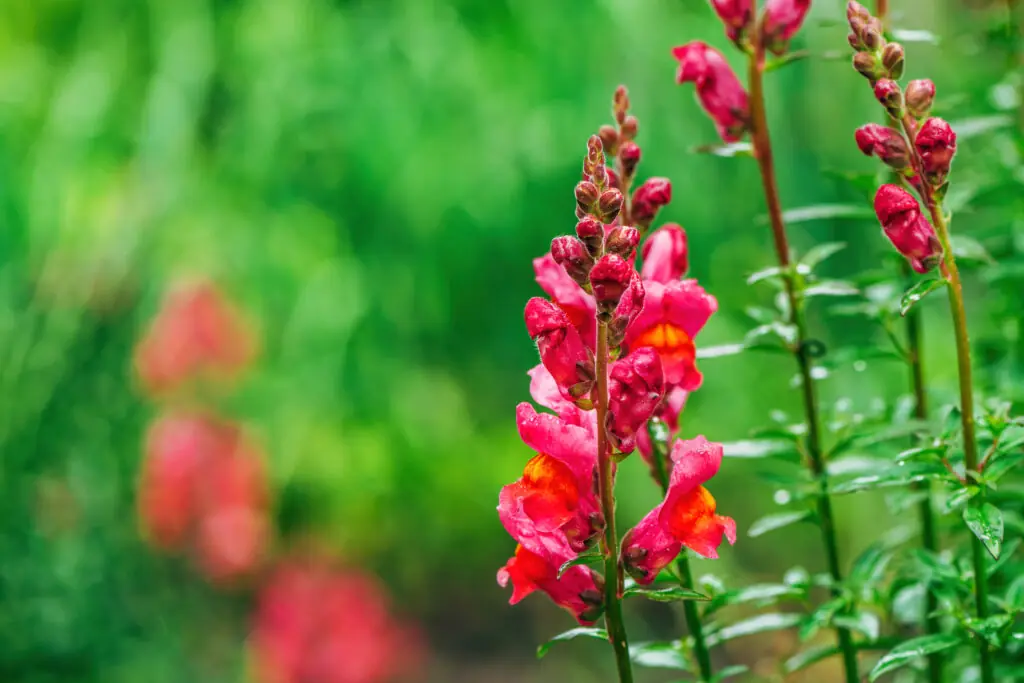
3. Snapdragons
Snapdragons are surprisingly resilient. They can bloom during mild Georgia winters and often re-bloom in early spring.
- Why they work: Tall, colorful spikes that look amazing in back rows.
- Bonus Tip: Pair them with lower-growing plants like violas for layering.
4. Camellias
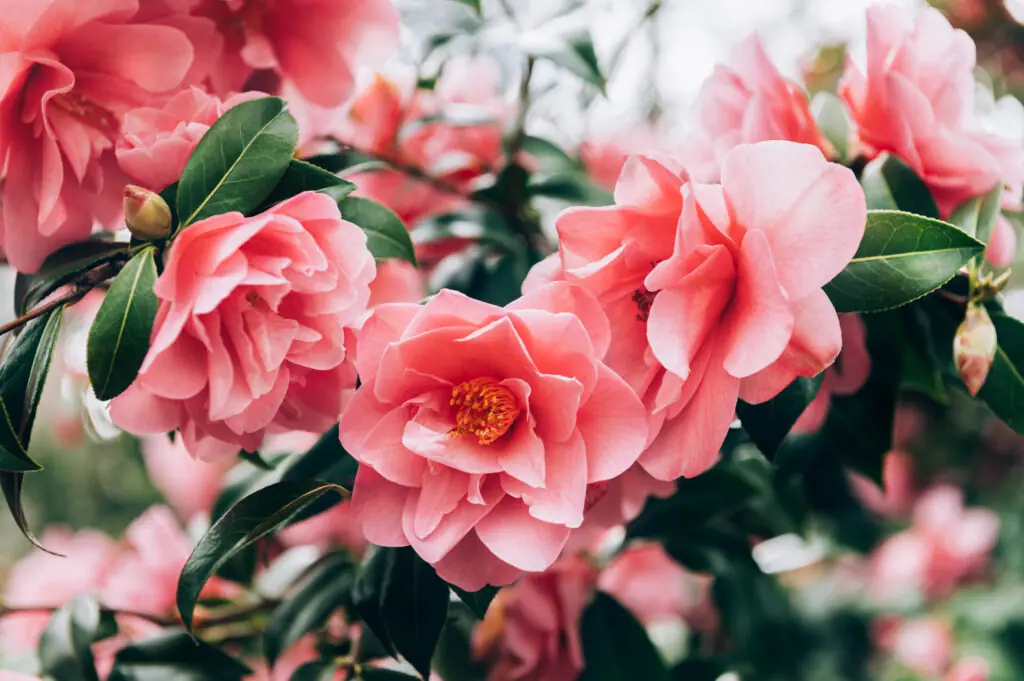
Talk about showstoppers. These flowering shrubs bloom in late fall through winter with rich red, white, or pink blossoms.
- Why they work: Evergreen leaves provide structure, and the flowers are drama queens (in the best way).
- Bonus Tip: Ideal for colorful winter landscaping in foundation beds.
5. Winter Jasmine
Not only does it bring sunny yellow blooms to the coldest months, but it also adds a whimsical, trailing texture.
- Why it works: Spills beautifully over retaining walls and borders.
- Bonus Tip: Great for seasonal garden color with minimal upkeep.
Know Your Zones: Georgia’s Winter Planting Conditions
Georgia’s USDA Hardiness Zones range from 6a in the north to 9a in the south, and Alpharetta sits nicely around Zone 7b. That means we get cold, but not too cold—perfect for vibrant winter blooms that can handle the occasional frost.
- Use soil testing to make sure your flower beds have the proper pH and nutrients.
- Don’t forget to mulch! It keeps roots warm and helps with moisture retention.
How to Care for Flowers in Georgia’s Winter
Sure, they’re tough—but even winter warriors need a little TLC. Here’s how to keep your blooms looking fab all season long:
➤ Water Smart
While there’s usually more moisture in the air during winter, your flowers still need water—just not as frequently. Use a watering schedule that adjusts based on rainfall.
➤ Deadhead Regularly
Removing spent blooms encourages new ones to form and keeps your garden looking tidy. It’s like giving your flowers a little haircut!
➤ Protect from Hard Freezes
If the temperature dips below 20°F, cover your plants with frost cloths or breathable blankets overnight. Even cold-hardy flowers appreciate a little extra care during extremes.
Winter Flower Bed Ideas to Try This Season

Want to make your landscape pop even more? Here are some creative ways to work winter flowers in Georgia into your existing setup.
Color Block Beds
Group flowers of similar hues together—think purple pansies with lavender snapdragons—to create bold, uniform sections.
Edging with Blooms
Use pansies and violas as soft, colorful borders around your walkways, patios, or driveways.
Layered Heights
Taller blooms like snapdragons in the back, middle heights like ornamental cabbage in the middle, and short-spreaders like violas in front? Chef’s kiss.
Containers Galore
Mix and match container garden ideas on your porch or patio. Easy to rearrange, easy to protect during cold snaps.
Don’t Forget the Lawn!
While you’re adding flowers, don’t let your grass get jealous. Winter is a great time to assess your lawn care routine, from soil nutrients to thatch control. A healthy lawn and a colorful garden? Now we’re talking curb appeal!
Ready to Plant Your Winter Garden? Let’s Make It Bloom!
Whether you’re dreaming of vibrant winter blooms or just want to add a splash of color to those gray Georgia days, now’s the perfect time to put your garden gloves on. At Weed Pro, we don’t just keep lawns lush—we help you keep every corner of your yard looking its seasonal best.
If you’re unsure where to start or want help designing a planting schedule that includes the best flowers to plant in Georgia, we’ve got your back. Our team knows Georgia’s unique winter climate inside and out—and we’re here to help your landscape thrive.
❓ FAQ: Winter Flower Power—Your Questions, Answered
How late into winter can you still plant flowers in Georgia?
Great question! In Georgia, you typically have until late December to get winter flowers in the ground—especially cool-weather champs like pansies, violas, and snapdragons. As long as the soil isn’t frozen solid and you’re planting cold-hardy flowers, they’ll adapt quickly and bring you joy throughout the season. Just make sure your flowers have enough time to establish roots before any unexpected hard freezes.
Will deer or animals eat your winter flowers?
Unfortunately, yes—winter flowers in Georgia can sometimes end up as snacks for local wildlife, especially in suburban neighborhoods like Alpharetta. Critters like deer, rabbits, and even squirrels are known to munch on colorful pansies, violas, and ornamental cabbage. To keep your blooms safe, consider planting deer-resistant varieties like snapdragons or hellebores. You can also use natural deterrents like aromatic herbs (think lavender or rosemary), motion-activated sprinklers, or pet-safe repellents. A little barrier planting goes a long way in protecting your winter curb appeal from curious garden grazers.
Can you grow winter flowers in containers instead of garden beds?
Absolutely! In fact, container gardens are perfect for Georgia winters. Containers offer flexibility—you can move them around to catch the most sunlight or bring them inside if temps dip too low. Just make sure your pots have good drainage and use a quality soil mix. Bonus tip: group containers together for a fuller, more colorful effect and to help insulate the roots from extreme cold.
Coming Up Next: Warm Weather Weeds Don’t Stand a Chance!
Want to stay ahead of seasonal yard problems before spring hits? Then don’t miss our next must-read: “Summer is Around the Corner: Get Weed Control in Atlanta, GA.“ It breaks down why proactive weed management is essential, especially in Georgia’s fast-changing climate. You’ll learn when to start, what to avoid, and why Weed Pro is your go-to team for keeping turf troubles at bay.