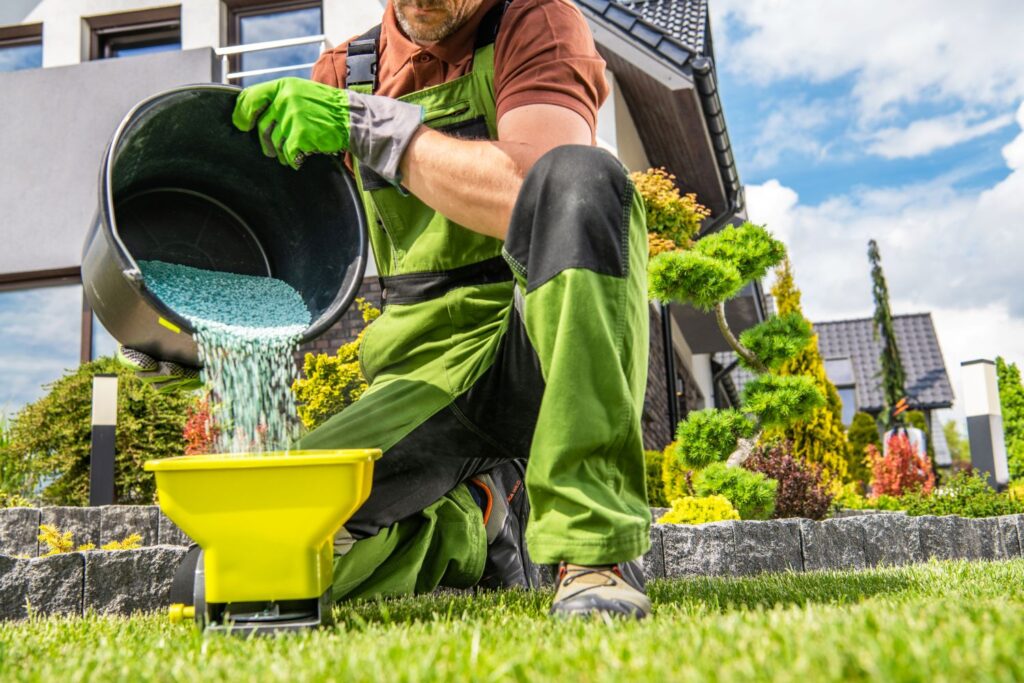
Let’s set the scene: You’re standing proudly with a spreader in one hand and a fresh bag of lawn fertilizer in the other, ready to turn your Alpharetta lawn into a glowing green paradise. But here’s the twist—what if your good intentions are actually hurting your grass?
Welcome to the wild world of fertilization mistakes. From over-fertilization to timing issues, there are several ways you can accidentally sabotage your turf. The good news? With a little guidance and a dash of common sense, you can keep your lawn lush, healthy, and far from the danger zone.
Let’s break down the biggest lawn fertilizer mistakes Alpharetta homeowners make—and how to avoid them like a pro (or better yet, like Weed Pro).
Mistake #1: Over-Fertilization – More Is Not Better
It’s tempting, right? You want a green lawn fast, so you pile on the product like it’s mulch. But when it comes to fertilizer, less is often more.
What Happens When You Overdo It?
- Nitrogen burn: Too much nitrogen can literally scorch your grass.
- Soil imbalance: Excess nutrients throw off the soil’s pH.
- Water pollution: Fertilizer runoff can affect local streams and lakes.
This is one of the most common rookie mistakes, especially among new homeowners who equate quantity with effectiveness. Stick to a proper fertilizer schedule and always follow the label instructions—or call in a pro who knows the turf science inside and out.
Mistake #2: Bad Timing – When You Apply Fertilizer Matters
Another major misstep? Treating your lawn at the wrong time of year or during the wrong weather conditions. Timing issues can make even the best fertilizer worthless—or worse, harmful.
Avoid These Timing Traps:
- Fertilizing right before a heavy rain (say goodbye to all those nutrients).
- Applying during droughts or heatwaves which stresses grass even more.
- Fertilizing too late in the fall promotes growth that won’t survive winter.
- Feeding cool-season grasses in summer can backfire big time.
Alpharetta’s climate calls for a thoughtful seasonal approach. Stick with fertilizer application tips that match your grass type and weather conditions.
Mistake #3: Skipping Soil Testing

Before you throw down that bag of nutrients, how do you know what your lawn actually needs? Spoiler: You don’t—unless you’ve done a soil test.
Why Soil Testing Matters:
- It shows nutrient deficiencies (or surpluses).
- It helps fine-tune your fertilizer schedule.
- It saves money by preventing unnecessary treatments.
- It improves long-term turf health.
Many Alpharetta homeowners are surprised to find their soil doesn’t need more nitrogen—it needs better pH balance or potassium. A simple test can be a game changer.
Mistake #4: Using the Wrong Type of Fertilizer
Not all fertilizers are created equal. Whether you’re using fast-release, slow-release fertilizer, organic blends, or synthetics, the wrong type can sabotage your lawn’s progress.
Common Misfires:
- Using high-nitrogen formulas too often = burning your lawn
- Neglecting phosphorus and potassium in favor of a quick green-up
- One-size-fits-all products that ignore your yard’s specific needs
We suggest letting lawn care pros recommend blends tailored to Alpharetta’s unique climate and soil profile. Trust us, the right mix makes a massive difference.
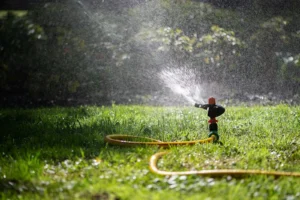
Mistake #5: Not Watering Properly After Application
Fertilizer needs water to work. Period. But not just any watering will do.
Common Watering Mistakes:
- Not watering at all, leaving granules to burn the grass.
- Overwatering, which washes fertilizer away before absorption.
- Watering too late, after the fertilizer’s already dried out.
To avoid lawn damage, follow the instructions and water thoroughly—but not excessively—within 24 hours of applying your fertilizer. If rain is forecasted, adjust accordingly.
Mistake #6: Ignoring the Warning Signs
If your lawn could talk, it would probably beg you to stop making these mistakes. But since it can’t, it shows you through visual cues—aka grass stress signs.
What to Watch For:
- Brown tips or yellowing grass
- Patchy, uneven color
- Wilting, even after watering
- Crusty granules still visible days later
These are all red flags that your lawn fertilizer game needs tweaking. Catching them early means faster lawn recovery and less long-term damage.
Let Weed Pro Help You Fertilize Without the Fuss

Feeling a little overwhelmed? You’re not alone. Fertilization may seem simple, but doing it right takes knowledge, timing, and precision. Luckily, you don’t have to go it alone.
At Weed Pro, we build custom fertilizer schedules for Alpharetta homeowners based on science, not guesswork. Our team will test your soil, select the right product, apply it with care, and monitor your results—all while keeping your yard safe for kids, pets, and barbecues.
Don’t gamble with your lawn. Let the pros handle it—reach out to Weed Pro and grow confidently.
❓ FAQ: Fertilizing Questions You Didn’t Know You Had
Can fertilizing too soon after mowing damage your lawn?
It can, depending on the conditions. Fertilizing immediately after mowing—especially with short grass—can increase the risk of nitrogen burn if granules hit exposed crowns. Ideally, wait a day or two after mowing to fertilize, and make sure the grass has been lightly watered beforehand for even distribution.
Do you need to change your fertilizer formula during a drought?
Yes! During drought conditions, switch to a slow-release fertilizer or reduce feeding altogether. Applying high-nitrogen products in dry weather can stress the turf and worsen browning. Focus instead on moisture retention and soil health until conditions improve.
Should you rake or sweep up excess fertilizer after applying?
If you notice significant buildup, especially on driveways or sidewalks, absolutely sweep it up! Leaving granules on hardscapes contributes to runoff and can waste products. Redistribute the excess evenly across your lawn to avoid waste and reduce pollution.
Coming Up Next:
Alpharetta Homeowners Guide: Organic vs. Synthetic Lawn Fertilizer Explained
Curious if your lawn would benefit more from organic or synthetic fertilizer? In our next article, we break down the pros, cons, and key differences to help Alpharetta homeowners make the best choice for their turf and their lifestyle.