Is your lawn dealing with compacted soil, and those annoying brown patchy lawn spots? Liquid aeration is an effective, no-mess solution that restores the structure of your soil, boosts microbes, and promotes deep, healthy root growth. This post will explain what liquid aeration is and how it works, the benefits of liquid aeration versus traditional core aeration, the benefits for Atlanta, Cumming, and Georgia lawns, the best application timing for Georgia grasses, and how WeedPro can help turn your yard into a vibrant lawn.
What Exactly Is Liquid Aeration and How Does It Boost Your Lawn’s Health?
Liquid aeration is a new lawn care method where a specialized solution is applied to the lawn to break up compacted soil, creating small passage channels for air, water, and nutrients to move more easily. This is a great method of addressing compacted soil and providing nutrients to a living world of beneficial microbes, resulting in better root access and stronger growth from the grass without disrupting the surface. Understanding how liquid aeration breaks up the compaction, how it works with its essential components, and that liquid aeration is safe for the environment will help you make informed choices for your lawn care.
How Does Liquid Aeration Effectively Tackle Soil Compaction?
Liquid aeration utilizes specialized surfactants to disrupt the binding between soil particles and humates, thereby enhancing organic aggregation. This allows the grass roots to grow more deeply and enables water to drain properly.
What Are the Essential Ingredients in Liquid Aeration Products?
- Surfactants enhance the even distribution and infiltration of the agents into compacted soils.
- Humates provide valuable organic carbon and act as the glue that holds soil particles together, supporting beneficial microorganisms to function synergistically.
- Micronutrients like iron and zinc help compensate for deficiencies in the turf, resulting in improved health.
Why Is Liquid Aeration Considered an Eco-Friendly and Family-Safe Option?
Liquid aeration allows for the re-establishment of symbiotic relationships between plant and soil because it is biodegradable materials and non-mechanical methods of application, creating a safe environment for your family and pets. Plus, it reduces runoff and minimizes disruption to beneficial organisms in the soil.
What Are the Top Advantages of Liquid Aeration for Lawns in Atlanta and Cumming, GA?
Because liquid aeration is designed specifically to address the challenges of Georgia soils, especially the compact red clay soils that are common in this area, it treats the soils to create a healthier turf by attacking the biology of the soil and the soil structure, applied for maximum effect and designed for the conditions local to the area.
How Does Liquid Aeration Improve Soil Structure and Boost Microbial Activity?
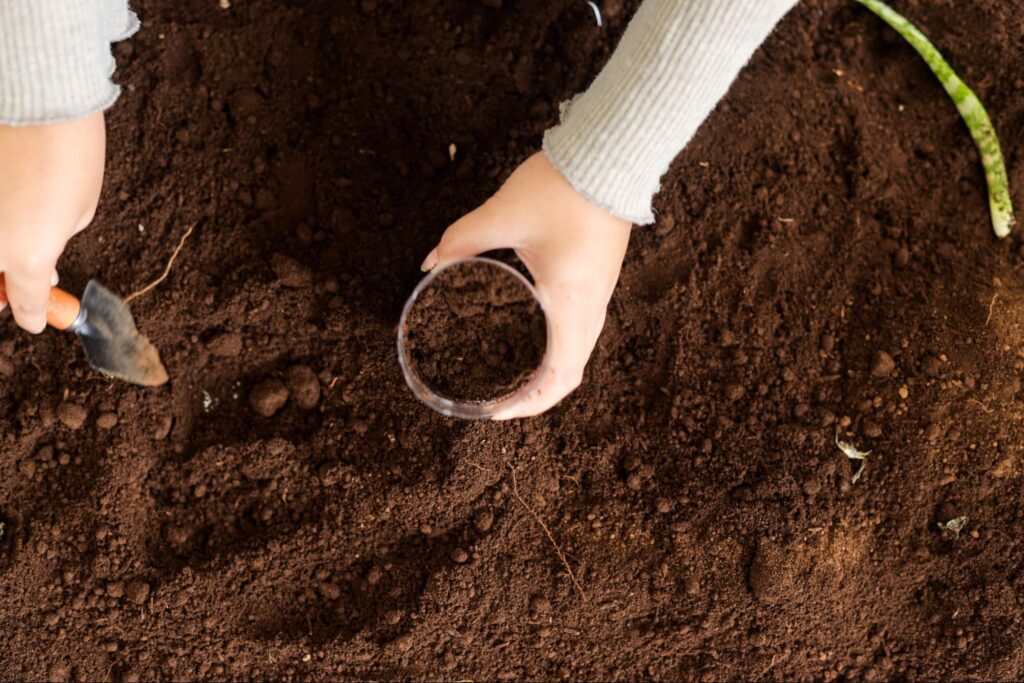
Since liquid aeration replaces the matter of humate carbon and food sources for beneficial microbes, it helps restore soil aggregates and increases the soil’s porosity, allowing for a stronger and healthier soil overall.
In What Ways Does Liquid Aeration Promote Deeper Root Growth and Better Nutrient Uptake?
By loosening and expanding micro-channels in the soil, liquid aeration promotes deep root growth that finds water and nutrients more easily, leading to a fuller and healthier lawn.
How Does Liquid Aeration Help Lawns Better Withstand Drought and Disease?
Improved drainage and balanced nutrition will make your turf less susceptible to heat stress and to the conditions that cause fungal diseases to develop.
Why Is Liquid Aeration Particularly Effective for Georgia’s Clay Soils?
The loosening action of surfactants provides lasting permeability in clay soils, addressing the heavy, impervious layers that may exist in yards throughout Atlanta and Cumming.
When Is the Ideal Time to Apply Liquid Aeration for the Best Lawn Health in Georgia?
Liquid aeration treatments should be timed to coincide with the natural growth cycles of your grass. This strategy provides you with the most benefit for your soil and turf throughout the year.
What Are the Recommended Application Times for Warm-Season Grasses?
For grasses such as Bermuda and Zoysia, liquid aeration should be used in the spring when growth is vibrant and your turf reaches its peak growth. This helps promote rapid root development.
When Should Cool-Season Grasses, Such as Fescue, Be Aerated?
If you have Fescue, liquid aeration should be applied in early fall. The cooler temperatures combined with the higher moisture factors in fall promote microbial activity and strong root systems.
How Often Should Liquid Aeration Be Applied for Ongoing Maintenance?
Liquid aeration typically should be applied every 4–6 weeks throughout the active growing portion of the lawn as a means to control compaction and manage nutrient replenishment to the soil.
Ready to Breathe New Life into Your Lawn?
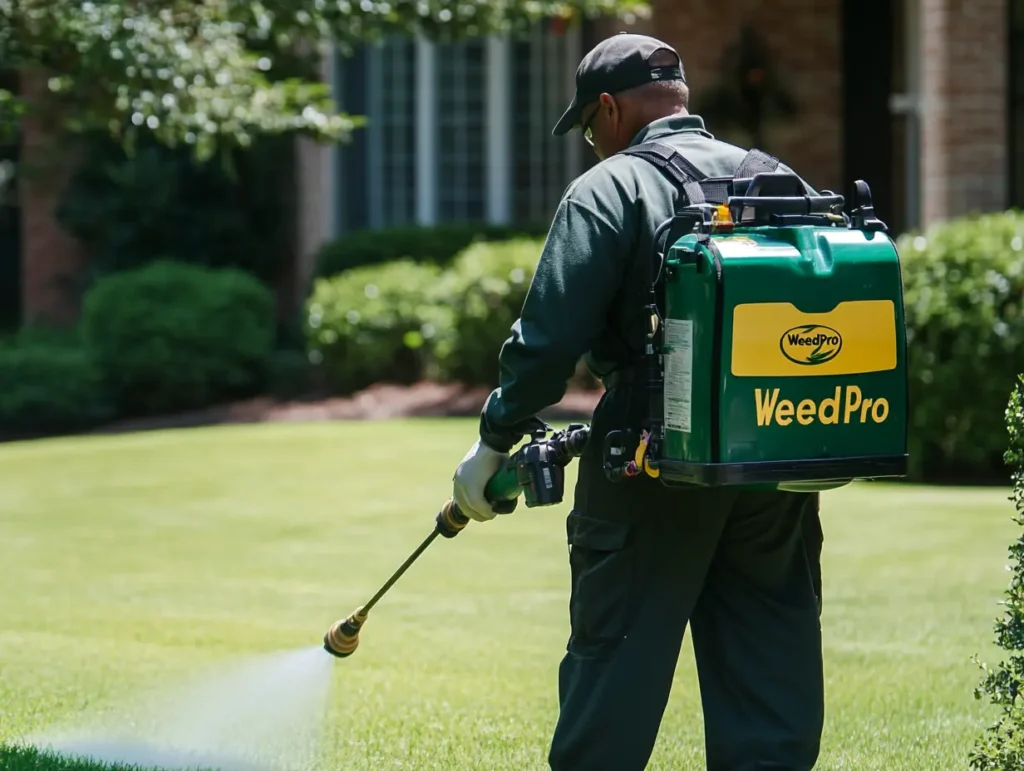
Liquid aeration is not a temporary fix; it reshapes the potential for roots to flourish, improves nutrient absorption, and increases accessibility to nutrients, all while avoiding debris or heavy machinery on your lawn. At Weed Pro, we bring professional care to your soil. Let’s promote a healthy turf again, below the surface. Contact us today to schedule your personalized soak-and-revive treatment.
Book your free assessment with Weed Pro today!
FAQ
How long after rain should you wait before aerating?
Ideally, wait 1–2 days—just enough for the soil to absorb water but not dry out. That softens the ground just right for maximum benefit.
Will liquid aeration fix thatch buildup?
It helps! While it doesn’t replace dethatching, it can soften thatch and enhance microbial breakdown when combined with top-dressing or overseeding.
Does aeration hurt existing turf?
Not at all. It creates space for growth. Expect minor yellowing initially, but that’s just the plant gearing up to bounce back thicker.
Up Next: Liquid Aeration Picks That Actually Deliver
Craving a DIY review on the best liquid aeration products? Our next installment—“Unlocking a Healthier Lawn: Top Liquid Aeration Products Reviewed“—will help you choose smart, not just green.