Key Takeaways
- Aeration is essential for combating Alpharetta’s dense clay soil, which restricts airflow, water absorption, and root expansion.
- Core aeration offers the deepest relief for compaction, while liquid aeration and spike aeration support lighter, seasonal needs.
- Timing matters: warm-season lawns (Bermuda/Zoysia) respond best to spring–early summer aeration; cool-season lawns (Fescue) thrive with fall aeration.
- Professional equipment delivers deeper cores, better consistency, and more effective results than DIY or rental machines.
Why Aeration Matters for Alpharetta’s Clay-Heavy Lawns
If you’ve lived in Alpharetta long enough, you’ve seen firsthand how stubborn the clay soil can be. It compacts quickly, blocks air and nutrients, and often results in runoff rather than deep absorption. When the soil becomes too tight, your grass simply can’t breathe. That’s where aeration comes in.
Aeration opens the ground, allowing oxygen, water, and nutrients to finally reach the root zone. This helps your turf grow deeper, stronger roots and bounce back from foot traffic, drought stress, and Georgia’s fluctuating seasons. Whether your yard is covered in Bermuda, Zoysia, or Fescue, the right aeration method can transform tired grass into a thick, vibrant lawn.
In the sections below, you’ll learn the differences between core, liquid, and spike aeration, and exactly when each one shines in Alpharetta’s soil.
The Top Aeration Methods for Alpharetta Lawns
Core, Liquid, and Spike Aeration: How They Compare
Each method tackles compaction differently and suits different grass types, soil densities, and seasonal needs.
| Method | How It Works | Best For |
| Core Aeration | Removes soil plugs with hollow tines | Heavy clay soil & moderate to severe compaction |
| Liquid Aeration | Applies a soil-conditioning liquid | Light compaction, early-season soil conditioning |
| Spike Aeration | Creates holes with solid metal tines | Surface-level relief, temporary drainage issues |
These techniques vary in how much they disturb the soil and how deeply they reach. Core aeration is the most aggressive and effective option, while liquid and spike aeration are ideal when you need lighter seasonal maintenance.
Core Aeration: The Gold Standard for Georgia Clay
What Makes Core Aeration So Effective?
Core aeration is the most recommended method for Alpharetta homeowners because it physically removes soil plugs, creating space for roots to expand. By lifting compacted clay, it opens channels for water and nutrients, reducing puddling after heavy rain.
What Homeowners Usually Notice After Core Aeration
- Faster drainage and fewer soggy spots
- Softer, looser soil texture
- Improved turf color and density within weeks
- Stronger root growth heading into summer heat or winter dormancy
Heavy clay lawns benefit the most from core aeration because it directly targets compaction and gives the roots room to breathe.
Spike Aeration: When Light Soil Relief Is All You Need
Spike aeration uses solid tines to “poke” holes into the soil. It doesn’t remove plugs, so it offers surface-level relief rather than deep loosening.
When Spike Aeration Makes Sense
- Your lawn has only minor compaction
- You want a quick tune-up between more intensive aeration services
- You’re dealing with temporary drainage issues after rain
- You’re maintaining newer turf that hasn’t compacted yet
Spike aeration is often used as follow-up care after core aeration to maintain airflow and drainage throughout the season.
Liquid Aeration: A Gentle Option for Seasonal Soil Conditioning
Liquid aeration applies a soil-conditioning product that helps loosen the soil structure over time. It’s non-disruptive, meaning your lawn still looks neat immediately after treatment.
Why Some Alpharetta Homeowners Choose Liquid Aeration
- Perfect for early-season soil prep
- Great for lawns just beginning to show compaction
- No soil plugs to clean up
- Can complement existing turf care programs
Liquid aeration doesn’t replace core aeration for heavy clay, but it’s a useful tool for long-term soil health and lighter maintenance.
When to Aerate Lawns in Alpharetta, GA
Timing is everything. Aeration works best during periods of strong root activity so the grass can recover quickly and take advantage of the improved soil structure.
Best Aeration Timing by Grass Type
| Grass Type | Best Months | Why It Works |
| Bermuda & Zoysia | April–June | Active warm-season root growth ensures fast recovery |
| Fescue | September–October | Cooler temps + warm soil = perfect conditions for thickening |
| All Lawns | Spring & Fall | Avoids extremes of Georgia heat or winter dormancy |
How North Georgia Weather Impacts Aeration Scheduling
Alpharetta weather can be unpredictable. Heavy spring rain may delay core aeration, while early fall usually provides warm soil with mild air temperatures, ideal for root development. Homeowners who monitor moisture levels, rainfall, and heat spikes tend to achieve the best aeration results.
Aeration Benefits at a Glance
- Improved water absorption — less runoff, fewer puddles
- Better nutrient uptake — fertilizers work more effectively
- Reduced thatch buildup — prevents disease and weak turf
- Enhanced drought resistance — deeper roots hold moisture
- Thicker, greener grass — especially visible after overseeding
Over time, lawns that receive annual aeration develop stronger, more durable root systems that handle foot traffic, pets, and weather stress with ease.
Professional Aeration vs. DIY: What’s the Real Difference?
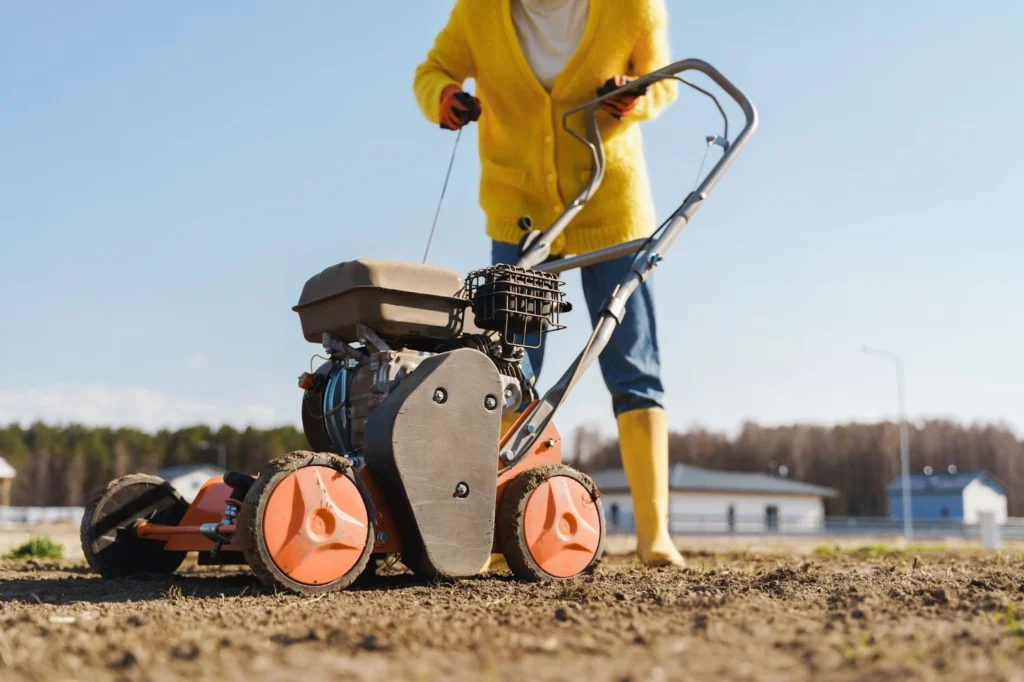
Many homeowners consider renting an aerator, but professional aeration typically produces far superior results.
Why Professional Aeration Wins Every Time
- Consistent plug depth and spacing
- Stronger, commercial-grade machines
- Knowledge of local soil patterns
- Ability to target problem zones (shaded areas, walkways, slopes)
Rental machines often produce shallow plugs or miss sections entirely, reducing the benefits. A trained technician ensures your lawn gets full, even coverage.
What Affects the Cost of Lawn Aeration in Alpharetta?
Aeration pricing varies depending on your lawn’s unique needs and the aeration method you choose.
Key Factors That Influence Pricing
| Factor | Impact on Cost | What to Know |
| Lawn Size | Larger lawns need more time & fuel | Square footage determines labor & equipment use |
| Core vs. Liquid | Core uses heavier machinery; more labor-intensive | Liquid is quicker but not for severe compaction |
| Additional Services | Overseeding, fertilization, weed control add cost | Bundled packages often provide the best value |
Make Aeration Your Lawn’s Best Friend, Weed Pro Has You Covered
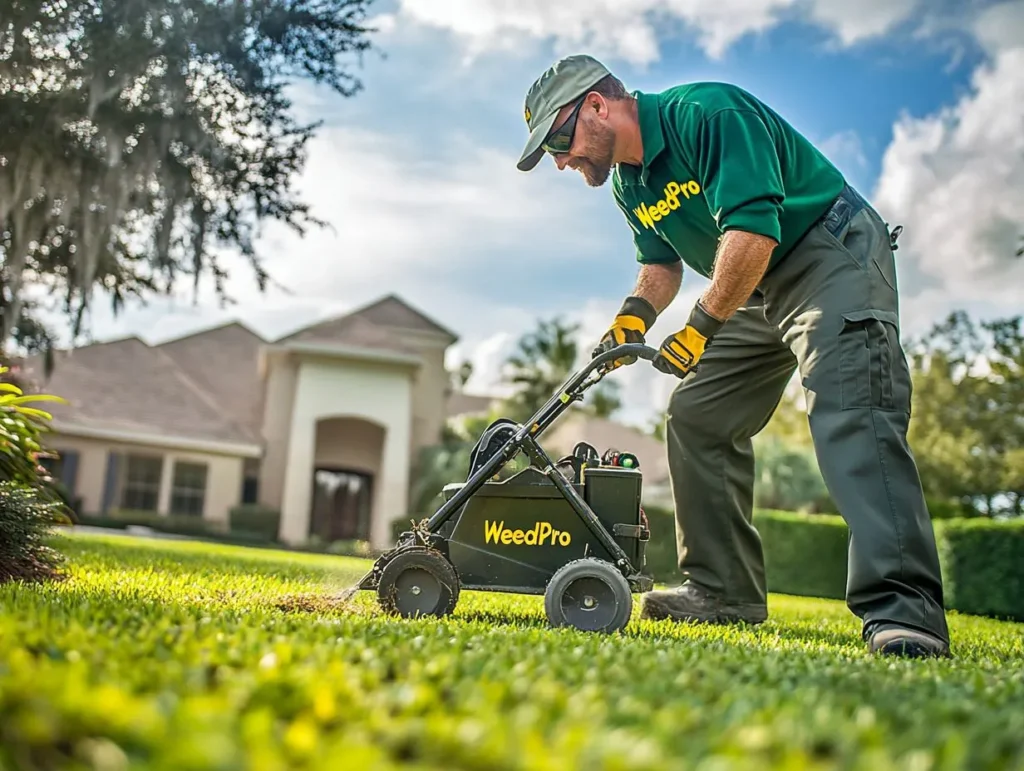
Alpharetta lawns face unique challenges, from heavy clay soil to changing seasonal conditions. Aeration is one of the most reliable ways to keep your grass healthy, lush, and resilient year-round. At Weed Pro, our experts match the right aeration method to your yard’s needs, using commercial-grade equipment and precise timing to boost root health and turf density.
Whether you want stronger Bermuda, a thicker Zoysia lawn, or a greener Fescue turf, we’ll build a customized aeration plan that delivers real results.
Contact us today and let Weed Pro transform your Alpharetta lawn into the standout yard of your neighborhood.
Frequently Asked Questions
How long does it take to see results after aeration?
Most homeowners begin noticing improvements within 1–2 weeks. If aeration is paired with overseeding or fertilization, results become even more noticeable as new growth thickens the turf.
Should you water after aeration?
Yes, watering after aeration helps nutrients travel deeper into the soil and supports new root development. Aim for consistent, light watering during the first week to encourage recovery.
Can aeration help with moss or weeds?
Absolutely. Moss and weeds thrive in compacted, poorly drained soil. Aeration improves airflow and drainage, making it harder for unwanted growth to spread while supporting thicker grass.
Want to Keep Improving Your Lawn? Read the Next Guide
ChatGPT said:
“Best Mulching Techniques for Weed-Free Flower Beds: How to Choose and Apply Mulch That Actually Stops Weeds.” It shows you how to choose the right mulch and apply it at the proper depth so weed seeds never get the light they need to grow, keeping your flower beds clean and low-maintenance.