If you’ve ever watched a freshly planted flower bed go from lush to lifeless in one summer, you know that Georgia’s heat doesn’t play around. And here in Alpharetta, where the seasons swing from steamy to stormy, you need a landscape that can keep up. That’s where Georgia climate plants come in—they’re your yard’s best bet for beauty, durability, and ease.
At Weed Pro, we help homeowners create stunning lawns and gardens using plants that don’t just survive Georgia’s conditions—they thrive in them. Whether you’re building a pollinator paradise or just want low-maintenance landscaping that won’t quit, this guide to plants that grow in Georgia has you covered.
So, what are the best plants to grow in Georgia? Let’s dig in!
1. Black-Eyed Susan
Alpharetta-Friendly Perennial Superstar
With sunny yellow petals and dark centers, Black-Eyed Susans bring cheer to any yard. These native wildflowers love full sun and tolerate drought like champs. Bonus: they’re pollinator-attracting garden heroes, drawing bees and butterflies in droves.
- Why they work in Alpharetta:
- They love Southern sun plant conditions and thrive in Georgia gardening zones 7–8.
- Best for: Low-maintenance flower beds, borders, and wildflower gardens.
2. Muhly Grass
The Featherweight Showstopper
When you’re designing with texture in mind, Muhly Grass is a must-have. This drought-resistant perennial bursts with airy pink plumes in the fall and needs virtually no babying.
- Why it belongs in your yard:
- It’s tough, heat-tolerant, and adds architectural drama without the upkeep.
- Best for: Garden backdrops, modern landscapes, and hardy groundcovers.
3. Oakleaf Hydrangea
Georgia’s Favorite Shade-Tolerant Shrub
If you’re dealing with dappled light or partial shade, the Oakleaf Hydrangea is a game-changer. With oversized white blooms and stunning fall foliage, it’s both ornamental and easygoing.
- Why it shines in Alpharetta:
- Native to the Southeast, it handles Georgia’s humid summers and doesn’t mind a little clay.
- Best for: Woodland borders, shade-tolerant shrub sections, and foundation planting.
4. Lantana
Bold Blooms Built for the Heat
Looking for nonstop color? Lantana serves it up with bright clusters in shades of red, orange, pink, and yellow. It’s one of the best outdoor plants for Georgia because it practically laughs in the face of triple-digit temps.
- Why it rocks in full sun:
- Heat-tolerant Georgia landscaping needs plants that can take the heat—Lantana delivers with continuous blooms and low water needs.
- Best for: Pots, hanging baskets, and curb appeal that pops.
5. Butterfly Weed (Asclepias tuberosa)
The MVP of Pollinator Plants
You can’t have a pollinator-attracting garden without a nod to Butterfly Weed. This vibrant orange bloomer is a must-have for Monarch butterflies and thrives in Georgia’s well-drained soils.
- Why Georgia loves it:
- It’s a native Georgia landscape shrub that needs minimal care but offers significant ecological benefits.
- Best for: Pollinator gardens, naturalized plantings, and bright border accents.
6. Coral Bells (Heuchera)
Small Plant, Big Personality
Want a plant that loves partial shade but still brings a splash of color? Coral Bells fit the bill. With foliage in hues of lime, burgundy, and even silver, it brings flair and function to any Alpharetta garden.
- Why it stands out:
- It plays well with others in mixed beds and tolerates the Georgia climate beautifully.
- Best for: Seasonal flowering plants, front-of-border color, and containers.
Bonus Round:
These honorable mentions also hold their own in Alpharetta:
- Coneflower (Echinacea) – Loves sun, resists drought, and attracts pollinators.
- Boxwood – Evergreen structure with timeless appeal.
- Yarrow – Great for dry areas, blooms long into summer.
- Azaleas – Spring stunners that thrive in shady areas.
What Makes a Plant Georgia-Approved?
It’s not just about the looks—it’s about how well a plant performs under pressure. Georgia climate plants need to stand up to:
- Humidity & heat stress
- Sudden cold snaps in early spring or late fall
- Clay-heavy soil
- Inconsistent rainfall
- Intense sun exposure
That’s why we always recommend low-maintenance plants for Alpharetta that are built for resilience and sustainability. Choosing the right plants from the get-go means less watering, fewer replacements, and a yard that stays gorgeous year-round.
Landscape Smarter, Not Harder: Tips for Success
So you’ve picked your plants—now what? Keep these garden-savvy tips in mind to make sure your landscape is living its best life.
Match Sunlight Needs to Placement
Don’t stick a shade-tolerant shrub in a hot, dry corner. Give each plant a home that matches its preferences.
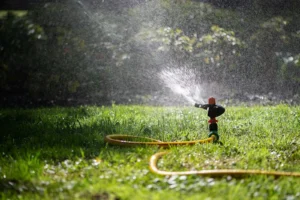
Water Deep, Not Daily
Drought-resistant perennials thrive with deep but infrequent watering. This promotes deep root growth and healthier plants.
Mulch Like a Pro
A good mulch layer helps retain moisture, regulate temperature, and prevent weeds—essential in Georgia’s hot summers.
Prune and Deadhead Strategically
Boost blooming with some regular grooming. Just don’t overdo it—especially in the heat.
Know Your Zone
Alpharetta sits in USDA Zone 7b to 8a, so choose plants suited for this range. Most plants that grow in Georgia will thrive here with the right care.
🌼 Ready to Grow a Landscape That Actually Lasts?
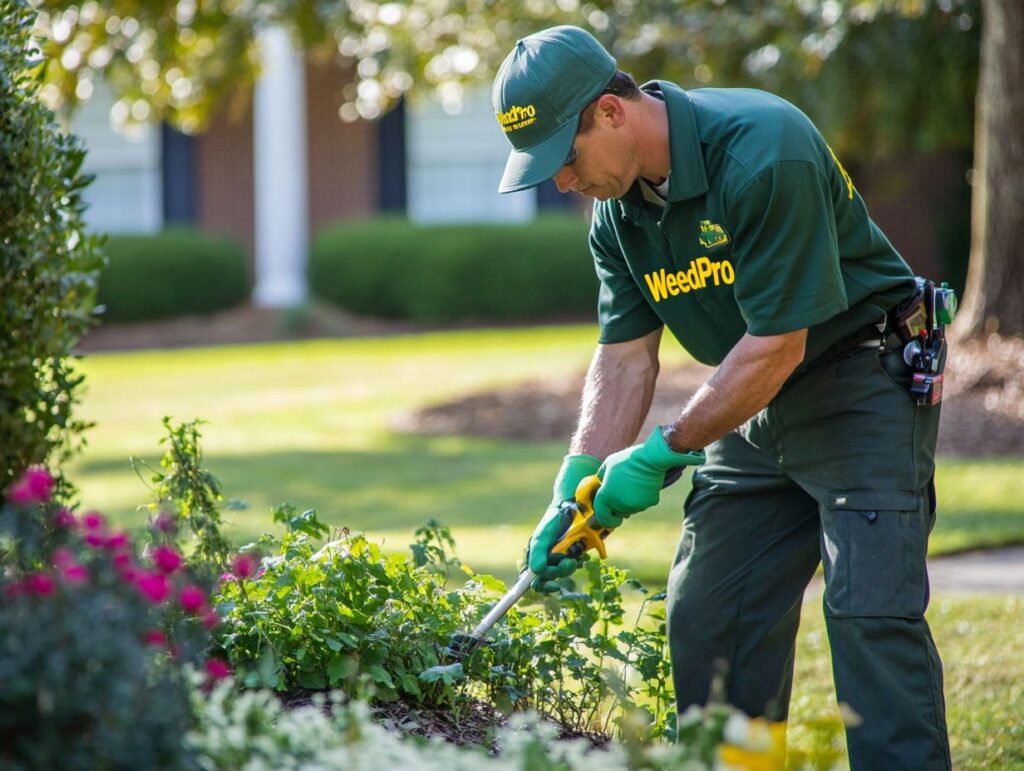
Whether you’ve got a blank slate or just need a refresh, Weed Pro is your go-to guide for smarter planting, stronger landscapes, and low-maintenance lawn living. Our experts help you choose, place, and care for plants that don’t just look good—but are built for the Georgia grind.
Reach out to schedule a consultation today—and let’s make your dream yard a real thing.
FAQ: Digging Deeper into Georgia-Friendly Landscaping
Can you grow lavender in Alpharetta, or is it too humid?
Yes, you can grow lavender in Alpharetta, but you’ll want to select heat-tolerant, humidity-resistant varieties like Lavandula x intermedia. Be sure to plant it in well-drained soil with full sun and avoid overwatering—lavender doesn’t like wet feet. Raised beds or sandy amendments can help combat excess moisture in Georgia clay.
What’s the best planting month for perennials in Georgia?
Fall is often the ideal time to plant perennials in Georgia. The soil is still warm, which encourages strong root development, and the cooler air reduces transplant stress. This head start means they’ll be more established by spring and better able to handle the summer heat.
Are all native Georgia plants automatically low maintenance?
Not always. While many native plants are better adapted to local conditions, some still require specific soil types, light levels, or pruning schedules. It’s best to research individual species—or work with a local pro—to ensure your picks truly meet your maintenance goals.
👉 Up Next
Can’t get enough green goodness? There’s plenty more to explore. Head to Weed Pro’s blog for even more expert tips, tricks, and turf wisdom.