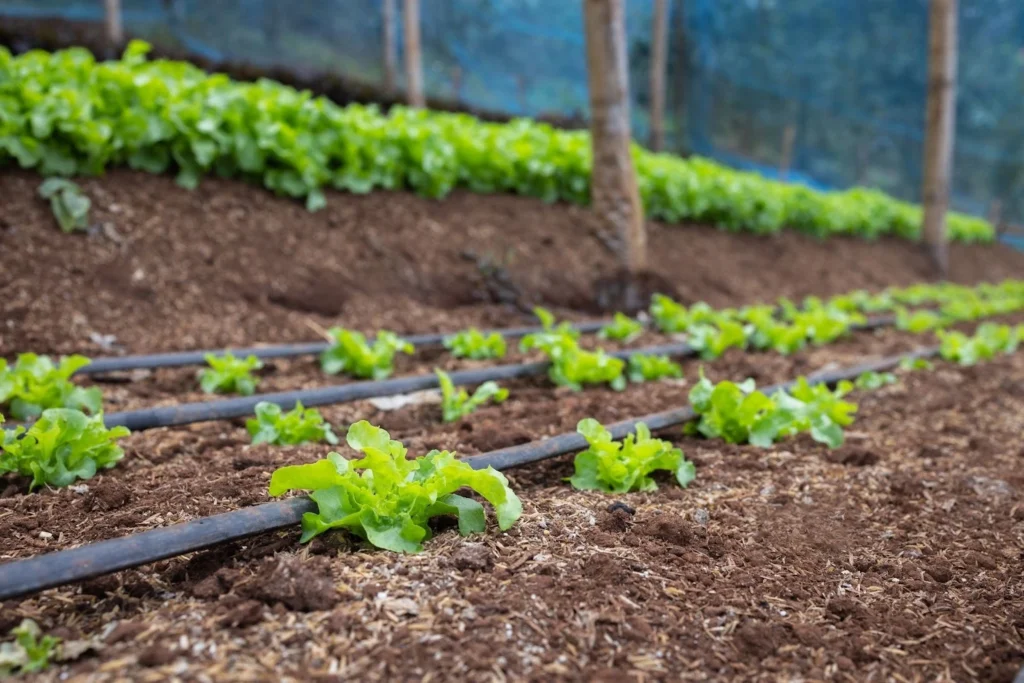
Key takeaways
- Most drip problems come from three things: pressure issues, clogs, or poor zone design
- If plants look uneven, test pressure and flow before replacing parts
- Filters and pressure regulators prevent more failures than any “upgrade” emitter does
- Flushing lines at spring startup and checking filters monthly solves a huge percentage of issues
- When multiple zones struggle at once, the root cause is usually design or supply, not one bad emitter
Why Drip Irrigation Fails Even When the System Looks “Fine”
Drip irrigation is efficient because it delivers low-volume water directly to the root zone, but that also means minor problems show up fast. A slightly clogged filter, a missing pressure regulator, or a zone that is too long can turn into stressed plants, dry patches, or constant repairs. The good news is that the most common drip irrigation mistakes are easy to diagnose once you know what to look for.
Below are the most frequent failure points, what they look like in the yard, and how to fix them without guessing.
Mistake 1: Ignoring Pressure Problems Until Plants Start Struggling
What it looks like
- Plants near the beginning of a line look fine, but plants at the end look dry or weak
- Some emitters drip normally, while others barely output anything
- Tubing bulges, emitters pop off, or fittings start leaking
What usually causes it
- No pressure regulator, or the wrong regulator for the emitter type
- Partially closed valves or a clogged filter restricting flow
- Zones that are too long, uphill, or overloaded with too many emitters
- Supply pressure that fluctuates (common when irrigation runs alongside household use)
Practical fixes that actually help
- Add a pressure regulator at the zone inlet matched to your emitter requirements
- Clean the filter first before replacing emitters
- Shorten or split long zones so the far end isn’t starving for pressure
- Use pressure-compensating emitters in areas with elevation changes or long laterals
| Weed Pro Lawn Care: Local Lawn & Outdoor Pest Experts Reliable Service Backed by Results You Can See Choose the Right Lawn Care Solution for Your Property: –Complete Lawn Care Programs: Ongoing, customized lawn care plans designed to strengthen turf, improve soil health, and reduce weeds. –Targeted Weed & Pest Control: Focused solutions for persistent lawn weeds, invasive pests, and seasonal pressures such as mosquitoes and surface insects. –Irrigation & Lawn Health Support: Professional support for irrigation efficiency, aeration, overseeding, and soil conditioning to improve water absorption, reduce runoff, and help lawns recover from compaction, disease, or environmental damage. Customer Praise:“I had two other lawn care companies let me down on my yard. One, I caught on camera staking my yard without ever getting the hose out to treat it. The other couldn’t get my weed issue under control in almost a year of treatments. WeedPro came in, and within 2 treatments my yard looked perfect. I can’t recommend these folks enough. Great communication, they truly are experts of yard management. Couldn’t be happier.” – Casey B. Why Homeowners Choose Weed Pro Lawn Care: -Locally owned and operated, serving North Georgia communities -Experienced technicians trained in region-specific lawn and pest challenges -Customized service plans based on property conditions, not one-size-fits-all programs -Environmentally responsible treatments with a focus on long-term lawn health -Clear communication, reliable scheduling, and service you can trust Schedule your Service Today! |
Mistake 2: Treating “Dry Spots” Like a Watering Schedule Problem
Many homeowners respond to dry spots by increasing runtime. That can make the healthy areas too wet while the problem areas stay dry, often leading to disease or root issues.
What it looks like
- One or two plants are consistently dry, even when the rest of the zone is fine
- Mulch stays dry right under one emitter, while others soak normally
What usually causes it
- A clogged emitter, kinked tubing, or a crimped fitting near that plant
- Debris introduced during installation that slowly builds up at a choke point
- Mineral scale buildup (more common with specific water sources)
Practical fixes that actually help
- Flush the line using the end cap or flush valve (if you have one)
- Replace the clogged emitter instead of trying to “revive” one that’s heavily scaled
- Upgrade to better filtration if clogs keep returning
- Keep spare emitters on hand so you can swap quickly instead of losing plants
Mistake 3: Skipping Filtration (Or Using the Wrong Filter)
Filters are not optional on drip systems. Even if your water looks clean, tiny particles and biofilm can clog emitters over time.
What it looks like
- Multiple emitters clog in the same zone over and over
- Output slowly declines across a zone rather than failing at one spot
What usually causes it
- No filter installed, or a filter that is too coarse for the emitters being used
- The filter is installed but never cleaned, so it becomes a restriction
- Organic buildup in lines from stagnant water and heat
Practical fixes that actually help
- Clean the filter before you touch anything else
- Set a simple routine: quick filter checks during the season, deeper clean at spring startup
- If you’re constantly battling clogs, a better filter setup is usually cheaper than constant emitter replacement
Mistake 4: Poor Emitter Placement That Never Matches the Plant
Even with perfect pressure and clean water, drip can fail if the water isn’t landing where the roots actually are.
What it looks like
- The plants look thirsty even though the emitters are running
- Water is concentrated on one side of a shrub, while the rest stays dry
- Trees look stressed because the water is too close to the trunk and never reaches the feeder roots
What usually causes it
- Emitters are placed too close together, creating a tiny over-wet spot and shallow roots
- Emitters are placed too far apart, leaving significant areas dry
- Not adjusting emitter placement as plants mature and root zones expand
Practical fixes that actually help
- Think in terms of root zone coverage, not “one emitter per plant.”
- For shrubs and larger plants, multiple emitters spaced around the canopy dripline usually work better than one high-flow emitter
- For beds and groundcover, dripline (inline tubing) often delivers more uniform coverage than individual point emitters
Mistake 5: Mixing Different Water Needs Into One Zone
This is one of the most expensive design mistakes because it forces you to choose a schedule that is wrong for at least half the zone.
What it looks like
- Some plants are always too wet, while others always look too dry
- You keep adjusting runtimes, but can’t get the entire area happy
Practical fix that actually helps
- Re-zone by water need and exposure, so each zone can run the schedule it actually requires
- If rezoning isn’t possible immediately, reduce damage by using lower-flow emitters in the “low water” areas and higher-flow emitters where needed
A Simple Seasonal Maintenance Plan That Prevents Most Problems
Spring startup
- Flush the lines before you rely on the system for daily watering
- Clean filters and check that regulators are installed and functioning
- Run each zone and walk it, looking for weak emitters and leaks
Mid-season upkeep
- Do quick monthly walk-through checks while zones are running
- Clean filters on a regular cadence (more often if you have sediment or older plumbing)
- Replace any crushed, kinked, or sun-damaged tubing before it fails completely
Fall and winter prep
- Drain or protect exposed components when temperatures dip
- Shut off and depressurize zones that won’t run during colder periods
- Take notes on any zones that struggled so you can correct zoning or pressure issues before next season
Fix Drip Irrigation Problems Before They Turn Into Costly Repairs
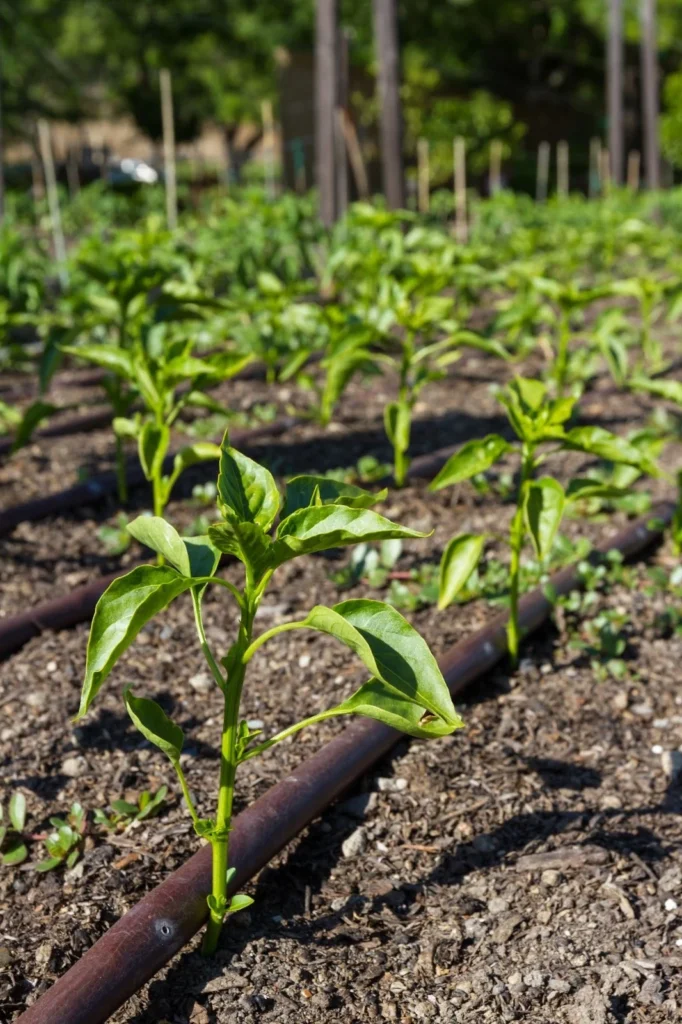
Minor drip irrigation issues rarely stay small for long. Clogged emitters, pressure problems, and poor layout can quietly stress plants, waste water, and shorten the life of your system if left unaddressed. Routine inspections and targeted fixes help maintain even water delivery and protect your landscape investment. Weed Pro Lawn Care provides drip irrigation inspections and maintenance services tailored to Atlanta and North Georgia conditions, helping homeowners address issues before they lead to plant loss or costly repairs.
Contact us today to schedule a system check and get clear guidance on what your drip system needs to perform reliably.
FAQ
What causes uneven watering in drip irrigation systems?
Uneven watering is commonly caused by pressure imbalance, clogged emitters, or poor system layout. Long runs, elevation changes, or missing pressure regulators can make some areas receive more water than others. Identifying the root cause early prevents plant stress and recurring maintenance issues.
How often should drip irrigation systems be flushed?
Most drip systems should be flushed at least once per season to remove sediment and debris. Systems using well water or water with higher mineral content may need more frequent flushing. Regular flushing helps prevent clogs and extends the lifespan of emitters and tubing.
When should you call a professional for drip irrigation issues?
If problems persist after basic maintenance, such as flushing or emitter replacement, professional help is recommended. Pressure issues, repeated clogs, or poor system design often require specialized tools and experience. A professional assessment can prevent trial-and-error repairs that waste time and water.
Continue : Why Seasonal Sprinkler Adjustments Matter in Cumming, GA
Next, read “Why Seasonal Sprinkler Adjustments Matter in Cumming, GA: Efficient Irrigation and Healthier Lawns“.