Key Takeaways
- Soil testing is the “blueprint” of lawn care; without real numbers for pH, nutrients, and organic matter, you’re mostly guessing with fertilizer and lime.
- DIY soil kits are quick and cheap, but they’re limited in what they measure and can be very easy to misread, especially for nutrients beyond basic pH.
- Professional lab testing is far more precise, using calibrated equipment, standardized sampling, and expert interpretation, critical for Georgia’s naturally acidic, often clay-heavy soils.
- Lab results translate into clear, step-by-step plans for lime, fertilizer, and soil amendments, helping you avoid wasted products and repeated “fixes” that don’t work.
- Partnering with a local pro like Weed Pro Lawn Care means you’re not just handed a lab report, you get a tailored treatment plan and ongoing support for Stone Mountain and North Georgia lawns.
Why Soil Testing Matters for Georgia Lawns
If your lawn is always a little disappointing, thin, yellowing, or full of weeds, no matter what you spread, chances are the problem is in the soil, not on the surface.
In Georgia, many lawns are planted on acidic, clay-rich soils. That combination can:
- Lock up nutrients even when you’re fertilizing
- Hold water at the surface, yet still dry out quickly in heat
- Compact easily and limit root growth
Without a soil test, you can’t see:
- Whether pH is too low (or too high)
- Which nutrients are actually missing
- How much organic matter the soil has to work with
That’s why a test, DIY or professional, is the starting point for any serious lawn plan. The question isn’t “Should I test?” but “How accurate do I need this test to be for the problems I’m seeing?”
The Soil Factors That Really Drive Lawn Health
Healthy turf depends on a handful of measurable soil properties. When one (or more) is out of balance, grass struggles and weeds move in.
Core Soil Metrics to Pay Attention To
- pH – Controls how available nutrients are to the grass roots
- N-P-K (Nitrogen, Phosphorus, Potassium) – Drives growth, color, rooting, and stress tolerance
- Organic Matter – Affects structure, moisture holding, and nutrient retention
- Texture (sand/silt/clay) – Influences drainage and compaction
- Compaction – Limits root depth, water movement, and oxygen
Here’s how those pieces typically show up in Georgia lawns:
| Soil Metric | Typical Range (Georgia) | Implication for Lawn | Common Fix |
| pH | Often acidic (low) | Reduced phosphorus availability, yellowing | Lime application per lab recommendation |
| Nitrogen (N) | Variable seasonally | Thin, pale turf when low | Specialty fertilizer timing and rate |
| Phosphorus (P) | Often adequate to low | Poor root development if low | Apply phosphorus only when soil test indicates |
| Potassium (K) | Often low in sandy areas | Lower stress tolerance | Balanced potassium fertilizer as directed |
| Organic matter | Often low in urban soils | Poor structure and moisture retention | Compost/topdressing and aeration |
*Exact rates and products should follow soil test recommendations; guessing is where most DIY efforts go wrong.
Professional Soil Testing: How It Works and Why It’s More Reliable
Professional soil tests don’t rely on color strips and guesswork. They follow a consistent process from sampling to recommendations, which is what makes them more trustworthy.
What Professional Labs Do Differently
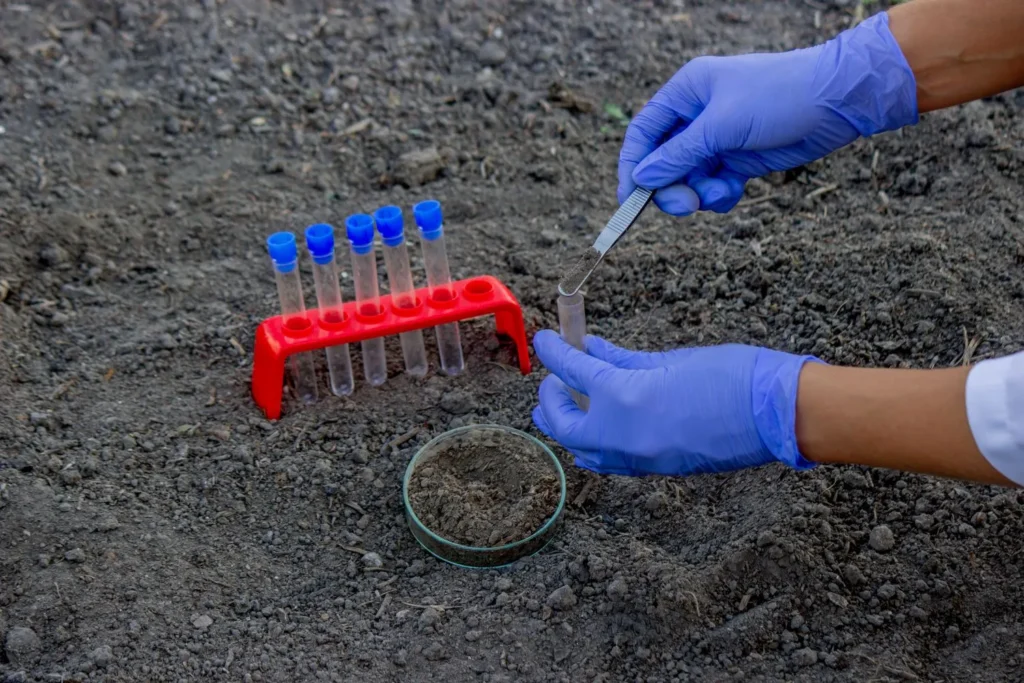
- Composite sampling – Multiple cores from different spots are blended to ensure your sample represents the whole lawn, not just one random patch.
- Instrument-based analysis – pH, nutrients, and organic matter are measured with calibrated lab equipment, not just color charts.
- Quality control – Labs run standards and duplicates to catch errors before they ever reach your report.
- Expert interpretation – Results are translated into recommendations that make sense for turf, not corn or soybeans.
The result is a report that doesn’t just say, “Your soil is acidic.” It says, “Apply X pounds of lime per 1,000 square feet this year, then retest,” and backs that up with data.
| Weed Pro Lawn Care: Local Lawn & Outdoor Pest Experts Reliable Service Backed by Results You Can See Choose the Right Lawn Care Solution for Your Property: –Complete Lawn Care Programs: Ongoing, customized lawn care plans designed to strengthen turf, improve soil health, and reduce weeds. –Targeted Weed & Pest Control: Focused solutions for persistent lawn weeds, invasive pests, and seasonal pressures such as mosquitoes and surface insects. –Irrigation & Lawn Health Support: Professional support for irrigation efficiency, aeration, overseeding, and soil conditioning to improve water absorption, reduce runoff, and help lawns recover from compaction, disease, or environmental damage. Customer Praise:“Met with Jalen today, extremely personable and knowledgeable. Generously took time to help explain everything happening with my lawn and answered all of my questions. Extremely hard to find services these days who are passionate to really help out their consumers, 10/10 service” – Andrew S. Why Homeowners Choose Weed Pro Lawn Care: -Locally owned and operated, serving North Georgia communities -Experienced technicians trained in region-specific lawn and pest challenges -Customized service plans based on property conditions, not one-size-fits-all programs -Environmentally responsible treatments with a focus on long-term lawn health -Clear communication, reliable scheduling, and service you can trust Schedule your Service Today! |
DIY Soil Test Kits: Where They Help (and Where They Don’t)

DIY soil kits have their place. They’re cheap, fast, and good for quick snapshots, especially for pH. But they’re limited, sometimes very limited.
Where DIY Kits Can Be Useful
- Quick check to see if your soil is roughly acidic or neutral
- A basic sense of whether there might be some nutrient imbalance
- A temporary tool between professional tests
Where DIY Kits Often Fall Short
- Results depend on lighting and the interpretation of color charts
- Many kits don’t measure organic matter, texture, or micronutrients
- They usually don’t come with Georgia-specific recommendations
- Readings can vary from test to test, even when the soil didn’t change
Here’s a simple side-by-side:
| Approach | Characteristic | Typical Outcome |
| DIY soil test kit | Low cost, quick pH or nutrient spot-check | Useful for basic pH checks but limited guidance |
| Professional laboratory test | Standardized sampling, instrument analysis, QA/QC | Accurate nutrient and organic matter readings with actionable recommendations |
| In-field professional analysis | On-site composite sampling plus lab confirmation | Faster preliminary diagnosis with lab verification for final plan |
For small, minor issues, DIY can be a helpful starting point. For stubborn, widespread, or expensive problems, it’s usually worth stepping up to lab-backed testing.
Turning Soil Data into a Real-World Lawn Plan
A soil test is only as good as what you do with it. Professional testing shines here because it connects numbers to specific actions.
Using pH and Nutrients to Guide Treatment
- If pH is too low, you’ll know exactly how much lime to apply per 1,000 sq ft.
- If phosphorus or potassium is low, you’ll get targeted fertilizer recommendations instead of generic “complete” products.
- If organic matter is low, you’ll know when to prioritize topdressing and aeration over yet another round of fertilizer.
For Stone Mountain and North Georgia lawns, that often means:
- Raising pH gradually on naturally acidic clay soils
- Timing fertilizers to warm-season grass cycles (Bermuda, Zoysia)
- Balancing inputs so grass gets what it needs without overloading the soil
A professional interpretation keeps you from applying products “just because it’s spring” and instead focuses on what your lawn is actually missing.
When a Professional Soil Test Makes More Sense Than DIY
You don’t need a lab test for every little thing, but there are clear situations where professional testing is the smarter move.
Situations That Usually Call for Professional Testing
- Persistent yellow or brown areas that don’t respond to regular feeding
- Weeds are winning the battle despite good mowing and irrigation habits
- New construction or fill dirt where you don’t know what’s in the soil
- Renovation or major repair plans, like overseeding, resodding, or full lawn restoration
If you’re about to spend real money on seed, sod, or repeated treatments, it makes sense to spend a little upfront on accurate soil data. That way, you’re not building a new lawn on old problems.
Why Work with Weed Pro Lawn Care for Soil Testing in Stone Mountain & North Georgia?
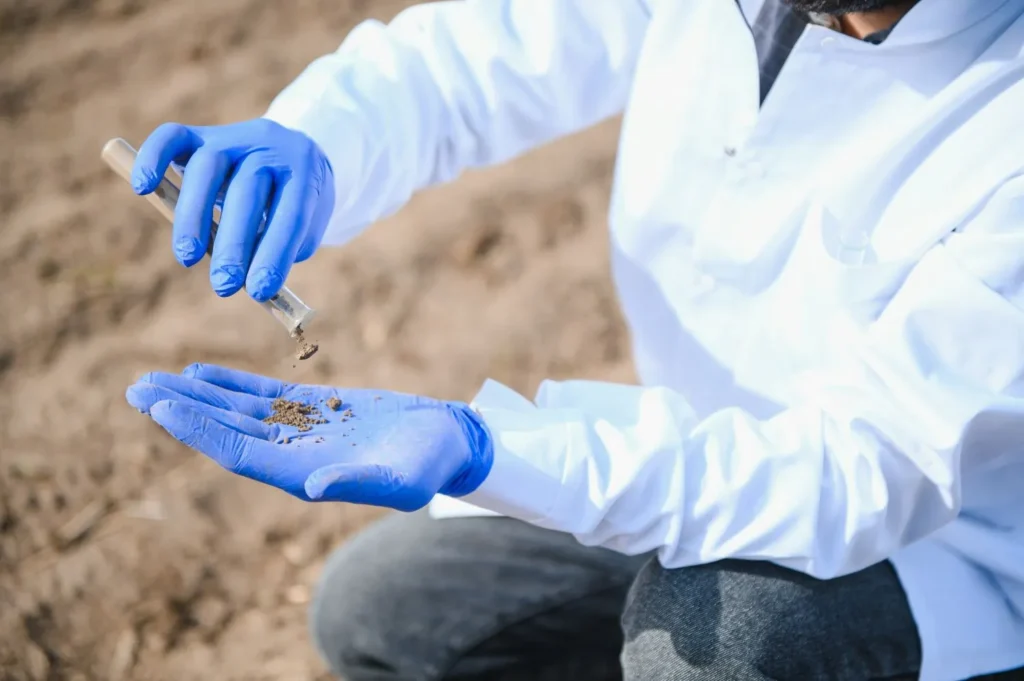
Weed Pro doesn’t just drop off a test kit and wish you luck. As a locally-owned company, they combine:
- Representative sampling tailored to your property layout
- Accredited lab testing focused on turfgrass needs
- Georgia-specific recommendations for clay-heavy, often acidic soils
- Integrated plans that tie soil results to fertilization, weed control, aeration, and irrigation
You’re not stuck trying to translate lab jargon into store-bought products. Weed Pro builds a step-by-step program tailored to your results and grass type.
If you’re tired of guessing with bags from the big-box store, contact us today to schedule professional soil testing and get a tailored lawn plan for your Stone Mountain or North Georgia property. We’ll turn your soil numbers into clear next steps so every application you make actually moves your lawn in the right direction.
Frequently Asked Questions
How often should you have a professional soil test done?
For most established lawns, every 2–3 years is enough. If you’re making big corrections (like major lime applications) or have just completed a renovation, testing a bit sooner can confirm that your efforts are working.
Can you still use DIY kits if you’ve had a professional test?
Yes. Think of DIY kits as a light check-in between professional tests, especially for pH. Just don’t use them to override lab results, and be cautious about making big decisions based only on color-strip readings.
How long does it take lime or sulfur to change your soil pH?
pH changes are gradual. Lime can take several months to fully react, and sulfur also works over time as soil microbes convert it. That’s why test → treat → retest is the smart cycle, rather than expecting overnight changes.
Continue With: Drip Irrigation Essentials
If you’re updating your irrigation system, don’t miss “Drip Irrigation Essentials: A Practical Guide to Water-Smart Design” It covers zoning, pressure, and head placement issues that affect every yard.