Key Takeaways
- Dull mower blades cause uneven cuts that weaken grass over time.
- Poor grass cutting quality leads to plant stress and slower recovery.
- Torn grass blades increase moisture loss and create entry points for disease.
- Regular mower blade maintenance improves lawn health and appearance.
- Sharp blades support cleaner cuts and stronger turf growth.
Why Dull Mower Blades Are a Hidden Lawn Problem
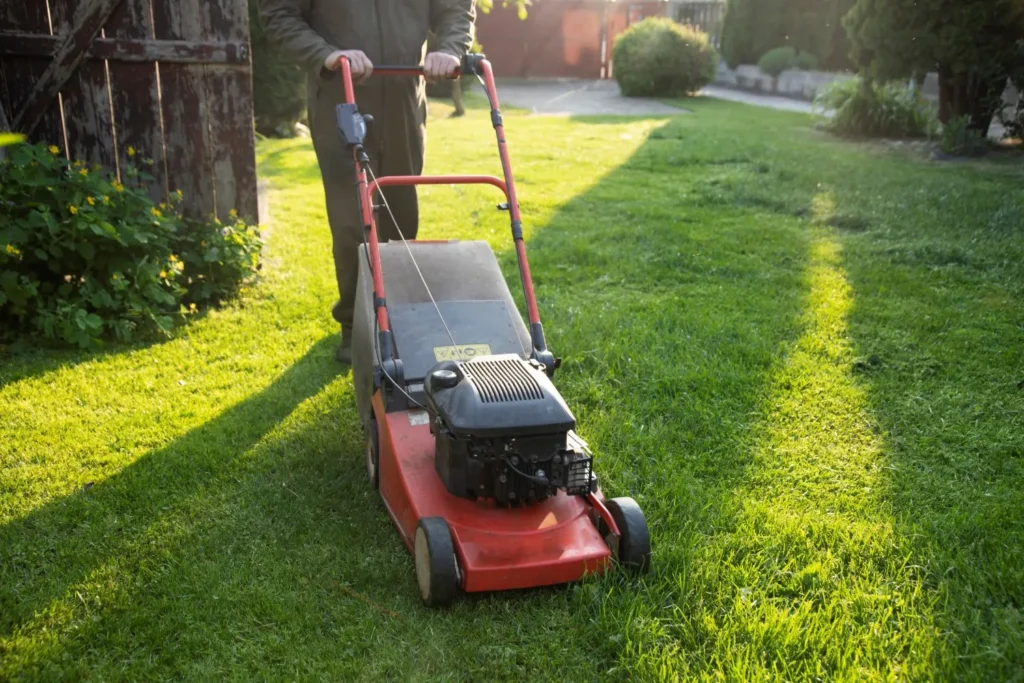
Most homeowners focus on watering and fertilizing, but overlook one of the simplest tools that directly affects lawn health—the mower blade. Dull mower blades may seem like a minor issue, but over time, they can significantly impact turf performance.
At WeedPro, we often see lawns struggling with unexplained thinning or discoloration that can be traced back to lawn mowing damage. The problem isn’t always the frequency of mowing, but how the grass is being cut.
A clean cut supports healthy growth, while a poor cut creates ongoing stress.
How Grass Cutting Quality Affects Turf Health
Clean Cuts vs. Torn Grass Blades
When mower blades are sharp, they slice through grass cleanly. This creates smooth edges that heal quickly and retain moisture. However, dull mower blades tear rather than cut, leaving torn grass blades behind.
These jagged edges take longer to recover and are more vulnerable to environmental stress. Over time, repeated tearing weakens the grass and reduces overall density.
The difference between slicing and tearing is more important than it seems.
Uneven Cuts Lead to Long-Term Issues
Poor grass-cutting quality also results in uneven cuts, with some blades trimmed properly while others are damaged. This inconsistency affects how the lawn grows and recovers.
Uneven growth patterns may appear, making the lawn look patchy or less uniform. These issues can develop gradually, making them difficult to trace back to mowing practices.
Consistency is key to maintaining a healthy lawn.
Lawn Mowing Damage Builds Over Time
Repeated Stress From Poor Cuts
Each time you mow with dull mower blades, you introduce a small amount of stress to your lawn. While a single mow may not cause noticeable damage, repeated mowing with poor blades compounds the effect.
This ongoing lawn stress from use weakens the grass, making it more susceptible to heat, drought, and foot traffic. Over time, the lawn may struggle to maintain density and color.
Moisture Loss From Damaged Blades
Torn grass edges increase moisture loss, as the plant cannot retain water as effectively. This makes the lawn more vulnerable during dry conditions.
As moisture escapes, grass may appear dry or discolored even when watering is consistent. This creates the illusion of a watering issue when the real problem lies in mowing.
| Weed Pro Lawn Care: Local Lawn & Outdoor Pest Experts Reliable Service Backed by Results You Can See Choose the Right Lawn Care Solution for Your Property: –Complete Lawn Care Programs: Ongoing, customized lawn care plans designed to strengthen turf, improve soil health, and reduce weeds. –Targeted Weed & Pest Control: Focused solutions for persistent lawn weeds, invasive pests, and seasonal pressures such as mosquitoes and surface insects. –Irrigation & Lawn Health Support: Professional support for irrigation efficiency, aeration, overseeding, and soil conditioning to improve water absorption, reduce runoff, and help lawns recover from compaction, disease, or environmental damage. Customer Praise:“Jay at Weedpro has been servicing my lawn for some time now. I always receive compliments on how nice the lawn looks. Great service!!!!” – Ann H. Why Homeowners Choose Weed Pro Lawn Care: -Locally owned and operated, serving North Georgia communities -Experienced technicians trained in region-specific lawn and pest challenges -Customized service plans based on property conditions, not one-size-fits-all programs -Environmentally responsible treatments with a focus on long-term lawn health -Clear communication, reliable scheduling, and service you can trust Schedule your Service Today! |
Disease Entry Points and Turf Vulnerability
How Damaged Grass Becomes Vulnerable
One of the most serious effects of dull mower blades is the creation of entry points for disease. Torn edges expose more surface area, making it easier for pathogens to enter the plant.
These openings allow fungi and bacteria to affect the grass, especially during warm and humid conditions. This can lead to visible lawn issues that spread over time.
Healthy cuts act as protection.
Plant Stress Weakens Natural Defenses
When grass experiences ongoing plant stress, its ability to defend itself decreases. Weakened turf becomes more susceptible to disease and environmental damage.
Even if the lawn looks acceptable at first glance, underlying stress can reduce resilience. This makes recovery slower and increases the risk of long-term decline.
Strong plants resist problems better.
Sharp vs Dull Blades: A Clear Difference
Visual Differences in Lawn Appearance
The contrast between sharp and dull blades is often visible after mowing. Lawns cut with sharp blades appear clean and evenly trimmed, while those cut with dull blades may look frayed or uneven.
This difference becomes more noticeable over time, especially as stress accumulates. A well-maintained mower produces a healthier-looking lawn.
Appearance reflects underlying health.
Long-Term Impact on Turf Structure
Beyond appearance, the long-term effects of mowing issues on lawn conditions become more pronounced. Repeated damage from dull blades affects root strength and overall turf stability.
Grass that is consistently damaged may struggle to recover, leading to thinning and uneven growth. Over time, this can reduce the lawn’s durability.
Small habits create long-term outcomes.
Signs Your Mower Blades Are Dull
Recognizing the signs of dull mower blades can help prevent ongoing damage. These indicators often appear gradually.
- Grass tips look frayed or shredded
- The lawn appears uneven after mowing
- Discoloration appears shortly after cutting
- Grass feels dry despite proper watering
- Increased presence of lawn stress symptoms
These signs suggest it’s time for maintenance.
Why Mower Blade Maintenance Matters
Regular Sharpening Improves Performance
Proper mower blade maintenance ensures that blades remain sharp and effective. Regular sharpening helps maintain consistent cutting quality and reduces stress on the lawn.
A well-maintained blade supports clean cuts and healthier growth. This simple step can significantly improve overall lawn performance.
Maintenance prevents problems before they start.
How Often Should Blades Be Sharpened?
Blade sharpening frequency depends on usage, but most lawns benefit from sharpening at least once or twice per season. High-use lawns may require more frequent attention.
Keeping blades sharp ensures consistent results and reduces long-term damage.
Consistency leads to better outcomes.
Preventing Lawn Damage From Mowing Issues
To avoid lawn-mowing damage, homeowners should focus on improving their mowing practices.
- Sharpen mower blades regularly
- Avoid cutting grass when it is overly dry or stressed
- Maintain proper mowing height
- Clean blades to prevent buildup
- Monitor lawn condition after each mowing
These steps help protect turf from unnecessary stress.
Why Proper Cutting Supports Long-Term Lawn Health
Healthy lawns depend on consistent, high-quality care. Dull mower blades may seem like a minor issue, but their impact can be significant over time.
By maintaining proper cutting practices, homeowners can improve turf resilience, reduce stress, and promote stronger growth. Small adjustments lead to noticeable improvements.
Quality care creates lasting results.
Upgrade Your Lawn Care With Proper Mowing Practices
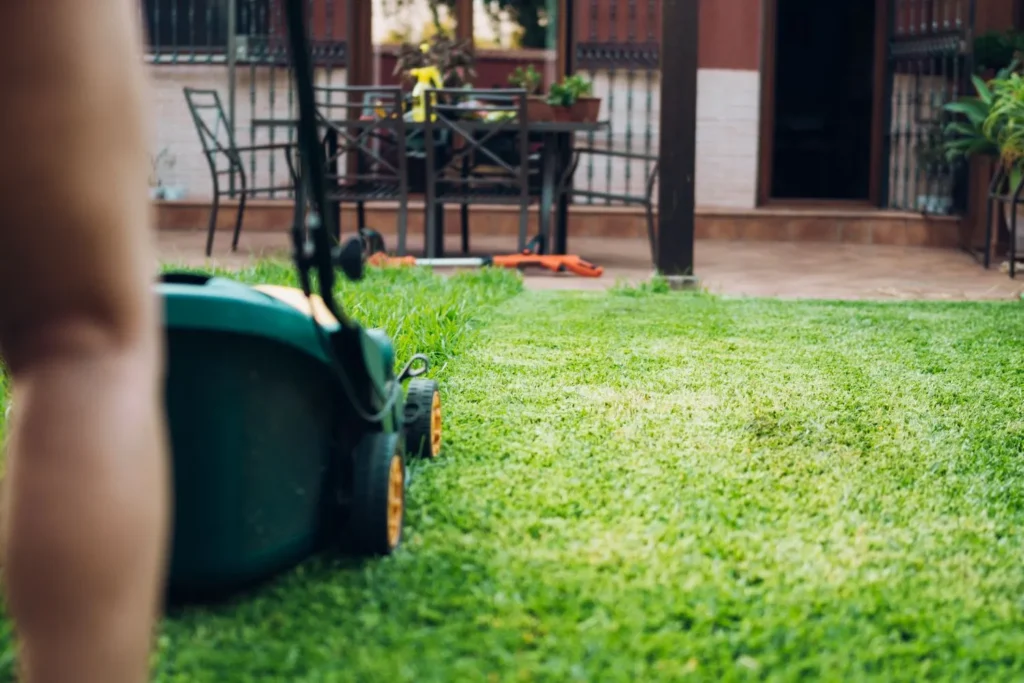
If your lawn shows signs of mowing issues or damage, it may be time to take a closer look at your equipment. At WeedPro, we help homeowners identify and correct the causes of turf stress, including improper mowing practices.
Contact us today to schedule a professional lawn evaluation. We’ll help you improve grass cutting quality, reduce damage, and create a plan for healthier, more resilient turf.
Frequently Asked Questions
Can dull mower blades affect how often you need to mow?
Yes, damaged grass may grow unevenly, making mowing schedules less predictable. Healthy cuts promote more consistent growth patterns.
Do different mower types affect blade sharpness?
Yes, blade wear can vary depending on mower type and usage conditions. Regular inspection is important regardless of the equipment.
Can sharpening blades improve lawn color?
Yes, cleaner cuts help grass retain moisture and recover more quickly, which can improve its overall appearance over time.
Up Next:
Now that you understand how dull mower blades can weaken your lawn over time, the next step is learning how to create lasting stability. Next Read: How Healthy Lawns Maintain Balance Over Time