
Key Takeaways
- Lawn damage from foot traffic builds slowly and affects turf structure over time.
- Repeated use leads to soil compaction and reduced airflow.
- High-traffic lawn areas experience faster wear and thinning.
- Lawn stress from use weakens root systems and slows recovery.
- Managing pressure zones helps prevent long-term turf damage.
Why Foot Traffic Lawn Damage Happens Gradually
Most homeowners don’t notice foot traffic lawn damage right away. A few steps across the lawn don’t seem like a big deal, and in the short term, they usually aren’t. However, over time, repeated use creates lasting changes in how your lawn performs.
At WeedPro, we often see lawns where lawn wear and tear has built up gradually. The damage doesn’t happen overnight. Instead, it develops through consistent pressure in the same areas, leading to structural changes beneath the surface.
What looks like normal use can slowly reshape your lawn’s foundation.
How High Traffic Lawn Areas Form
Certain parts of your yard naturally become high traffic lawn areas. These are the zones where people walk most often, whether it’s along a path to the backyard, near a patio, or across open space.
As traffic increases, these areas experience repeated pressure. Over time, this creates defined pressure zones where grass begins to struggle. Even if the rest of the lawn looks healthy, these sections may show early signs of stress.
Patterns of use determine where damage appears.
Lawn Compaction and Its Impact on Growth
One of the biggest effects of foot traffic on lawn damage is lawn compaction. As people walk across the lawn, the soil becomes compressed, reducing the space between particles.
This leads to soil compaction, limiting root expansion and restricting water movement. When soil becomes too dense, grass roots struggle to grow deeply, weakening the entire system.
Compaction turns healthy soil into a barrier.
| Weed Pro Lawn Care: Local Lawn & Outdoor Pest Experts Reliable Service Backed by Results You Can See Choose the Right Lawn Care Solution for Your Property: –Complete Lawn Care Programs: Ongoing, customized lawn care plans designed to strengthen turf, improve soil health, and reduce weeds. –Targeted Weed & Pest Control: Focused solutions for persistent lawn weeds, invasive pests, and seasonal pressures such as mosquitoes and surface insects. –Irrigation & Lawn Health Support: Professional support for irrigation efficiency, aeration, overseeding, and soil conditioning to improve water absorption, reduce runoff, and help lawns recover from compaction, disease, or environmental damage. Customer Praise:“I was very dissatisfied with the company that was spraying my weeds. No matter how many times they can spray the weeds would never go away. I wanted a weed free lawn and so I decided to call weed pro. And just one treatment I could see the difference. But took the other company endless sprays was taken care of and just one by weed pro . I would recommend weed pro they are consistent and the chemicals they use are appropriate to kill the weeds in your lawn” – Judy A. Why Homeowners Choose Weed Pro Lawn Care: -Locally owned and operated, serving North Georgia communities -Experienced technicians trained in region-specific lawn and pest challenges -Customized service plans based on property conditions, not one-size-fits-all programs -Environmentally responsible treatments with a focus on long-term lawn health -Clear communication, reliable scheduling, and service you can trust Schedule your Service Today! |
Reduced Airflow in the Soil
Healthy soil contains small pockets of air that allow oxygen to reach the roots. In compacted areas, reduced airflow soil conditions limit this oxygen supply.
Without proper airflow, roots cannot function efficiently. This leads to slower growth and increased vulnerability to stress. Over time, these conditions contribute to noticeable turf thinning in high-use areas.
Air is just as important as water.
Turf Damage Walking: The Visible Signs
As turf damage accumulates during walking, visible changes begin to appear. These signs often start subtly but become more pronounced with continued use.
- Flattened grass blades that don’t recover quickly
- Thinning patches in frequently used areas
- Uneven growth patterns across the lawn
- Discoloration in high-traffic zones
- Soil is becoming harder and less absorbent
These symptoms reflect bigger structural changes.
Lawn Stress From Use Builds Over Time
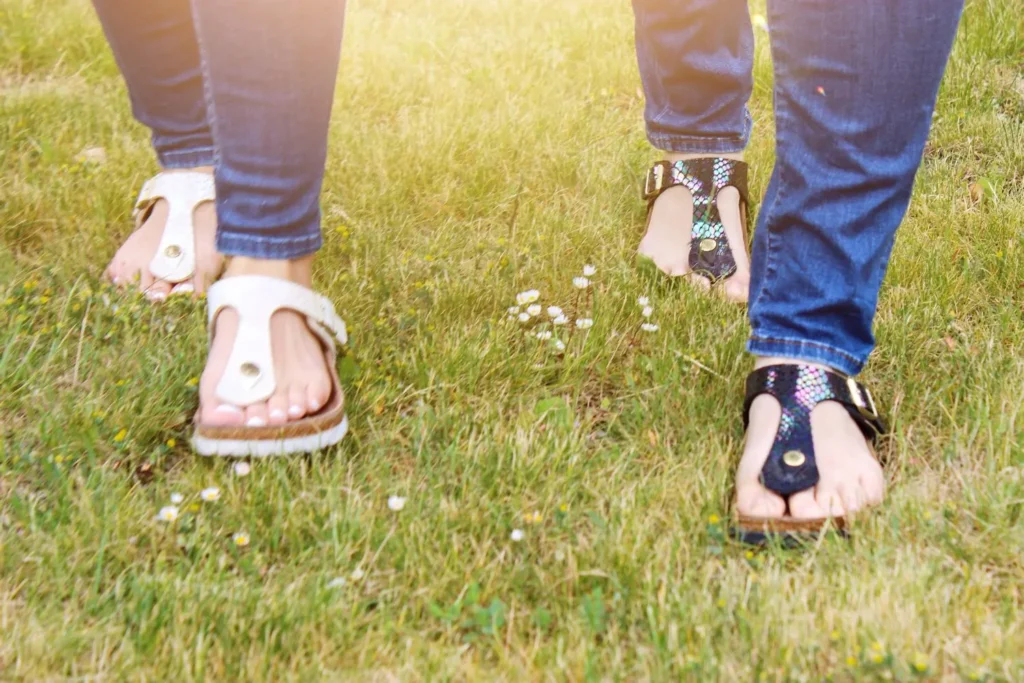
Every step across your lawn adds a small amount of stress to the lawn. While a single step has minimal impact, repeated use compounds the effect.
Over time, this stress weakens turf, making it struggle to recover. The lawn may appear less resilient, especially during periods of heat or drought. What began as minor wear can quickly escalate into long-term damage.
Why Turf Thinning Occurs in Pressure Zones
Turf thinning is one of the most common outcomes of foot traffic lawn damage. In high-pressure areas, grass struggles to maintain density due to repeated compression and limited root growth.
As the turf thins, the soil becomes more exposed. This further increases compaction and reduces the lawn’s ability to recover. Over time, these areas may become bare or patchy.
Structural Stress Beneath the Surface
While surface damage is easy to see, the real impact of foot traffic occurs below ground. Repeated pressure creates structural stress within the soil, altering its natural composition.
This stress affects how water moves, how roots grow, and how nutrients are absorbed. Even with proper care, these underlying issues can limit the lawn’s responsiveness.
Lawn Wear and Tear in Everyday Use
Daily activities contribute to lawn wear and tear more than most people realize. Walking, playing, and outdoor gatherings all add to the cumulative impact on turf.
Some common sources of wear include:
- Footpaths created by repeated movement
- Play areas for children or pets
- Entry points near doors or gates
- Outdoor living spaces like patios
These areas experience consistent pressure that shapes lawn performance.
How Soil Compaction Affects Water and Nutrients
Compacted soil doesn’t just affect roots—it also impacts how water and nutrients move through the lawn. When soil compacts, water may run off rather than soak in, leading to uneven moisture levels.
Nutrient absorption is also reduced, limiting the effectiveness of fertilization. This creates a cycle where the lawn receives inputs but cannot fully utilize them.
Efficiency drops when soil structure is compromised.
Preventing Foot Traffic Lawn Damage
Managing foot traffic and lawn damage requires proactive steps to reduce stress on high-use areas. Small adjustments can make a significant difference over time.
- Rotate walking paths to distribute pressure
- Limit traffic in vulnerable areas during recovery
- Use stepping stones or pathways in high-use zones
- Aerate compacted soil to improve airflow
- Maintain proper mowing height to protect the grass
These strategies help protect turf from long-term damage.
Why Recovery Takes Time in High Traffic Areas
Once damage occurs, recovery doesn’t happen instantly. Compacted soil and weakened roots take time to improve, even with proper care.
High traffic areas often require additional attention, such as aeration and targeted maintenance. Without intervention, these zones may continue to struggle season after season.
Recovery is possible, but it requires patience.
Protect Your Lawn From Long-Term Foot Traffic Damage
If you’re noticing thinning or worn areas in your lawn, foot traffic lawn damage may be the cause. At WeedPro, we specialize in identifying high-traffic zones and restoring turf health through targeted solutions.
Contact us today for a professional lawn assessment. We’ll help you reduce compaction, improve soil structure, and create a plan to protect your lawn from ongoing wear and tear.
Frequently Asked Questions
Can certain grass types handle foot traffic better than others?
Yes, some grass varieties are more tolerant of traffic due to stronger root systems. Choosing the right type can improve durability in high-use areas.
Does footwear type affect lawn damage?
Footwear can influence pressure distribution. Hard soles may create more compaction than softer surfaces.
Can temporary barriers help protect high-traffic areas?
Yes, using temporary barriers or redirecting traffic can reduce stress during recovery periods. This helps protect vulnerable turf.
Up Next: Why Mower Blades Matter More Than You Think
Now that you understand how foot traffic and lawn damage affect turf structure, let’s explore another overlooked factor. Next Read: Why Dull Mower Blades Can Slowly Damage Turf