Key Takeaways
- Grass clippings provide a natural source of nutrients for your lawn.
- Mulch mowing benefits include improved soil enrichment and moisture retention.
- Clipping decomposition returns nitrogen and organic matter to the soil.
- Grass recycling lawn practices reduce the need for synthetic fertilizers.
- Microbial activity increases when clippings are left on the lawn.
Why Grass Clippings Are More Valuable Than You Think
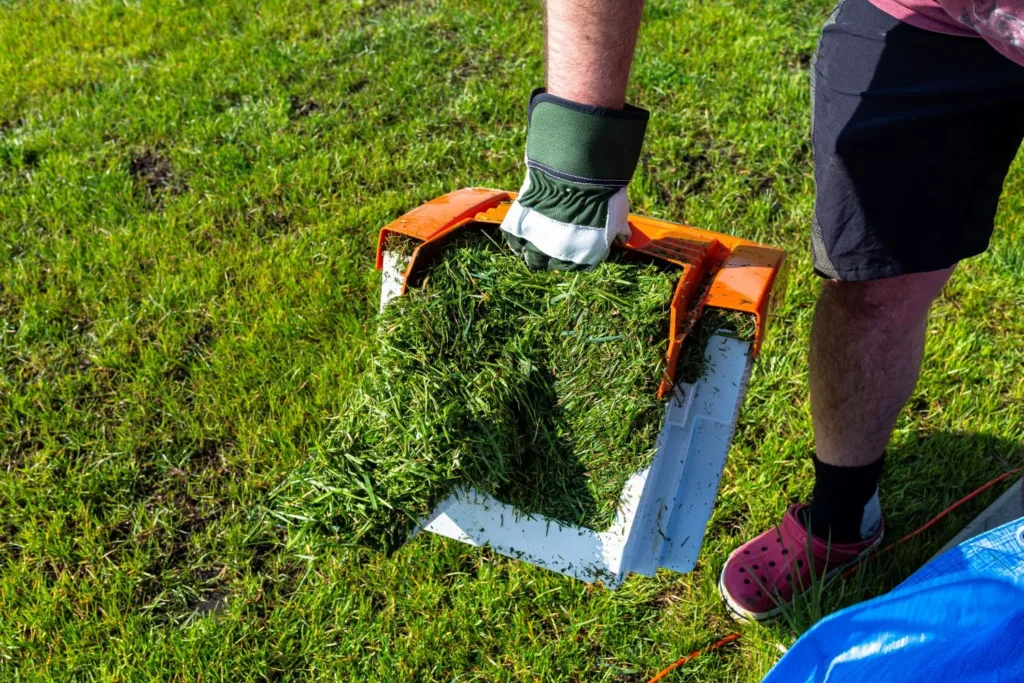
Most homeowners bag and remove grass clippings without realizing they are removing a valuable source of nutrients. These clippings are not waste—they are a natural fertilizer that supports long-term lawn health.
At WeedPro, we often explain that proper mowing practices can support natural lawn fertilization processes. Instead of relying entirely on external inputs, your lawn can partially feed itself through organic recycling.
What you leave behind can make a big difference.
How Grass Recycling Lawn Practices Work
The Cycle of Nutrient Return
When you leave grass clippings on the lawn, they begin breaking down through clipping decomposition. This process returns nutrients to the soil, creating a continuous cycle of nutrient replenishment.
As clippings decompose, they contribute essential elements, such as nitrogen, which support growth and color. This natural recycling process helps maintain soil fertility without additional inputs.
Nitrogen Release and Soil Enrichment
One of the biggest benefits of leaving clippings is the release of nitrogen. Nitrogen is a key nutrient that promotes healthy grass growth, and clippings provide a steady supply as they break down.
This process also contributes to soil enrichment, improving soil structure and supporting stronger root systems. Over time, the soil becomes better at retaining nutrients and moisture.
| Weed Pro Lawn Care: Local Lawn & Outdoor Pest Experts Reliable Service Backed by Results You Can See Choose the Right Lawn Care Solution for Your Property: –Complete Lawn Care Programs: Ongoing, customized lawn care plans designed to strengthen turf, improve soil health, and reduce weeds. –Targeted Weed & Pest Control: Focused solutions for persistent lawn weeds, invasive pests, and seasonal pressures such as mosquitoes and surface insects. –Irrigation & Lawn Health Support: Professional support for irrigation efficiency, aeration, overseeding, and soil conditioning to improve water absorption, reduce runoff, and help lawns recover from compaction, disease, or environmental damage. Customer Praise:“Communication with Jay is always perfect. After a service, I always get a detailed report with suggestions for my lawn. My lawn looks great and all I have to do is water it!” – Rita P. Why Homeowners Choose Weed Pro Lawn Care: -Locally owned and operated, serving North Georgia communities -Experienced technicians trained in region-specific lawn and pest challenges -Customized service plans based on property conditions, not one-size-fits-all programs -Environmentally responsible treatments with a focus on long-term lawn health -Clear communication, reliable scheduling, and service you can trust Schedule your Service Today! |
Mulch Mowing Benefits for Long-Term Lawn Health
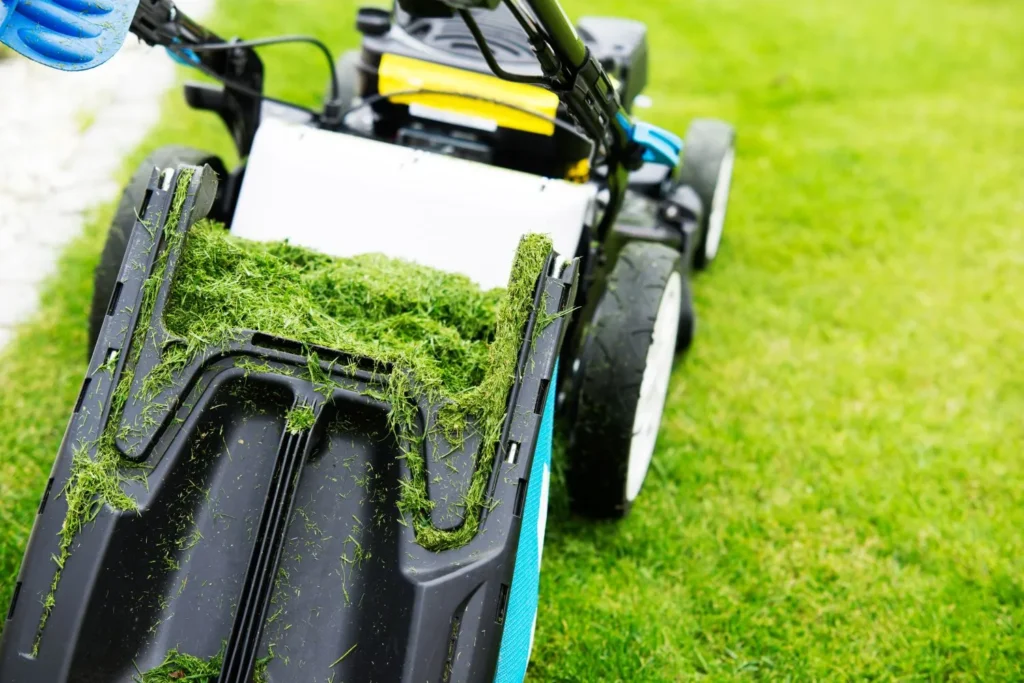
Using mowing techniques that support mulch mowing benefits allows clippings to be evenly distributed across the lawn. This ensures that nutrients are returned consistently rather than concentrated in one area.
Mulching helps create a layer of organic matter that supports soil health. It also improves moisture retention, reducing the need for frequent watering. These benefits contribute to a more resilient lawn.
Small changes in mowing can lead to big improvements.
Organic Lawn Nutrients vs Synthetic Fertilizers
Natural Fertility vs External Inputs
Relying on organic lawn nutrients from clippings helps reduce the need for synthetic fertilizers. While fertilizers can provide immediate results, natural processes build long-term soil health.
By allowing grass recycling lawn practices, homeowners can create a more balanced nutrient system. This approach supports steady growth rather than rapid, short-term gains.
Microbial Activity and Soil Health
As clippings break down, they stimulate microbial activity in the soil. These microorganisms play a critical role in breaking down organic material and making nutrients available to plants.
Increased microbial activity improves soil structure and enhances nutrient cycling. This creates a healthier environment for root development and long-term growth.
Healthy soil supports healthy grass.
Common Misconceptions About Grass Clippings
Many homeowners believe that leaving grass clippings on the lawn will cause problems. However, most of these concerns stem from misunderstandings.
- Clippings do not cause thatch buildup when properly managed
- They break down quickly and do not smother the lawn
- Even distribution prevents clumping and uneven coverage
- Regular mowing keeps clippings small and manageable
- Proper mowing height supports effective decomposition
Understanding these points helps eliminate hesitation.
When Grass Clippings Can Become a Problem
While grass clippings offer many benefits, improper mowing practices can reduce their effectiveness. For example, cutting too much grass at once can create large clumps that block sunlight.
Excessive buildup may slow decomposition and limit airflow. This can create temporary stress for the lawn if not managed properly. Consistency in mowing helps prevent these issues.
Proper technique makes all the difference.
How to Maximize Clipping Decomposition
To get the most out of clipping decomposition, homeowners should focus on consistent mowing habits. Smaller clippings break down faster and distribute more evenly across the lawn.
Maintaining proper mowing height and frequency ensures that clippings enrich the soil rather than create buildup. This approach supports efficient nutrient cycling.
Why Grass Clippings Improve Lawn Resilience
Lawns that benefit from regular nutrient return tend to be more resilient over time. The steady supply of nutrients supports stronger root systems and improved growth patterns.
This resilience helps the lawn recover from stress, whether caused by weather, traffic, or environmental changes. Over time, the lawn becomes more self-sufficient and better equipped to handle challenges.
Strong systems recover faster.
How Organic Matter Builds Over Time
Leaving grass clippings contributes to the gradual buildup of organic matter in the soil. This process improves soil structure, enhancing water retention and nutrient availability.
As organic matter increases, the soil becomes more balanced and supportive of plant growth. This long-term improvement creates a healthier environment for turf.
Signs Your Lawn Is Benefiting From Grass Clippings
When grass recycling lawn practices are working effectively, the results become visible over time. These signs indicate that natural fertility is improving.
- Consistent green color across the lawn
- Improved moisture retention
- Reduced need for additional fertilization
- Stronger and more uniform growth
- Healthier soil structure
These indicators reflect a balanced system.
Let Your Lawn Work Smarter, Not Harder
If you’ve been removing grass clippings, you may be missing out on a simple way to improve your lawn’s health. At WeedPro, we help homeowners optimize mowing practices to support natural fertility and long-term growth.
Contact us today to learn how to improve your lawn care routine. We’ll help you take advantage of natural nutrient cycles and create a healthier, more sustainable lawn.
Frequently Asked Questions
Can grass clippings attract pests?
In most cases, properly managed clippings do not attract pests. Issues typically arise only when clippings are left in thick, damp piles.
Do grass clippings affect lawn pH levels?
Clippings have minimal impact on soil pH. Their primary benefit is nutrient return rather than altering soil acidity.
Can clippings be used in areas other than lawns?
Yes, grass clippings can be used in garden beds or compost piles. They provide organic material that supports plant growth.
Up Next: Why Some Lawns Recover Faster Than Others
Now that you understand how grass clippings contribute to natural fertility, let’s explore another key factor in lawn performance. Next Read: Why Some Lawns Bounce Back Quickly While Others Struggle