Key Takeaways
- Lawn recovery depends on root strength, soil conditions, and overall turf health.
- Differences in turf recovery rate explain why some lawns rebound faster.
- Stronger lawns exhibit greater resilience and stress tolerance.
- Environmental and structural factors influence the rate of grass regrowth.
- Recovery cycles vary depending on how well the lawn is maintained over time.
Why Lawn Recovery Isn’t the Same for Every Yard
If you’ve ever noticed that one lawn recovers quickly while another struggles for weeks, you’re not alone. Lawn recovery is not a uniform process, and it can vary significantly even between neighboring properties.
At WeedPro, we often see that differences in soil conditions, maintenance practices, and environmental exposure affect the speed of grass regrowth. Two lawns may experience the same stress, but their recovery rates can differ significantly.
Recovery is shaped by what’s happening beneath the surface.
What Determines Turf Recovery Rate
Root Strength Drives Recovery
One of the most important factors in turf recovery rate is root strength. Strong roots allow grass to absorb water and nutrients more efficiently, supporting faster regrowth after stress.
Lawns with deep, well-developed roots tend to bounce back quickly. In contrast, shallow root systems limit the lawn’s recovery, resulting in slower regrowth.
Healthy roots create a strong foundation.
Stress Tolerance Impacts Regrowth
A lawn’s stress tolerance plays a major role in its recovery. Turf that has been properly maintained can handle environmental pressures more effectively.
When stress tolerance is low, even minor issues can delay recovery. This leads to longer lawn repair time and increased vulnerability to further damage.
Resilience determines recovery speed.
Lawn Resilience: The Key to Faster Recovery
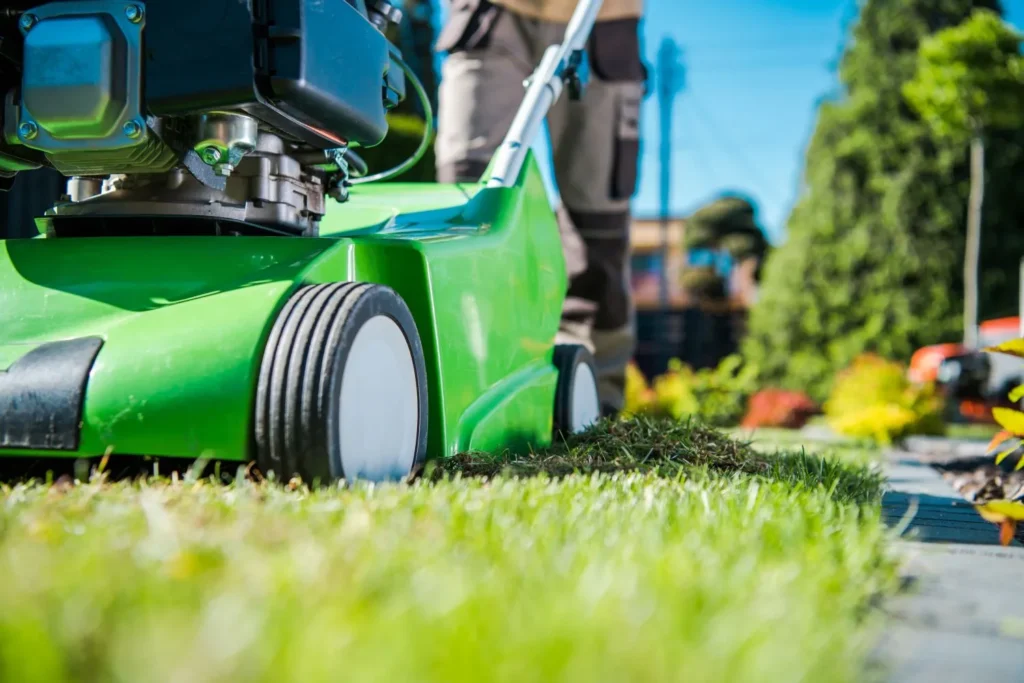
Lawn resilience refers to a turf’s ability to withstand and recover from stress. This includes factors like drought, heat, foot traffic, and mowing practices.
Lawns with higher resilience maintain stronger turf vigor, allowing them to recover quickly after disruption. These lawns are better equipped to handle changing conditions without significant damage.
Resilient lawns adapt more effectively.
Grass Regrowth Speed and Environmental Factors
How Conditions Affect Growth
Environmental conditions heavily influence the rate of grass regrowth. Temperature, sunlight, and moisture all play a role in how quickly grass can recover.
Favorable conditions support faster growth, while unfavorable conditions slow down recovery cycles. Even well-maintained lawns can struggle when environmental conditions are less than ideal.
Growth depends on the environment.
| Weed Pro Lawn Care: Local Lawn & Outdoor Pest ExpertsReliable Service Backed by Results You Can SeeChoose the Right Lawn Care Solution for Your Property:Complete Lawn Care Programs: Ongoing, customized lawn care plans designed to strengthen turf, improve soil health, and reduce weeds.Targeted Weed & Pest Control: Focused solutions for persistent lawn weeds, invasive pests, and seasonal pressures such as mosquitoes and surface insects. Irrigation & Lawn Health Support: Professional support for irrigation efficiency, aeration, overseeding, and soil conditioning to improve water absorption, reduce runoff, and help lawns recover from compaction, disease, or environmental damage.Customer Praise:“We are first-time customers with Weed Pro, and they are the BEST! There has been a huge difference in the yard. We have tried so many other weed services, and Weed Pro has been the BEST to ever service us. Since Weed Pro has been servicing the lawn, the yard is so much fuller/greener, and the soil is thicker. Great customer service and feedback after servicing. Thank you, Fernando, for your service and feedback regarding our care and being on time and efficient. From Darlene and Ariel. Thanks again, Fernando and Jay 🙂 See you soon for another treatment!” – Ariel B.Why Homeowners Choose Weed Pro Lawn Care:Locally owned and operated, serving North Georgia communitiesExperienced technicians trained in region-specific lawn and pest challengesCustomized service plans based on property conditions, not one-size-fits-all programsEnvironmentally responsible treatments with a focus on long-term lawn healthClear communication, reliable scheduling, and service you can trustSchedule your Service Today! |
Recovery Cycles Vary Throughout the Year
Different seasons create different recovery cycles. In warmer months, grass tends to grow more quickly, leading to faster recovery. In cooler periods, growth slows down, extending recovery time.
Understanding these cycles helps set realistic expectations for how long recovery should take.
Why Some Lawns Have Stronger Turf Strength
Not all lawns are built the same. Long-term care practices, including mowing, watering, and fertilization, influence turf strength.
Lawns that receive consistent, balanced care develop stronger root systems and better structural integrity. This allows them to recover more efficiently from stress.
Signs of Slow Lawn Recovery
Recognizing slow lawn recovery helps identify underlying issues. These signs often indicate that the lawn is struggling to regain strength.
- Grass remains thin after stress
- Uneven regrowth patterns appear
- Discoloration persists longer than expected
- Recovery takes weeks instead of days
- Growth appears inconsistent across the lawn
These indicators suggest deeper problems.
How Lawn Repair Time Is Influenced
Maintenance Practices Matter
Proper maintenance plays a critical role in lawn repair time. Consistent mowing, watering, and nutrient management support faster recovery.
When maintenance is inconsistent, recovery slows down. The lawn may struggle to regain density and strength.
Soil Conditions Affect Recovery
Soil health directly impacts recovery. Poor soil conditions limit nutrient availability and restrict root growth, leading to slower regrowth.
Improving soil conditions enhances the lawn’s ability to recover and maintain performance over time.
Comparing Fast vs Slow Lawn Recovery
Understanding the differences between fast and slow recovery helps explain lawn inconsistency across properties.
- Fast recovery: strong roots, balanced nutrients, good soil structure
- Slow recovery: weak roots, poor soil conditions, inconsistent care
- Fast recovery: high turf vigor and resilience
- Slow recovery: low stress tolerance and delayed regrowth
These differences highlight the importance of long-term care.
Why Recovery Patterns Repeat Over Time
Once a lawn develops a certain recovery pattern, it often continues. Lawns with strong regrowth patterns tend to recover consistently, while weaker lawns struggle repeatedly.
Without intervention, these patterns become more noticeable. Addressing root causes improves long-term performance.
How to Improve Lawn Recovery Naturally
Improving lawn recovery requires focusing on both immediate care and long-term health. Small adjustments can lead to noticeable improvements.
- Strengthen root systems through proper watering
- Maintain consistent mowing practices
- Improve soil quality over time
- Reduce stress during extreme conditions
- Support balanced nutrient availability
These steps help enhance resilience and recovery.
Why Lawn Recovery Is a Long-Term Process
While quick fixes may provide temporary improvements, true lawn recovery is a long-term process. Building resilience and strength takes time and consistent effort.
Over time, these improvements lead to faster recovery cycles and more consistent performance. The goal is to create a lawn that can handle stress and bounce back effectively.
Long-term care creates lasting results.
Improve Your Lawn’s Recovery and Resilience
If your lawn struggles to bounce back while others recover quickly, there may be underlying factors affecting performance. At WeedPro, we help homeowners identify and address the causes of slow lawn recovery.
Contact us today to schedule a professional lawn evaluation. We’ll help you improve turf strength, enhance resilience, and create a plan for faster, more consistent recovery.
Frequently Asked Questions
Can lawn age affect recovery speed?
Yes, older lawns may have established root systems that support faster recovery. However, aging turf can also decline if not properly maintained.
Do different grass varieties recover at different rates?
Yes, some grass types naturally grow and recover faster than others. Choosing the right variety can influence recovery speed.
Can overwatering slow lawn recovery?
Yes, excessive watering can weaken roots and reduce oxygen availability. Balanced watering supports healthier regrowth.
Up Next: Why Lawn Recovery Takes Longer Than Expected
Now that you understand why lawn recovery varies, let’s explore why it often takes longer than homeowners expect. Next Read: Why Lawn Recovery Often Takes Longer Than Homeowners Expect