Key Takeaways
- Proper lawn drainage is essential for healthy root development and turf growth.
- Poor lawn drainage leads to waterlogged soil and oxygen deprivation.
- Drainage problems and lawn conditions can cause root suffocation and slow growth.
- Standing water and soil saturation weaken turf over time.
- Addressing yard drainage solutions improves long-term lawn stability.
Why Lawn Drainage Is the Foundation of Healthy Turf
When homeowners think about lawn care, they often focus on watering, fertilizing, and mowing. However, one of the most overlooked factors is lawn drainage. Without proper drainage, even the best maintenance routine can fall short.
At WeedPro, we often find that lawns struggling with thinning, discoloration, or slow growth are actually experiencing hidden water issues. Water may be present, but it’s not moving through the soil properly. That imbalance affects everything from root development to overall turf performance.
A healthy lawn doesn’t just need water—it needs the right balance of water and air.
What Happens When Lawn Drainage Fails
When poor lawn drainage occurs, water lingers in the soil instead of moving through it efficiently. This creates waterlogged soil, which can disrupt the entire growth process.
Excess moisture fills air pockets in the soil, limiting oxygen availability. Roots depend on oxygen to function properly, so when it’s restricted, growth slows down. Over time, this leads to weakened turf and increased vulnerability to stress.
The Impact of Waterlogged Soil on Root Development
Roots need both moisture and oxygen to grow. In waterlogged soil, oxygen levels drop significantly due to soil saturation. This condition leads to root suffocation, where roots are unable to perform essential functions.
As roots struggle, they may become shallow or underdeveloped. This weakens the lawn’s ability to absorb nutrients and withstand environmental stress. Even if the grass appears green on the surface, the underlying system may be compromised.
Healthy roots require balance beneath the surface.
| Weed Pro Lawn Care: Local Lawn & Outdoor Pest Experts Reliable Service Backed by Results You Can See Choose the Right Lawn Care Solution for Your Property: –Complete Lawn Care Programs: Ongoing, customized lawn care plans designed to strengthen turf, improve soil health, and reduce weeds. –Targeted Weed & Pest Control: Focused solutions for persistent lawn weeds, invasive pests, and seasonal pressures such as mosquitoes and surface insects. –Irrigation & Lawn Health Support: Professional support for irrigation efficiency, aeration, overseeding, and soil conditioning to improve water absorption, reduce runoff, and help lawns recover from compaction, disease, or environmental damage. Customer Praise:“Have been using Weed Pro for over 10 years and have been very pleased with the results and their service. I often get comments about how great my yard always looks.” – Lynn B. Why Homeowners Choose Weed Pro Lawn Care: -Locally owned and operated, serving North Georgia communities -Experienced technicians trained in region-specific lawn and pest challenges -Customized service plans based on property conditions, not one-size-fits-all programs -Environmentally responsible treatments with a focus on long-term lawn health -Clear communication, reliable scheduling, and service you can trust Schedule your Service Today! |
How Standing Water Signals Deeper Problems
Visible standing water is one of the clearest signs of drainage problems in lawn conditions. While occasional pooling after heavy rain may seem normal, repeated occurrences indicate underlying issues.
Standing water often points to compacted soil, improper grading, or poor runoff patterns. These conditions prevent water from draining effectively, creating long-term stress for the turf.
Surface symptoms usually reflect deeper structural concerns.
Oxygen Deprivation and Turf Decline
One of the most damaging effects of poor drainage is oxygen deprivation. When soil remains saturated, air circulation is reduced, limiting oxygen availability to roots.
Without oxygen, roots cannot efficiently absorb nutrients or maintain growth. This leads to gradual turf decline, even in areas that receive adequate watering and fertilization.
Airflow is just as important as moisture.
Common Causes of Drainage Problems in Lawns
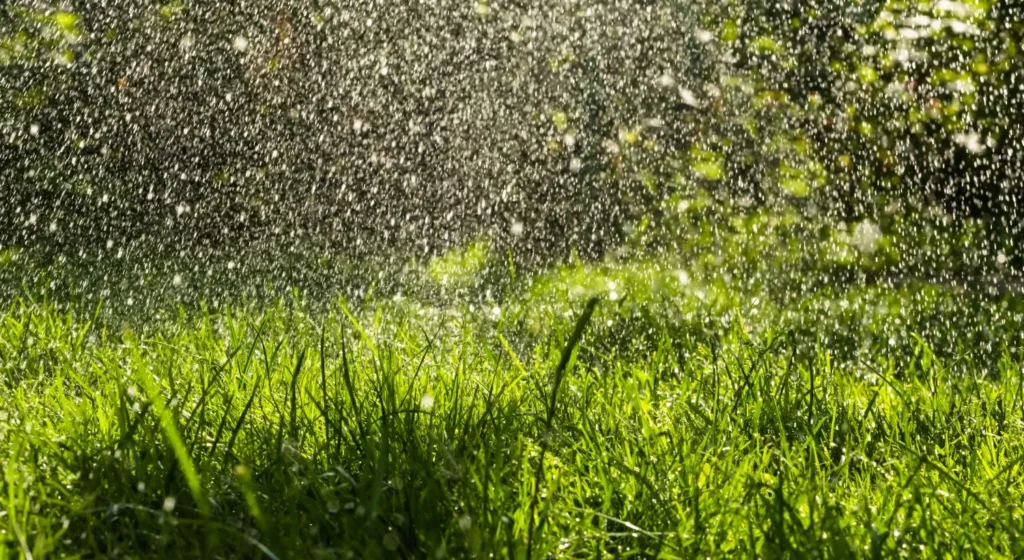
Understanding what causes lawn drainage issues can help prevent them from developing. Several factors contribute to poor water movement in the soil.
- Compacted soil from foot traffic or construction
- Improper grading that directs water unevenly
- Heavy clay soil that retains moisture
- Blocked or ineffective runoff patterns
- Inadequate slope for natural drainage
Each of these can create conditions that disrupt healthy growth.
Lawn Water Issues and Uneven Growth
Not all areas of a lawn are affected equally. Lawn water issues often result in uneven growth, with some sections thriving while others struggle.
Areas with excess moisture may appear thin or discolored, while better-drained sections grow normally. This inconsistency can make it difficult to diagnose the problem without understanding drainage dynamics.
Water distribution plays a major role in overall appearance.
How Runoff Patterns Influence Lawn Health
Runoff patterns shape water movement across your yard. These patterns determine where water collects and where it drains away.
Poor runoff can cause water to pool in low areas, leaving higher areas dry. This imbalance affects root development and nutrient distribution. Over time, it leads to uneven turf performance.
Signs Your Lawn Has Drainage Problems
Drainage issues often develop gradually, making them easy to overlook. Recognizing early signs can help prevent more serious damage.
- Persistent wet or soggy areas
- Grass that feels soft or spongy underfoot
- Patchy or thinning turf
- Slow recovery after rainfall
- Increased weed presence in damp areas
These symptoms often indicate underlying drainage problems in lawn conditions.
How Yard Drainage Solutions Improve Turf Health
Addressing yard drainage solutions is essential for restoring balance. Improving how water moves through and across your lawn can significantly enhance growth.
Effective solutions may include:
- Aerating compacted soil to improve airflow
- Adjusting the grading to direct water properly
- Installing drainage systems where necessary
- Enhancing soil structure to improve absorption
- Managing runoff to prevent pooling
Each step helps create a healthier environment for roots.
Why Drainage Affects Long-Term Lawn Performance
Lawn drainage doesn’t just influence short-term appearance—it impacts long-term durability. Lawns with proper drainage develop stronger root systems and handle stress more effectively.
In contrast, lawns with ongoing drainage issues may struggle year after year. Even with consistent care, underlying water problems can limit progress.
Fixing drainage creates a foundation for lasting success.
The Connection Between Drainage and Lawn Stability
Stable lawns depend on consistent conditions beneath the surface. Proper drainage ensures that moisture levels remain balanced, allowing roots to grow deeply and evenly.
When drainage is managed effectively, turf becomes more resilient. It can withstand changes in weather, foot traffic, and seasonal stress without significant decline.
Stability starts below ground.
Fix Your Lawn Drainage for Healthier Growth
If your lawn shows signs of poor drainage, it’s time to address the root of the problem. At WeedPro, we specialize in diagnosing and correcting drainage issues that affect turf health.
Contact us today for a professional evaluation. We’ll identify problem areas, recommend effective yard drainage solutions, and help your lawn develop stronger roots and more consistent growth.
Frequently Asked Questions
Can drainage problems affect lawn temperature?
Yes, excess moisture can influence soil temperature, often keeping it cooler than surrounding areas. This can slow growth and affect overall turf performance.
Do drainage issues increase pest activity in lawns?
In some cases, damp conditions can attract certain pests that thrive in moist environments. Proper drainage helps reduce these conditions.
Is it possible for drainage issues to develop over time?
Yes, changes in soil structure, landscaping, or foot traffic can gradually affect drainage. Regular monitoring helps identify problems early.
Up Next: The Power of Grass Clippings
Now that you understand how lawn drainage impacts growth and root development, let’s look at a surprising factor that can actually improve your lawn. Next Read: How Grass Clippings Contribute to Natural Lawn Fertility