Creating a beautiful lawn in Marietta is simply a matter of selecting the right lawn mower, practicing effective mowing, and having some considered expertise. Many homeowners or property managers struggle with selecting the appropriate equipment, knowing their grass type based on where they live, and setting aside time for mowing. This is when lawn mowing professional services come to the rescue and make your life easier. In this article, we will address the best mowers for grasses found in Marietta; how our soil conditions and climate influence our mowing practices; the very real benefits of professional lawn mowing services; mistakes you might be making while mowing your lawn yourself; and how to determine if purchasing a mower or hiring a lawn mowing service is best suited for you. We will relate mower aspects and reflect on Marietta’s humid subtropical climate.
What Mowers Rule the Roost for Marietta Lawns?
Marietta lawns grow beautifully under mowers that have balanced power, ease of use, and turning capability. The mower you choose will depend on your yard size, terrain, and the thickness of your grass, as you ultimately narrow it to a zero-turn, self-propelled, or electric.
What is considered to be the Best Mower for Marietta’s Bermuda and Zoysia?
For the dense Bermuda and Zoysia, a self-propelled rotary mower is generally your best mower. The self-propelled rotary mower features adjustable cutting height and power, ensuring a consistent cut that promotes lawn health and weed suppression. For example, consider a homeowner with a combination of Bermuda and Zoysia. The self-propelled mower will limit scalping, glide smoothly across the lawn, and serve the homeowner well when mowing twice weekly in the growing season.
Zero-Turn, Self-Propelled, Electric: The Marietta Mower Showdown
Zero-turn mowers offer unmatched agility and speed, perfect for sprawling, flat yards, but they demand a skilled hand and diligent upkeep. Self-propelled models provide a middle ground, handling moderate slopes with ease and simplifying operation, though they mow at a more leisurely pace. Electric mowers are whisper-quiet and eco-friendly for smaller lawns, but you’ll need convenient charging access, and they might struggle with particularly tough grass.
| Mower Type | Key Feature | Best For |
|---|---|---|
| Zero-Turn | Nimble turning capability | Expansive, level Marietta properties |
| Self-Propelled | Assisted drive system | Slightly sloped areas and dense turf |
| Electric | Battery-powered and quiet operation | Compact Zoysia or Bermuda lawns |
What Mower Must-Haves Should Marietta Homeowners Seek?
When you’re shopping for a mower, zero in on the cutting-height range, blade sharpening system, and how it handles grass clippings to best suit Marietta’s environment.
- Look for adjustable deck heights from 1.5 to 4 inches, ideal for our local warm-season grasses.
- Prioritize robust steel decks and easy-access blade sharpening features for lasting performance.
- Opt for models with mulching or side-discharge capabilities to return vital nutrients to your soil.
A mower equipped with these features will keep your turf looking its best and make routine care a breeze.
Marietta’s Grasses: Bermuda, Zoysia, Tall Fescue, and Centipede – What You Need to Know
Each grass type requires tailored care to truly flourish under Marietta’s heat and humidity.
| Grass Type | Sun Needs | Ideal Mowing Height |
|---|---|---|
| Bermuda | Loves full sun | 1.5–2 inches |
| Zoysia | Tolerates partial sun | 1–2 inches |
| Tall Fescue | Shade-tolerant | 2.5–3 inches |
| Centipede | Prefers less sun | 1.5–2 inches |
Georgia’s Humid Subtropical Climate: How It Affects Mowing Frequency and Height

The heat and regular rainfall create ideal conditions for grass to grow rapidly in spring and summer, making it essential to mow twice a week to avoid scalping and potential disease infection. If a drought occurs, the best course of action is to raise (but only a little) the cutting height to create moisture retention and deeper roots.
Why the Mowing Height is Not Negotiable for a Healthy Marietta Lawn
Getting the mower height right is essential to preserve leaf surface for photosynthesis, block weed seed germination, and maintain moisture in the grass type.
Why hiring a professional to mow your lawn is the best option for a well-kept Marietta lawn
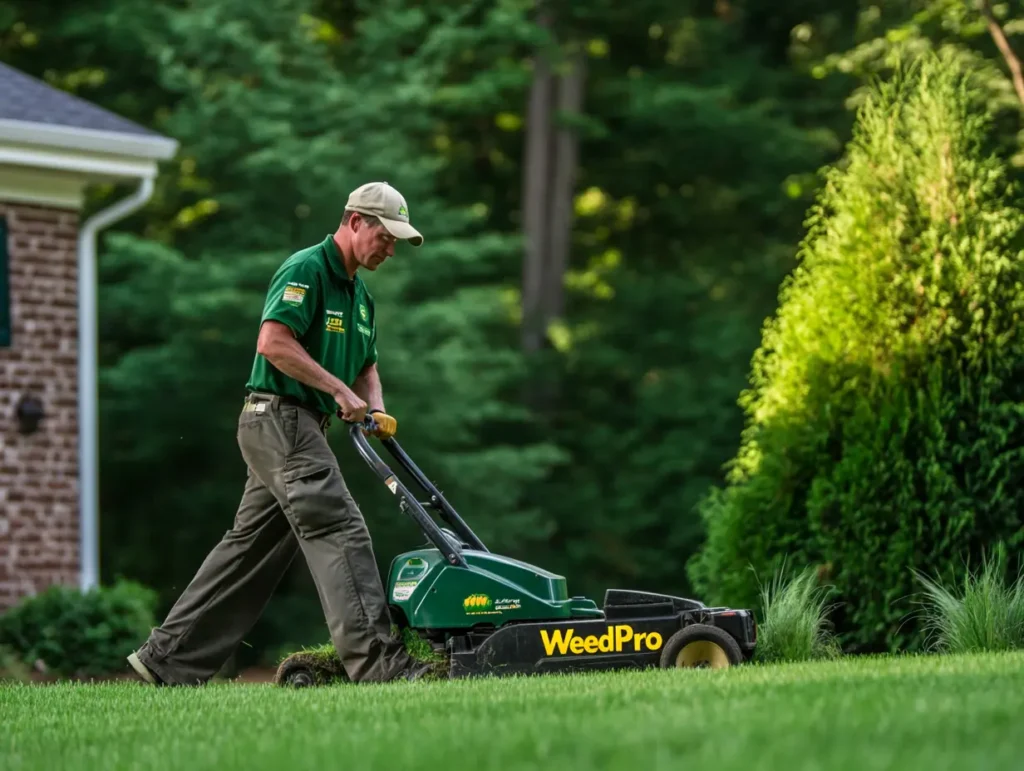
Professional services can help fill in the gaps of equipment, local knowledge/skill sets, and a consistent cycle of service, and provide the best outcome while taking the burden off the homeowner. When you hire Weed Pro, you will receive not only a trained technician with high-quality equipment but also knowledge of local conditions to maximize the look of your lawn.
How Professional Mowing Works with Fertilization and Weed Control
Scheduled regular mowing could set the framework for your lawn to benefit from fertilization and herbicide applications, increasing its long-term competitive advantage against pests and environmental stressors.
Typical Problems with DIY Lawn Mowing in Marietta
The average DIY lawn mowing in Marietta can quickly lead to fatigue or disaster due to old mower equipment, uneven cutting, and time shortages, all of which can affect the quality and health of your lawn.
How Equipment Maintenance Impacts Your DIY Lawn Mowing Success
If you don’t sharpen the blades of your mower regularly or tune your mower based on the recommended schedule, your lawn will suffer from ragged cuts or uneven edges, and it may lead to the spread of diseases.
How DIY Lawn Mowing Can Be Time and Energy Sucking in Marietta
You may be capable of cutting three acres of thick communal, warm-season turf on the weekends out of necessity, but it will be arduous or burden you with a multitude of decisions as you learn what the best schedules, mowing heights, etc. Hiring a pro removes this significant time-consuming task from your weekends.
How Bad Mowing Can Ruin Lawns in Marietta
Problems such as cutting at the incorrect deck height, using dull blades, mowing on inconsistent days of the week, weekend mowing, or lacking a plan for weekly maintenance could all cause stress to the roots. These issues may lead to a weed epidemic or, worse, result in patchy or variable lawn growth.
Get the Cut You Deserve—Let Weed Pro Help
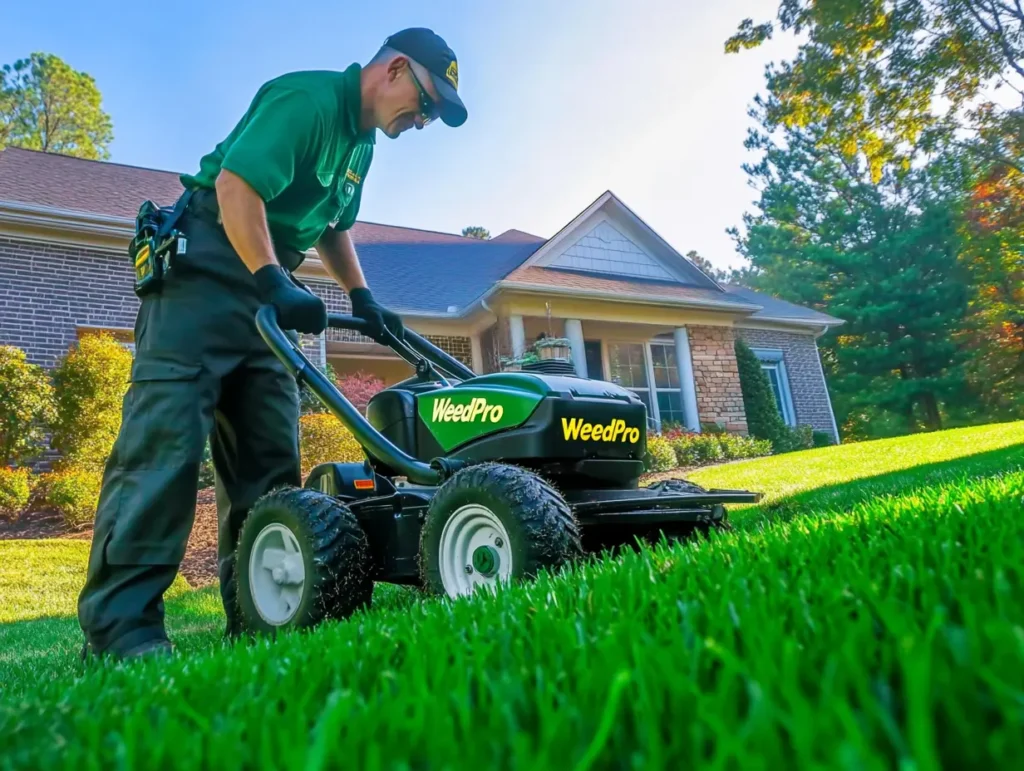
A great lawn starts with a great mow. From mower blade height to cutting frequency, Weed Pro helps Marietta homeowners fine-tune their mowing practices for thick, even turf. We also recommend the best mower models for your yard size and grass type, saving you hours of research. Plus, with tips on blade maintenance and seasonal techniques, you’ll avoid common mistakes like scalping or over-cutting. Need more help? Our pros are always just a call away.
Contact us now to get professional lawn care that matches your mowing goals—whether you’re DIY or looking for full-service support.
❓ FAQ
How short should you cut your lawn in the summer?
Keep it longer—around 3 to 3.5 inches. This protects roots from heat and encourages healthier growth.
Do mower blades really need to be sharpened often?
Yes! Dull blades tear the grass, which makes it prone to disease and browning. Sharpen them every 20–25 hours of mowing.
Should you bag or mulch your clippings?
Mulching is better in most cases because it returns nutrients to the soil. Just avoid it if your grass is diseased or super wet.
👉 Up Next:
You’ve got the tools—now let’s expand your arsenal! Don’t miss:
“Your Ultimate Lawn Care Maintenance Toolkit: Essential Gear for a Yard You’ll Love“