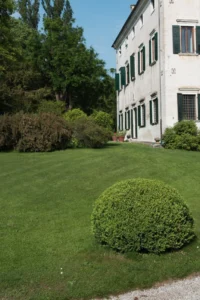
Spring is finally here—and so is your lawn’s moment to shine! If you’re an Atlanta homeowner, you know the warm weather brings more than pollen and patio season. It’s also the perfect time to roll up your sleeves and give your lawn the TLC it needs after a long, chilly Georgia winter. With the right lawn care game plan (and maybe a little help from your friends at Weed Pro), your turf can go from drab to fab in just a few weeks.
In this ultimate spring guide to lawn care in Atlanta, we’ll walk you through the seasonal essentials—from lawn aeration and mowing strategies to weed prevention and fertilization. Whether you’re new to yard maintenance or just need a seasonal refresher, you’ll find tips that are easy to follow, effective, and yes—totally spunky.
Spring Lawn Care in Atlanta: Why Timing Is Everything
Let’s start with the basics. Spring lawn care is all about setting the stage for a healthy growing season. The first few weeks of spring are a window of opportunity—a time when the soil warms up, grass starts to grow again, and pre-summer prep can really make a difference.
In Atlanta, lawns often suffer from compacted soil, dead thatch, and leftover frost damage. Addressing these early improves turf health and keeps problems from snowballing into expensive repairs. This is why having a targeted lawn care plan is key—not just “winging it” with your mower and a bag of random fertilizer.
Start with Lawn Aeration to Break Winter’s Hold
Before anything else, let your lawn breathe! Spring aeration (especially Lawn Aeration in Atlanta) is your first must-do step. Georgia’s red clay soil gets compacted easily, which chokes out root growth and reduces nutrient absorption. Aeration punches small holes in your lawn to allow water, air, and nutrients to reach the roots where they belong.
If you’ve got heavy foot traffic or patchy turf, book lawn aeration services in Atlanta in early spring for the best results. Bonus tip: pair aeration with overseeding to promote thicker, greener grass.
Dethatching: Clear the Path for Growth
Right after aeration, consider dethatching. That layer of dead grass and debris between your turf and soil acts like a sponge that prevents moisture and fertilizer from reaching the roots. Atlanta lawns especially benefit from dethatching post-winter since mild Southern winters can create layers of gunk you don’t want sitting there all spring.
Pre-Emergent Weed Control: Your Spring Shield
Here’s a secret: the best time to fight weeds is before you ever see them. That’s where pre-emergent treatment comes in. By applying a pre-emergent herbicide in early spring, you can prevent weed seeds (like crabgrass and goosegrass) from ever sprouting.
Just be careful—if you’re overseeding, you’ll want to time your weed control and seeding carefully. Not all products play nice together.
Fertilization: Feed That Hungry Lawn
Your grass just woke up from a long winter nap—and it’s hungry. Spring is the ideal time to apply a balanced lawn fertilization treatment. If you’re not sure what nutrients your soil needs, a soil test can help.
Look for a slow-release formula that supports springtime turf health without overfeeding. Going too heavy too early can lead to a surge of top growth at the expense of deep roots.
Lawn fertilization in Atlanta should be tailored to your grass type. Bermuda, Zoysia, and Fescue each have their own preferences.
Mowing Prep: Don’t Rush the First Cut
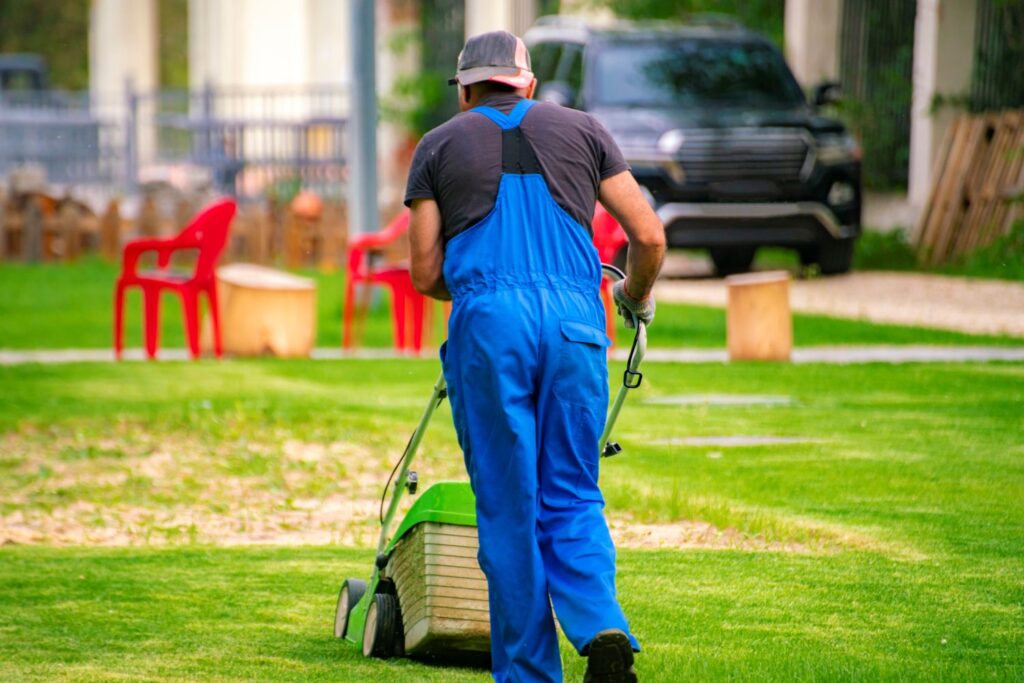
It’s tempting to fire up the mower as soon as that green starts peeking through. But wait! Mowing prep is essential. Be sure your mower blades are sharp, your deck height is set properly (aim high for the first few cuts), and your soil is dry enough to support the weight of your mower without causing compaction.
Lawn mowing in Atlanta should be gentle at first. Don’t scalp the grass! Keeping it slightly taller in early spring protects young roots and helps shade out early weed growth.
Spring Irrigation: Water Smart, Not Hard
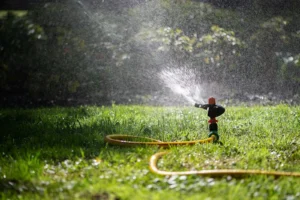
Seasonal irrigation is tricky in Atlanta, where spring can bounce from rainstorms to drought spells. Instead of sticking to a strict schedule, water based on what your turf needs.
Stick your finger into the soil—if it feels dry 2–3 inches down, it’s time to water. Early morning is best to reduce evaporation and prevent fungal outbreaks.
Pro tip: investing in a smart irrigation controller helps you time watering with weather patterns (and saves water!).
Bonus Tip: Watch for Frost Recovery Issues
Atlanta’s late frosts can sneak up and damage newly green grass. If your lawn starts to turn yellow unexpectedly, it could be frostbite. Hold off on heavy treatments until temps stabilize and focus on gentle recovery instead—like spring aeration and mild fertilization.
Let Weed Pro Bring Out the Best in Your Lawn
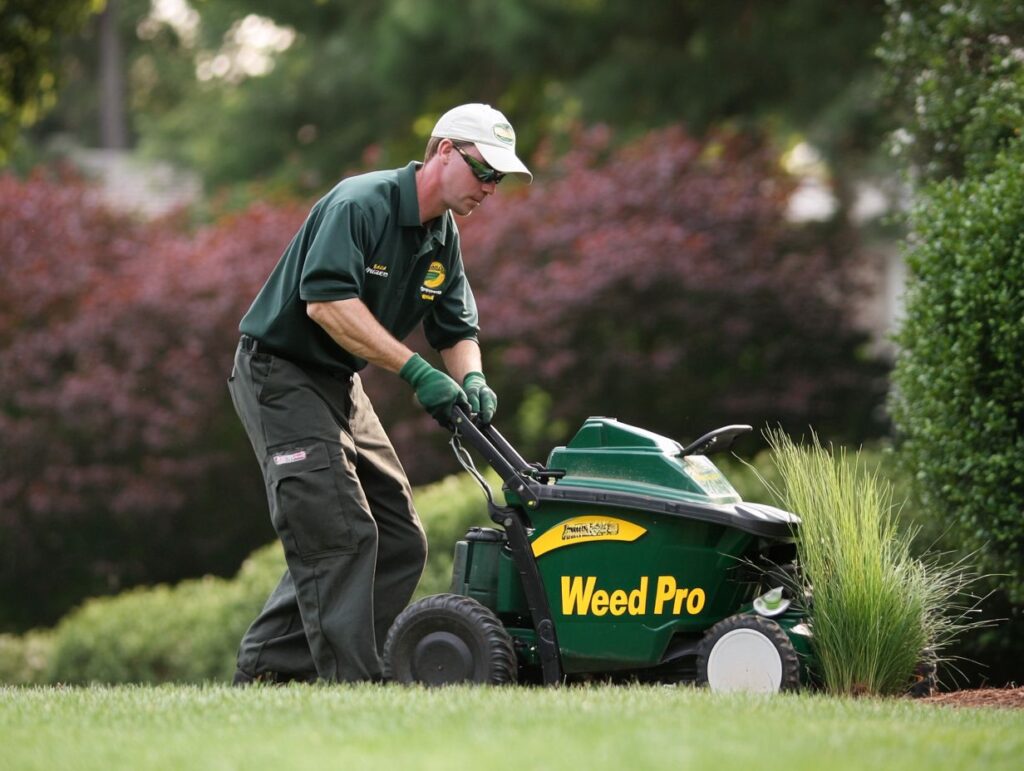
If spring lawn care sounds like a full-time job, you’re not wrong—but you don’t have to do it alone. At Weed Pro, we help Atlanta homeowners craft a custom care plan that fits their lawn, their lifestyle, and their budget. Whether you’re looking for a full service or just a seasonal tune-up, we’ve got the expertise (and the friendly techs!) to make it happen.
Don’t guess—let the pros grow your lawn right.
FAQ: Your Spring Lawn Questions—Answered
How soon after spring aeration can you mow your lawn?
Give your lawn about 1–2 days after aeration before mowing. This gives the soil time to settle and ensures your mower doesn’t compact freshly opened channels. If you’re also overseeding, wait until the new seeds have had a chance to germinate and establish roots.
Is spring the best time to start a new lawn in Atlanta?
Not necessarily. Warm-season grasses like Bermuda and Zoysia prefer late spring to early summer for seeding or sodding. Spring can work with careful prep, but fall is usually better for cool-season grasses like Fescue. Soil temperature is key—aim for 60°F or above for strong root development.
Should you use weed and feed in early spring?
“Weed and feed” products are convenient but not always the best choice for Atlanta lawns. They can interfere with overseeding, and their timing isn’t always ideal for both feeding and weed prevention. A split approach—applying pre-emergent and fertilizing separately—gives you more control and better results.
🌿 Up Next: Don’t Let Weeds Win This Summer
Weed Control in Atlanta, GA: Summer Prep Starts Now
Ready to stay one step ahead of crabgrass, dandelions, and more? Check out our next article for pro tips on keeping your lawn weed-free through the hot Atlanta summer!