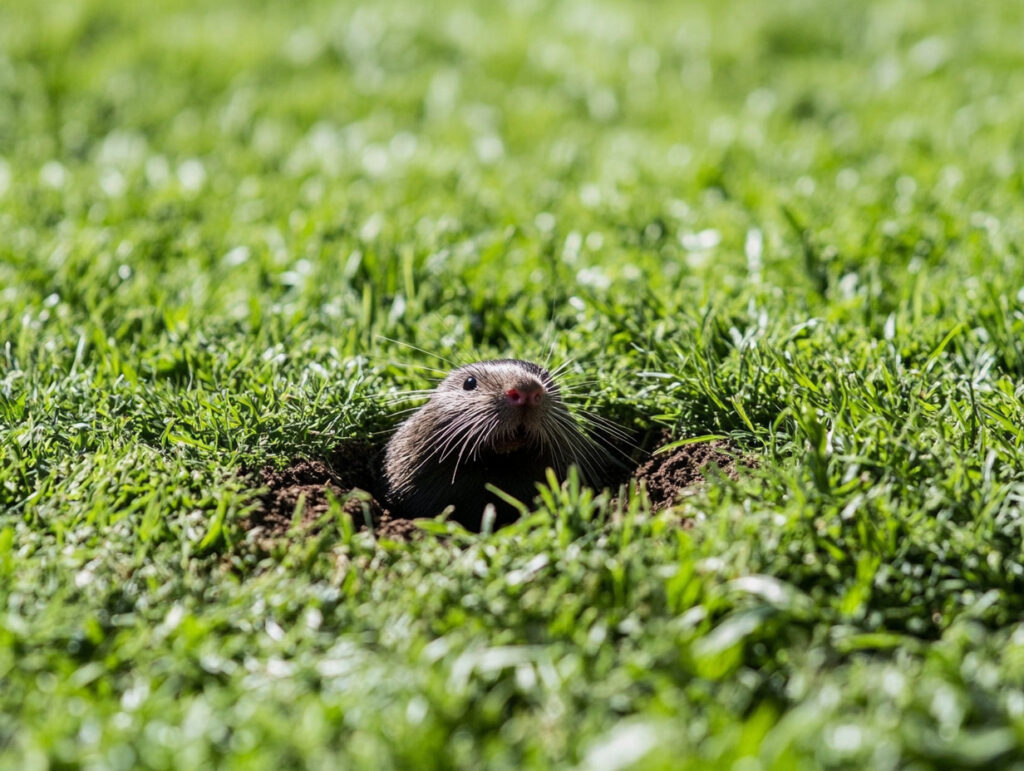
Moles burrow across your Dunwoody lawn in search of food, leaving unsightly ridges and mounds that damage the health of your turf when left unresolved. Learning what attracts moles to your yard is the first step in addressing a mole problem with ongoing Dunwoody lawn mole prevention. In this guide, you will learn what attracts moles, how to identify mole activity, the best ways to deter moles, when you should seek professional help, and what you can do to repair damaged turf. With this information, Dunwoody homeowners can protect their green spaces while feeling comfortable with calling a professional service provider like WeedPro.
What Attracts Moles to Your Dunwoody Lawn?
Moles are attracted to lawns that are full of earthworms and larvae of insects – the available food energy from these food sources is required as part of the moles’ high metabolism. For example, a yard infested with grubs provides the energy and protein that moles desire, and moist soils with loose soil support tunneling.
- A high population of grubs provides concentrated nutrition for moles to meet their daily energy needs.
- An abundance of earthworms provides a continuous food supply in an area under your turf.
- Soils that are seasonally wet in the spring and fall provide easier burrowing conditions and improved access to insects.
All of the above create ideal conditions, ultimately leading to visual damage, which necessitates attempts at early detection.
Which Food Sources Draw Moles to Dunwoody Lawns?
Moles primarily consume grubs, earthworms, and insects that live in the soil because these invertebrates provide the protein and fats they need to support their increased metabolism. Primarily, grubs from Japanese beetles, and the larvae that do damage to your turf, offer small amounts of protein and fat and concentrated energy for the mole.
How Do Soil and Moisture Conditions in Dunwoody Encourage Mole Activity?
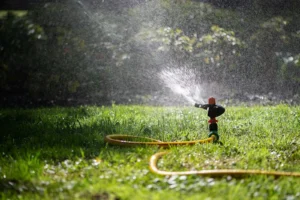
The loamy soils of Dunwoody hold moderate moisture after rains, resulting in soft, friable surfaces that are easily excavated by moles. When either watering events or rainfall saturate the soil to a certain depth, as in irrigation schedules or during wet weather seasons, moles enlarge their networks of tunnels and increase food availability to access food pockets that are lodged below the soil surface.
What Local Factors Make Dunwoody Lawns Ideal Mole Habitats?
Dense thatch, faulty grading with pockets of (millimeter) wet zones, and/or inconsistent irrigation explain higher insect densities and moisture zones, which allow protection and foraging for moles, respectively. Furthermore, consistent and frequent watering to revive turfgrass during the hot Georgia summers creates additional lubrication for moles to tunnel with ease and comfort.
How Can You Identify Signs of Mole Activity in Your Dunwoody Yard?
Identifying signs of mole damage early helps you minimize turf recovery and repair costs by addressing your infestation case before it proliferates. Distinct surface signs indicate subterranean feeding, prompting earlier action to prevent further damage.
What Are the Common Signs of Mole Damage in Dunwoody Lawns?
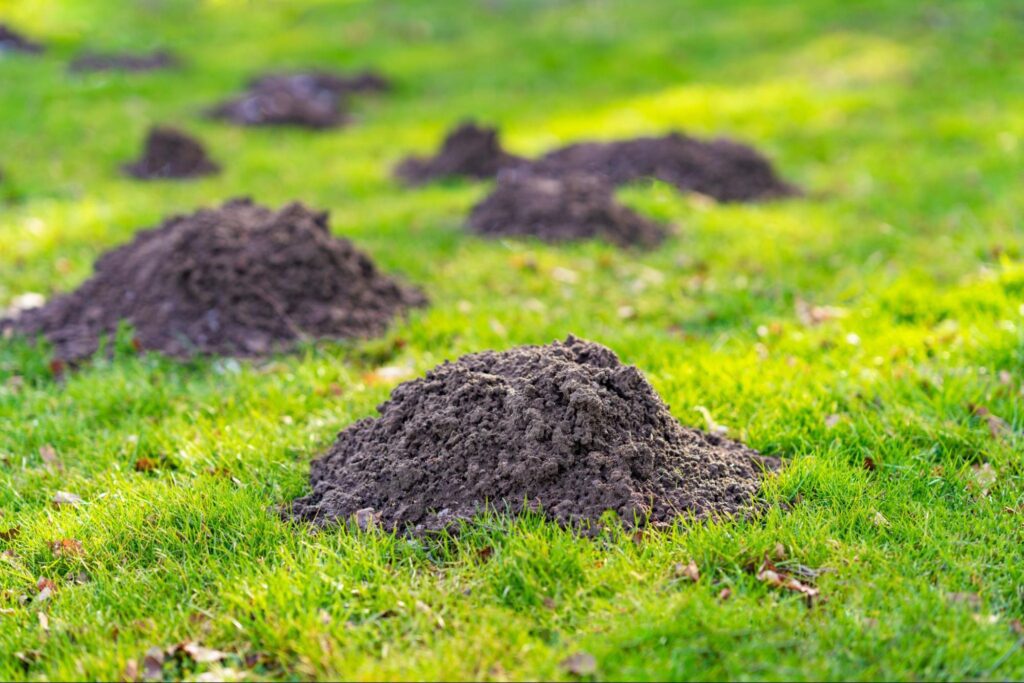
Raised mounds of smooth, finely crumbled soil, semi-circle tunnel ridges, and soft depressions where turf roots are sheared all indicate signs of live/active moles. These physical indicators typically occur overnight, effectively converting a once-uniform lawn into an uneven field of soft depressions and ridges.
How to Differentiate Mole Damage from Other Lawn Pests Like Voles?
As opposed to voles, which gnaw grass close to the surface with accompanying visibly seen droppings nearby, moles are likely unable to chew vegetation since they do not form through chewing. You will see pellet-like scats from voles in grass, but moles do not leave scats in their tunnels.
Which Visual Indicators Should Homeowners Watch for Early Detection?
Look for ceiling discoloration or wilting patches above hidden tunnels, which may be caused by soil compaction conditions that disturb root moisture uptake. Early recognition of awareness, such as linear ridges or small soil ridges, can minimize the severity of the condition by prompting actions to correct it.
What Are the Best Mole Deterrents for Lawns in Dunwoody?
Effective mole deterrents combine repellent applications, habitat modification, and biological controls to create an environment moles avoid. Here’s a comparison of top methods:
| Deterrent | Mechanism | Benefit |
|---|---|---|
| Castor Oil Repellent | Irritates mole’s digestive tract and scent glands | Encourages migration away from treated areas |
| Marigolds and Alliums | Emit strong sulfur compounds that disturb moles’ sense of smell | Forms a natural barrier along garden edges |
| Grub Control Treatment | Reduces primary food supply through targeted insecticides | Lowers mole attraction by depleting larvae |
What DIY Mole Prevention Methods Are Effective for Dunwoody Homeowners?
The reduction of thatch buildup, combined with improved drainage and a grub-control treatment, limits food availability and also reduces conditions favorable for tunneling. Raised beds and a barrier of rocks underneath the perimeter walls can also interrupt the burrow lines.
When Should You Consider Professional Mole Removal Services in Dunwoody?
It makes sense to hire professional help when DIY management has not reduced the continued enlargement of tunnel networks or the damage has increased the decline of roots. Seeking professional help sooner rather than later will improve your chances of maintaining overall lawn health.
What Mole Removal Techniques Do Professionals Use in Dunwoody?
Specialized traps are set in active runways by professional teams, and humane catch and release methods are used when appropriate. Targeted grub treatments can also be applied to eliminate the grub as the main food source. This intentional approach provides a marked success in eradication.
How Does Professional Grub Control Help Prevent Mole Infestations?
By reducing the grub’s food source underneath the root zone, professional applications target the primary food source of the moles, leading to a decrease in visits to forage, less tunneling, and a reduced overall presence.
How Can You Repair Lawn Damage Caused by Moles in Dunwoody?
Once damage has occurred, you will need to aerate, topdress, and reseed the lawn, which will help repair tunneling collapses and establish healthy turf. You want to restore your lawn as soon as possible—doing so will help stabilize the soil and prevent future issues.
What Steps Are Involved in Repairing Mole Damage to Your Lawn?
- Core aeration relieves compaction around the tunnels.
- Topdress with soil to fill in depressions and even out mounds.
- Overseed with a tolerant mix appropriate for Georgia.
- Water lightly and regularly until new shoots are established.
How Does Timely Lawn Repair Prevent Future Mole Problems?
By quickly repairing the soils and turf, you create opportunities to fix consistent moisture-holding practices. When you repair the soil, you are removing areas that could hold water, effectively eliminating gaps for insects to pile up and thereby break the mole life cycle. Healthy lawns with established roots are simply less appealing to burrowing pests.
Stop Moles Before They Start
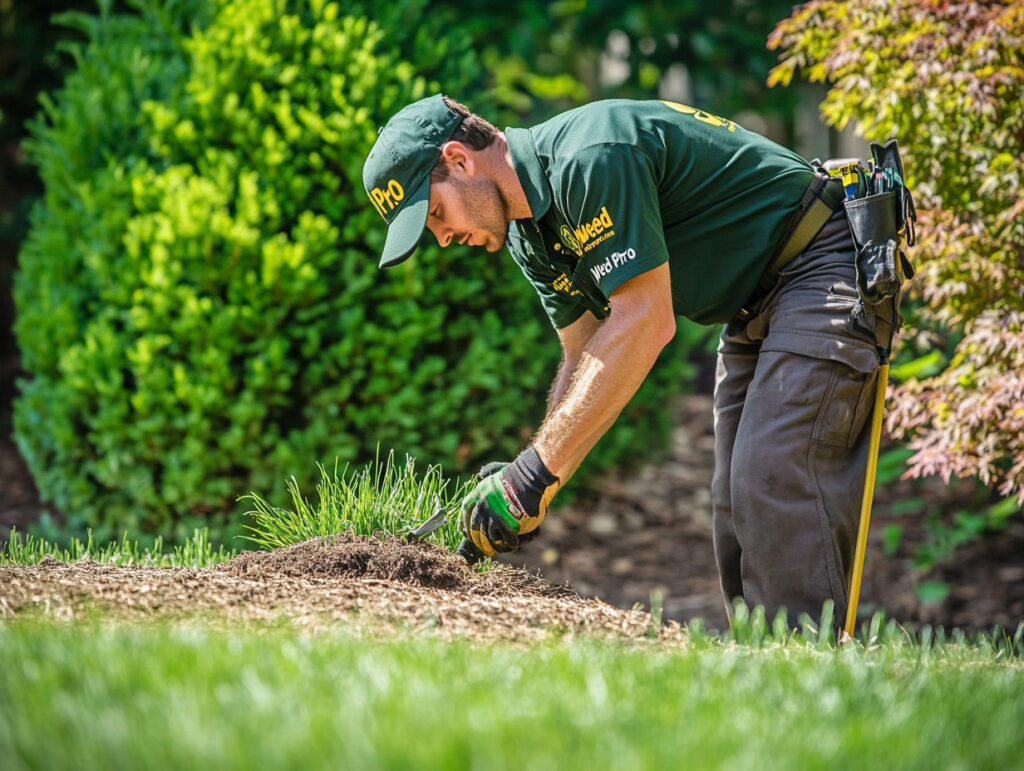
Moles do not simply appear in your lawns—they are looking for food and moisture, and melty loamy soil. When you determine why they chose your lawn, it becomes easier to take a more proactive approach to prevention. By determining the attractant and applying deterrents, Dunwoody homeowners can reduce their risk of recurring mole problems. The presence of moles reflects potential conditions around soil and/or insect activity related to lawn conditions. With adequate prevention, your yard can reduce its invitation for moles while also caring for the health and visual appearance of your landscape.
Contact us at WeedPro to arrange mole deterrent and control services that will help protect your lawn in Dunwoody in the long term.
FAQs
Why do moles prefer certain lawns over others?
They look for moist soil rich in insects like grubs and earthworms, which serve as their primary food source. Lawns with high insect activity or softer soil are much more attractive to these burrowing pests.
Can lawn treatments reduce mole activity?
Yes, reducing grub populations through targeted treatments can make your lawn less appealing to moles. By removing their main food source, you naturally discourage them from settling in your yard.
Do moles stay active year-round in Dunwoody?
They’re most active in spring and fall when the soil is moist and insects are abundant. However, in mild conditions, moles may continue tunneling throughout the year.
Improve Your Lawn’s Health with Overseeding
A stronger lawn resists pests and stress. Read our next article: “Lawn Overseeding Techniques for a Thriving Dunwoody Lawn: Expert Tips and Local Insights.”