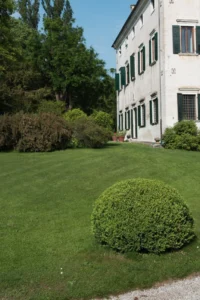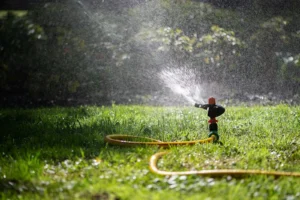
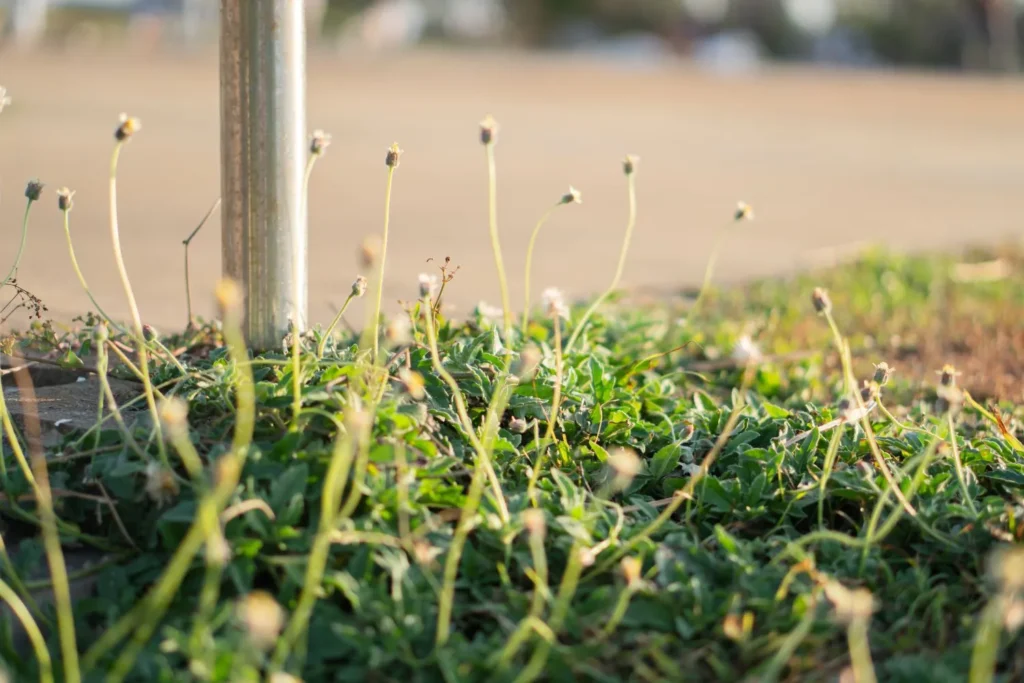
A healthy lawn in Georgia depends on one simple idea: stop new weeds before they ever sprout, and remove the weeds that do manage to break through. When those two strategies work together, and when they follow the natural rhythm of our growing seasons, turf stays thicker, cleaner, and far easier to maintain. This guide explains how each method works, when to use it, and how it fits into a Georgia seasonal plan. You’ll also find practical yard-care habits that make both approaches more effective.
Understanding Prevention vs. Removal
Prevention and removal solve different parts of the weed problem. Pre-emergent products create a barrier in the topsoil that keeps seeds from finishing germinating. That makes them ideal for annual grasses like crabgrass, which rely on early-season soil temperatures to get started. Post-emergent products, on the other hand, work on plants that are already visible, whether they’re young seedlings or established broadleaf weeds.
Most lawns in Georgia benefit from a mix of both, especially when weeds are tied to seasonal temperature swings and soil conditions.
How Pre-Emergent Control Blocks Weeds Before They Start
Pre-emergent herbicides work by interrupting the early growth process inside the seed. Once applied, they form a thin chemical layer near the soil surface that prevents germinating weeds from emerging. For Georgia, the most important step is timing: apply in early spring before soil temperatures settle into the mid-50s, and again in fall to keep winter annuals from gaining ground.
Used correctly, pre-emergents simplify the rest of the year by shrinking the number of new weeds you have to manage.
When Post-Emergent Removal Gives Faster Results
Post-emergent products are your go-to when weeds are already growing. Systemic treatments move through the plant to the roots, ideal for deep-rooted species, while contact herbicides work on the surface of smaller or younger weeds. Manual pulling still has a place, especially for isolated broadleaf weeds or small clusters where chemical use isn’t necessary.
For best results, treat weeds when they’re young and actively growing, and choose calm, dry weather so the product stays where it’s applied. For tougher species like dallisgrass or nutsedge, or for large-scale outbreaks, professional help ensures the right chemistry without harming surrounding turf.
Cultural Practices That Strengthen Weed Prevention
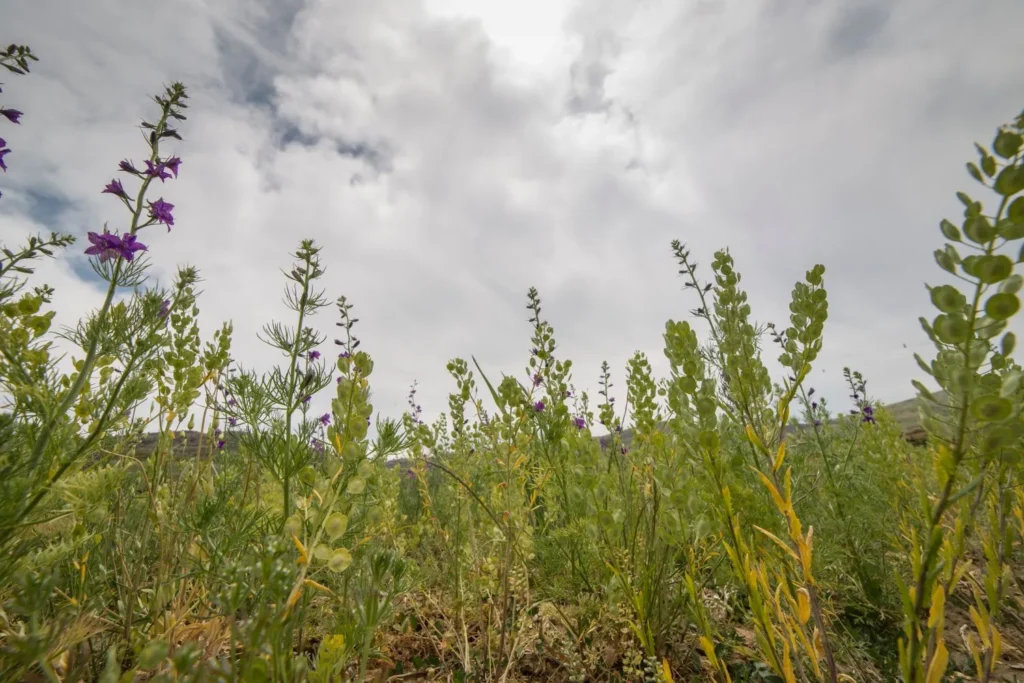
Healthy turf is the best long-term defense against weeds. Cultural practices, such as mowing, watering, fertilizing, and aeration, make the grass thick enough to shade the soil and crowd out seedlings. Even small changes can produce visible improvements by giving your lawn the advantage.
Practical prevention habits for Alpharetta lawns:
- Mow at the recommended height to encourage deep roots and shade the soil surface.
- Water deeply and less often, so turf develops a root system that weeds struggle to compete with.
- Fertilize during active growth, especially for warm-season grasses, to help turf fill thin areas.
- Aerate and overseed where necessary to close gaps where weeds take hold.
Together, these habits create conditions that support turf density and make pre-emergent work more reliable.
How Soil Health and Mulching Support Weed Control
Healthy soil gives turf the vigor it needs to resist weed pressure. Good structure, a balanced pH, and sufficient organic matter help roots spread and improve nutrient uptake efficiency. In planting beds, mulch blocks sunlight, cools the soil, reduces erosion, and limits sprouting, all while improving soil biology over time.
In lawn areas, topdressing with compost and maintaining steady organic matter helps keep the root zone active and resilient, reducing open areas where weeds can take hold.
Choosing the Right Technique for Existing Weeds
Once weeds appear, a combination of removal approaches works best:
- Hand pulling for isolated broadleaf weeds.
- Selective post-emergents for mixed lawns that help preserve your turf.
- Systemic herbicides for hardy, deep-rooted species that regrow if not treated thoroughly.
- Non-selective products for hardscape or renovation areas where total removal is acceptable.
After any removal step, quickly fill bare areas, overseed, fertilize if needed, or improve soil conditions, to prevent weeds from returning.
When to Use Manual Removal or Spot Treatments
Manual removal is ideal for small clusters or single weeds with shallow roots and a patch that is easy to reach. Spot sprays are used when you want to avoid blanket applications, especially important in summer when turf can be stressed. After removal, repair thin areas right away to prevent the next round of seedlings from moving in.
Persistent weeds like dallisgrass or nutsedge often require specialized treatments matched to their growth habits. That’s where professional evaluation becomes especially valuable.
Why Integrated Weed Management Works Best in Alpharetta
An integrated approach combines prevention, monitoring, removal, and cultural practices in a rhythm that matches Alpharetta’s climate. Rather than relying solely on herbicides, Integrated Weed Management uses timing and turf health to reduce overall weed pressure.
A simple seasonal outline for Alpharetta looks like this:
- Early Spring: Apply pre-emergent, repair thin areas, and prepare mowing for the season.
- Summer: Monitor for outbreaks, spot-treat as needed, and keep watering and mowing consistent.
- Fall: Apply fall pre-emergent, aerate compacted soil, and overseed thin or stressed areas.
- Winter: Observe problem spots, avoid unnecessary soil disturbance, and plan for early spring timing.
This pattern keeps weeds from establishing year after year and strengthens turf so it outcompetes new growth.
Why Many Homeowners Choose Professional Weed Control
DIY efforts can work for isolated issues, but timing, product choice, and application accuracy matter more than most people expect, especially with warm-season grasses and fast-growing weeds. Professional programs offer consistent timing, tailored treatments, and ongoing monitoring. That often means fewer total applications, better turf density, and lower long-term costs than repeated trial-and-error.
A professional team also brings knowledge of Alpharetta’s soils, weather, and weed cycles, helping you choose a preventive, removal-focused, or integrated plan based on your property’s needs.
Choose the Right Weed Strategy for Your Yard

Knowing whether your lawn needs prevention, removal, or both is the first step toward reliable, long-term control. Our specialists can evaluate your turf, identify the weeds present, and recommend a treatment plan that reduces chemical use while improving results. From pre-emergents to targeted post-emergent spot work, we apply the right tools at the right time.
Contact us today to schedule a weed-control assessment and get personalized recommendations for your property.
Frequently Asked Questions
Is pre-emergent safe to use on any type of lawn?
Most warm-season lawns tolerate pre-emergents well when applied correctly, but timing and product selection are crucial. A professional assessment ensures compatibility with your specific turf.
Does hand-pulling weeds actually make a difference?
Hand removal works well for small patches or isolated weeds. It prevents the spread and reduces the need for chemical treatment in low-density areas.
Reference Section: Next Article in Series
Continue to: Why Professional Weed Control Saves You Time and Money