You’ve likely spent hours researching “best grass for my lawn,” only to hit a wall of conflicting information. One source says Fescue is king; another swears by Bermuda. Here is the truth that most general advice misses: choosing the right species (like Tall Fescue or Kentucky Bluegrass) is only step one.
To truly solve landscape challenges—whether it’s deep shade, heavy dog traffic, or drought—you need to look at the cultivar.
Think of the species as the make of a car (e.g., Ford), and the cultivar as the specific model and trim package (e.g., F-150 Raptor). If you want off-road performance, a standard sedan won’t cut it. Similarly, if you want a lawn that resists Brown Patch disease or survives a drought without constant watering, “generic contractor’s seed” won’t deliver.
This guide moves beyond the basics to explore advanced turfgrass genetics—the “super plants” that professional turf managers and elite service providers use to guarantee results.
The “Better Grass” Manifesto: Why Species Choice Isn’t Enough
For decades, the standard approach to lawn care was simple: throw down seed and hope for rain. But the science of turfgrass has evolved radically in the last ten years. University extensions and breeders have developed “elite” cultivars designed to solve specific agronomic pain points.
The difference between a generic variety (like the old “K-31” Fescue) and a modern elite cultivar is staggering. Research shows that modern hybrids can enter dormancy up to two weeks later and green up two weeks earlier than historic varieties like the older Midnight Bluegrass. That is nearly a month of extra green per year, purely based on genetics.
By selecting advanced cultivars, we aren’t just planting grass; we are installing a technology layer that naturally fights pests and environmental stress, reducing the need for excessive inputs later.
Top Performers by Problem: Solving Landscape Headaches
When evaluating your lawn renovation or establishment options, stop asking “What looks good?” and start asking “What problem am I solving?” Here is how elite genetics stack up against common lawn stressors.
The Drought Warriors
Water restrictions and sustainability concerns are driving the biggest innovations in turf science. If your primary goal is water conservation, looking at drought-resistant grass for atlanta yards and similar transition zones is critical.
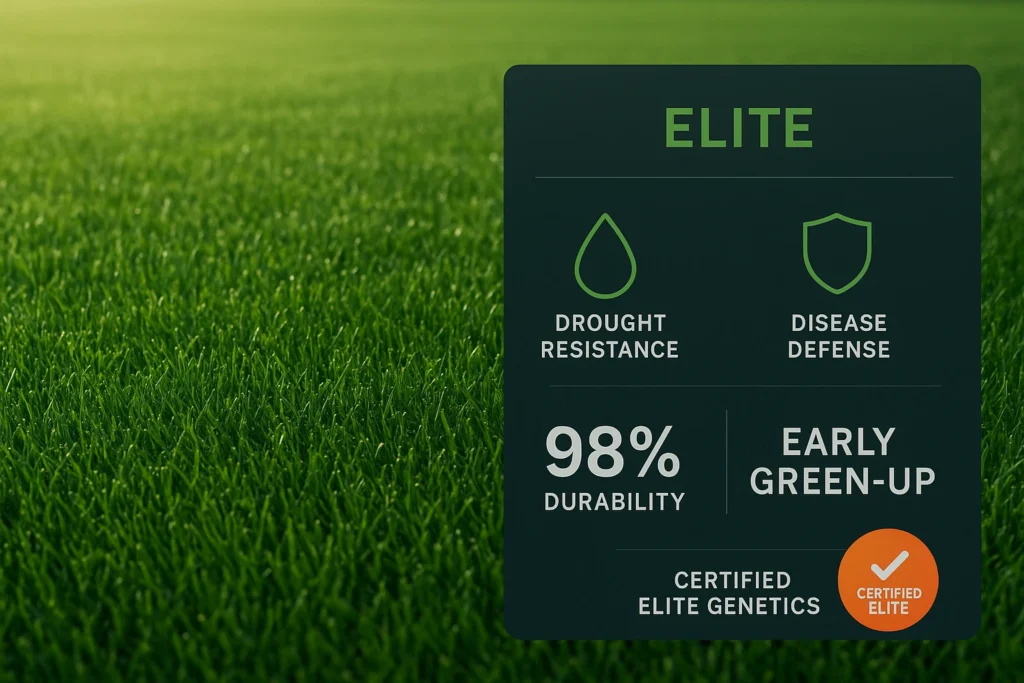
- TifTuf Bermuda: This is currently the gold standard for water efficiency. Documented research indicates TifTuf uses 38% less water than other Bermuda varieties while maintaining superior color during drought stress.
- Tahoma 31: A cold-tolerant Bermuda that survives further north than older varieties, offering exceptional winter hardiness alongside drought resistance.
- 4th Millennium SRP: For cool-season lawns, this Turf-type Tall Fescue (TTTF) features deep rooting potential that accesses moisture other grasses can’t reach.
The Shade Specialists
Shade is the number one cause of lawn failure. While no grass loves total darkness, new genetics have pushed the boundaries of low-light tolerance.
- Fine Fescues: Varieties like Chewings and Creeping Red fescue are staples for shady areas. Understanding fine fescue characteristics helps in selecting blends that offer soft texture and low light requirements.
- Sir Grange Zoysia: A premium warm-season variety originally tested on golf courses, known for handling significantly more shade than standard Meyer Zoysia.
The Disease Defenders
In the humid transition zone, fungal issues like Brown Patch can decimate a lawn overnight.
- New Gen TTTF: The latest Tall Fescues have been bred specifically for resistance to Brown Patch. This genetic resistance is often more effective than curative fungicide treatments. If you have struggled with brown patch lawn repair, upgrading your genetics is the long-term cure.
NTEP Decoded: How Pros Evaluate Performance
You might be wondering, “How do I know these claims are real?” The answer lies in the National Turfgrass Evaluation Program (NTEP). This organization conducts rigorous trials across the U.S., rating cultivars on traits like color, leaf texture, and disease resistance.
However, raw NTEP data can be dense. When we analyze this data for our customers, we look for:
- Turf Quality (TQ) Mean: The overall score of the grass performance.
- LSD (Least Significant Difference): A statistical marker that tells us if one grass is truly better than another, or if the difference is just random chance.
- Regional Data: A cultivar that scores high in Oregon might fail in Ohio or Georgia. We focus on “Transition Zone” and “North Central” data blocks to ensure local viability.
The “A-LIST” Advantage
Beyond NTEP, look for the “A-LIST” (Alliance for Low Input Sustainable Turf) approval. These cultivars are independently verified to require less water and chemical inputs. It is the closest thing to an “Energy Star” rating for grass seed.
Implementation: Getting Elite Genetics into Your Soil
Identifying the right cultivar is only half the battle. High-performance engines still need the right fuel and a clean track. Introducing these advanced cultivars into your existing lawn requires a strategic approach.
The Role of Comparison
It is vital to understand the trade-offs. For example, in the debate of zoysia vs fescue, Zoysia offers a carpet-like feel and heat tolerance, while Fescue stays green nearly year-round. Elite cultivars of either species will outperform generic versions, but the species characteristics remain the baseline.
Establishment Essentials
Even the most expensive seed (like a $100 bag of elite Bluegrass) will fail on compacted soil.
- Aeration is Key: To maximize the germination of elite seed, you must ensure seed-to-soil contact. Professional lawn aeration atlanta and Ohio homeowners rely on prepares the seedbed by relieving compaction, allowing these premium roots to penetrate deep.
- Overseeding Technique: When you invest in high-quality genetics, you want to protect that investment. A lawn overseeding service ensures the seed is applied at the correct rate and coverage, preventing the “clumping” look of amateur applications.
Seasonal Timing
Newer genetics, specifically “Hybrid Bluegrass,” are famous for aggressive establishment speeds. While traditional Bluegrass can take 21-30 days to germinate, some elite hybrids can pop in as little as 10-14 days, closing the window for weed competition.
Making the Decision
Choosing the right turfgrass is a 10-to-15-year decision. The few extra dollars spent on superior genetics today will save thousands in water, fungicides, and frustration over the life of your lawn.
Whether you are looking for the self-repairing capabilities of bermuda grass care hall county, ga or the year-round vibrancy of elite Cool Season grasses, the data is clear: advanced cultivars are the foundation of a VitaminLawn.
Don’t guess with your landscape. Contact our team today for a site-specific assessment, and let us help you select the high-performance genetics that fit your unique soil and sunlight profile.
Frequently Asked Questions
Q: Is “Certified Seed” really different from what I buy at the hardware store?
A: Yes. “Certified” means the bag contains the specific cultivars listed with zero weed seed. Hardware store mixes often contain “VNS” (Variety Not Stated) seed, which is essentially the leftovers of the industry—older genetics with lower performance ratings.
Q: Can I mix a new elite cultivar with my existing lawn?
A: Generally, yes. This is called “genetic diversity.” Introducing a high-performance cultivar into an older lawn slowly upgrades the overall resilience of the turf. Over time, the stronger genetics will dominate.
Q: Do elite cultivars require specific irrigation?
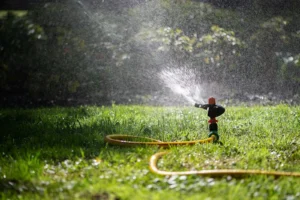
A: While they are more drought-tolerant, they still require water to establish. However, once established, varieties like TifTuf or A-LIST Fescues allow for more efficient drip irrigation system atlanta setups or reduced sprinkler run-times.