Key Takeaways:
- Turf can grow aggressively while still being unhealthy below the surface.
- Growth stimulation focuses on speed and color, not root strength.
- True turf health depends on soil conditions, root depth, and stress tolerance.
- Overstimulating growth often leads to increased disease, thinning, and burnout.
- Healthy turf grows steadily, recovers faster, and resists long-term problems.
Why Turf Health and Growth Are Often Confused
Many homeowners assume that if grass is growing fast and looks green, it must be healthy. In reality, turf health and growth are not the same thing. Growth is simply visible activity above the soil surface, while health reflects what’s happening underground, in the roots, soil, and microbial environment.
This confusion leads to lawn care decisions that prioritize quick results instead of lasting performance. Lawns may look impressive for a short time, but struggle when heat, drought, or disease pressure increases.
What Growth Stimulation Really Means
Growth stimulation focuses on pushing turf to grow faster and greener, usually through high nitrogen inputs or aggressive feeding schedules. While this can improve appearance quickly, it does not address the underlying conditions that support long-term turf survival. Common growth stimulation practices include:
- High-nitrogen fertilization
- Frequent feeding intervals
- Excessive irrigation to support rapid growth
- Surface-focused treatments that ignore soil conditions
These methods create fast top growth but often neglect root development and soil balance.
Why Fast Growth Can Be a Warning Sign
Rapid growth can actually signal stress. When turf is pushed to grow faster than its root system can support, it becomes more vulnerable to environmental pressure. Problems that often follow aggressive growth stimulation include:
- Shallow roots
- Increased disease susceptibility
- Thinner turf after stress events
- Higher water demand
- Faster burnout during the heat
A lawn growing “too well” can be borrowing strength from its future.
| Weed Pro Lawn Care: Local Lawn & Outdoor Pest Experts Reliable Service Backed by Results You Can See Choose the Right Lawn Care Solution for Your Property: Complete Lawn Care Programs: Ongoing, customized lawn care plans designed to strengthen turf, improve soil health, and reduce weeds. Targeted Weed & Pest Control: Focused solutions for persistent lawn weeds, invasive pests, and seasonal pressures such as mosquitoes and surface insects. Irrigation & Lawn Health Support: Professional support for irrigation efficiency, aeration, overseeding, and soil conditioning to improve water absorption, reduce runoff, and help lawns recover from compaction, disease, or environmental damage. Customer Praise:“We’re on the Weed Pro System, and our lawn has never looked better. Lush, green, and weedless. They always communicate in advance of service, and then follow up afterwards with what approach was taken.” – Rachel L. Why Homeowners Choose Weed Pro Lawn Care: Locally owned and operated, serving North Georgia communities Experienced technicians trained in region-specific lawn and pest challenges Customized service plans based on property conditions, not one-size-fits-all programs Environmentally responsible treatments with a focus on long-term lawn health Clear communication, reliable scheduling, and service you can trust Schedule your Service Today! |
What Turf Health Actually Looks Like
Healthy turf grows at a steady, controlled pace and maintains performance even under stress. It doesn’t require constant correction or emergency treatments to stay functional. Key indicators of true turf health include:
- Deep, well-branched root systems
- Balanced growth above and below ground
- Efficient water and nutrient uptake
- Strong recovery after mowing or stress
- Resistance to disease and weed invasion
Healthy turf doesn’t just look good, it holds up over time.
The Role of Roots in Turf Health and Growth Balance
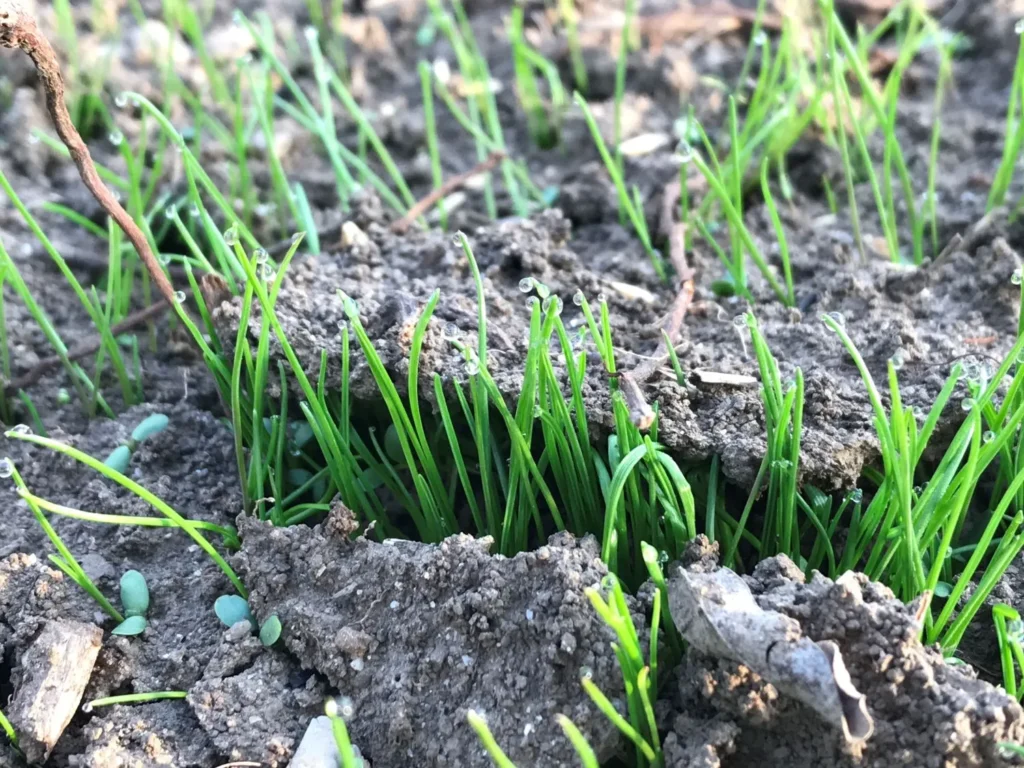
Roots determine how much growth turf can sustain. When roots are shallow or restricted, the plant compensates by prioritizing leaf growth to survive; not thrive. Strong root systems:
- Anchor turf during stress
- Improve nutrient efficiency
- Regulate growth naturally
- Reduce dependence on frequent inputs
Without root support, surface growth becomes fragile and unsustainable.
Why Overstimulating Growth Weakens Turf Over Time
When turf is repeatedly pushed to grow faster than soil conditions allow, the plant diverts energy away from root development. This creates a cycle where the lawn looks good briefly, then collapses under pressure. Over time, overstimulation leads to:
- Soil nutrient imbalances
- Compaction-related stress
- Increased fungal activity
- Reduced drought tolerance
Instead of building resilience, the lawn becomes dependent on constant intervention.
How Soil Conditions Separate Growth From Health
Soil determines whether growth is sustainable or forced. Healthy soil supports balanced growth without extremes, while poor soil encourages artificial stimulation. Soil factors that influence turf health include:
- Oxygen availability
- Moisture movement
- Organic matter levels
- Microbial activity
- Root penetration depth
When these factors are ignored, growth becomes cosmetic rather than functional.
Why Healthy Turf Grows Slower and That’s a Good Thing
Slower, controlled growth is often a sign of strong turf health. It means energy is being allocated to roots, storage, and recovery rather than constant leaf production. Benefits of slower, healthier growth include:
- Less mowing stress
- Improved heat tolerance
- Fewer disease outbreaks
- More consistent density
- Longer-lasting color
Healthy lawns don’t rush; they endure.
How Lawn Care Programs Accidentally Promote Growth Over Health
Many lawn programs unintentionally prioritize growth because results are easy to measure visually. Green color and rapid growth provide rapid feedback, even as long-term health declines. This approach overlooks:
- Soil Compaction
- Root depth limitations
- Moisture imbalance
- Biological inactivity
Over time, these hidden problems override surface improvements.
Shifting the Focus From Growth to Turf Health
Improving turf health requires changing the goal from “fast results” to “lasting performance.” This means working with the soil and plant biology rather than against them. A health-first approach focuses on:
- Root development
- Soil structure improvement
- Balanced nutrition
- Stress management
- Sustainable growth patterns
When turf health improves, growth follows naturally; without forcing it.
Why Long-Term Turf Health Reduces Overall Maintenance
Healthy turf needs fewer corrective treatments because it handles stress more effectively. Instead of reacting to problems, maintenance becomes preventive and predictable. Long-term benefits include:
- Fewer disease treatments
- Reduced water usage
- Lower fertilizer dependence
- Better seasonal transitions
In the long run, health-focused lawns are easier and cheaper to maintain.
Build Turf That Lasts, Not Just Grows
If your lawn looks green but struggles every summer, growth stimulation may be masking deeper turf health issues. True turf health starts below the surface and shows itself through resilience, recovery, and consistency; not just rapid growth.
Contact Weed Pro Lawn Care today to schedule a lawn evaluation and learn how shifting the focus from growth to turf health can deliver stronger, longer-lasting results for your property.
FAQ
Is fast grass growth a sign of a healthy lawn?
Not always. Rapid growth can indicate excess nitrogen or stress-driven leaf production rather than strong roots or soil health.
Can turf health improve without reducing growth?
Yes. Healthy turf still grows, but at a controlled pace supported by deeper roots and balanced soil conditions.
Why does a lawn thin out after growing well earlier in the season?
This often happens when growth is overstimulated early, leaving shallow roots unable to handle heat or drought later.
Continue Learning About Organic Weed
Continue to our next article: Why Organic Weed Suppression Often Fails Mid-Season.