While summer heat and humidity can turn lush turf into ugly brown patches, addressing these conditions is your first step toward a consistently healthy yard. This guide will take you through the common causes of brown patches.
What’s Causing Those Brown Patches in Your Marietta Lawn This Summer?
Brown patches appear when the grass can’t recover from damage as quickly as the damage is occurring. This is often due to disease, insect activity, or imbalances in soil and moisture. During Marietta’s hot, humid summers, three main factors are usually at play:
- Brown Patch Fungus: Thrives in warm, wet conditions, damaging grass blades and roots.
- Grub Infestation: Disrupts the root system, leading to spongy, brown areas.
- Drought Stress & Soil Compaction: Limits water and air penetration, causing grass to wilt.
These issues can sometimes occur together, so pinpointing the exact cause is key to choosing the right solution.
How Does Brown Patch Fungus Impact Marietta Lawns?
Brown patch fungus is a turf disease caused by the soil-borne pathogen Rhizoctonia solani. This disease attacks grass blades and stolons, creating circular lesions that resemble smoke rings, eventually killing the affected grass and root systems. The disease spreads rapidly when nighttime temperatures exceed 80°F and there is moisture present overnight, often impacting the most popular backyard grasses, such as tall fescue, bermuda, and zoysia. Identifying brown patch disease early will allow you to use fungicide and alter your practices before it advances.
Can grubs or other pests cause brown patches or spots on grass?
Yes. The white grub feeds on grass roots, compromising the grass’s ability to acquire water and nutrients. This results in irregular brown patches that can be easily lifted, like the prongs of a loose carpet. Grub outbreaks typically occur from late spring through early summer, and the damage often appears as irregular patches rather than a consistent patch or rings, as with turf diseases. Effective control of grub insects is typically achieved through the use of beneficial nematodes or insecticides. Treating grubs can protect grass root systems and keep lawns healthy.
How do environmental stressors such as drought and compaction lead to brown patches on grass?
Prolonged periods of drought and compacted clay soils are essential factors that prevent grass roots from obtaining water and moisture. The result of insufficient water leads to grass thinning out, a straw-like color, and brittleness. Compaction often occurs due to excessive foot traffic, and drought can occur from inconsistent watering, preventing deep moisture from reaching the grass roots. Compacted soils can often be fixed through aeration, and drought can be addressed with consistent, deep watering to prevent the brown areas from advancing.
How Can You Identify Different Types of Brown Patches on Your Lawn?
To accurately identify the cause of brown patches, you need to look at the patterns, texture, and timing, considering recent weather or pest activity. Comparing key symptoms side-by-side will help you diagnose the problem faster and decide on the best treatment.
| Cause | Symptom | Visual Cue |
|---|---|---|
| Brown Patch Fungus | Circular rings, typically 6–12 inches wide | Brown circles with smoky-looking edges on the turf |
| Grub Feeding | Irregular patches of dead grass | Spongy turf that lifts up easily |
| Drought & Compaction | Even thinning, grass turns straw-colored | Dry, hard soil and wilting grass blades |
By matching these indicators to what you see in your lawn, you can choose the right treatment without delay.
What Are the Signs of Brown Patch Fungus on Tall Fescue and Bermuda Grass?
On tall fescue and Bermuda grass, the brown patch lesions start as small, water-soaked spots that grow into circular patterns that are 6–12 inches in diameter. These spots have a tan center with darker edges and can cause the affected grass blades to collapse underfoot. If the weather is cool and damp, the fungus will produce visible “smoke rings” of growth around the edges during the night. Identifying these signs on common Georgia grasses allows you to apply prevention fungicides in a timely manner.
How Do You Tell the Difference Between Grub Damage and Brown Spots from Fungal Activity?
Grub damage appears as irregular patches of turf that lift easily, like a carpet. Brown patch fungus appears as circular, brown patches with hard edges and distinctly smoky edges of discoloration. Grub-damaged areas feel softer and spongier. Knowing the differences in thickness and shape will allow you to pursue the appropriate disease or pest control recommendations.
What Does Drought Stress Look Like in Lawns in Marietta?
Drought stress typically manifests as uniform, straw-colored regions with grass blades wilting and soil becoming hard and dry to the touch. These uniform-looking patches do not have distinct rings and lack the spongy feel that is characteristic of fungus or grubs. Drought-stressed patches generally develop after prolonged dry periods or when irrigation practices are erratic. Recognition of drought-stressed grass browning is a cue to aerate the lawn and modify the irrigation program.
What Are the Best Ways to Treat Brown Patches on Marietta Lawns?
Effective treatment involves a mix of chemical and cultural controls, chosen based on the specific cause. Start by addressing any disease, then move on to pests and soil conditions.
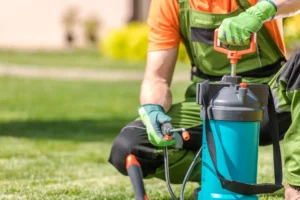
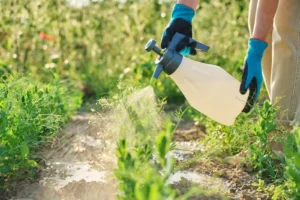
- Fungicide Application: Apply a broad-spectrum fungicide labeled for brown patch as soon as you notice the characteristic smoke-ring lesions.
- Grub Control: Use beneficial nematodes or an approved insecticide in early summer to manage larval beetle populations.
- Cultural Practices: Aerate compacted areas, maintain the correct mowing height, and adjust fertilization to promote strong root growth.
These targeted actions will help your turf recover and prepare it for ongoing preventative care.
How Does Fungicide Application Help Control Brown Patch Fungus?
Fungicides prevent the growth of Rhizoctonia solani on the grass blades, minimizing the fungus’s ability to spread throughout the plant and protecting new growth. If fungicide is applied under the right growth conditions, specifically during a humid night, the fungus will be prevented from forming smoke-related ring patches, and the turf will grow back sooner.
How Can You Prevent Brown Patches on Your Marietta Lawn This Summer?
Proactive lawn care builds resilience against seasonal challenges and reduces the need for intensive treatments.
| Preventive Measure | Benefit | Recommended Frequency |
|---|---|---|
| Deep watering early in the morning | Develops strong, drought-resistant roots | Twice weekly |
| Balanced fertilization | Boosts plant health and disease resistance | Every 6–8 weeks |
| Organic Based Program™ | Enhances soil health with natural ingredients | Quarterly applications |
Sticking to this routine helps maintain consistent green coverage and discourages brown patch from developing.
What Is the Ideal Watering Schedule for Marietta’s Summer Climate?
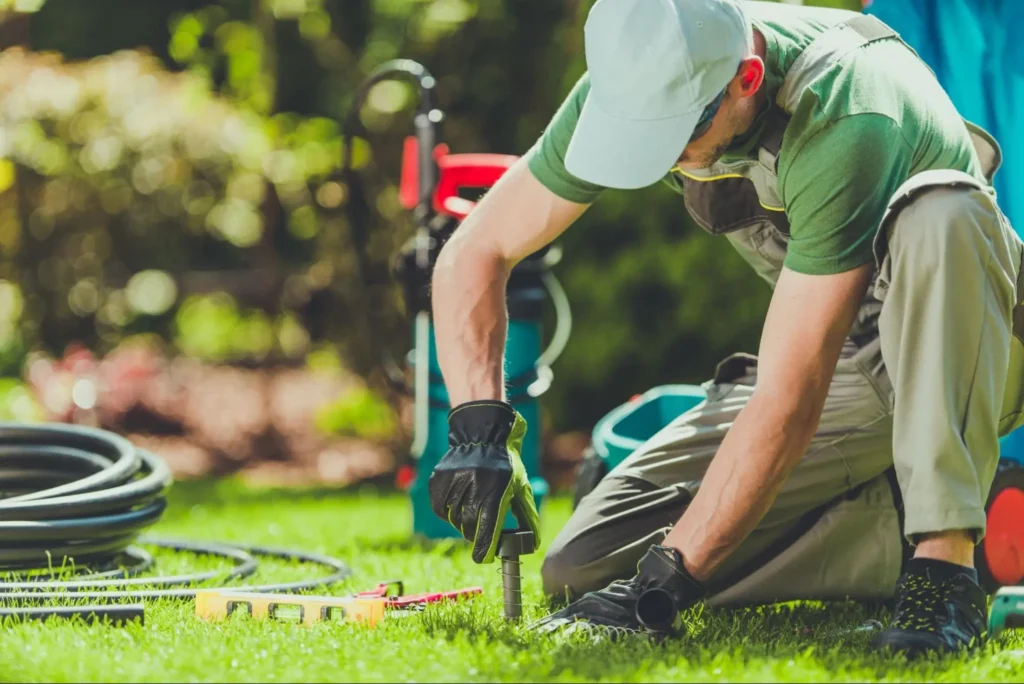
The best method to manage your lawn in the summer is to water deeply twice a week, preferably before 8 AM, and apply approximately one inch of water per irrigation to ensure the root zone is saturated. Morning irrigation will prevent midday stress and avoid the overnight moisture that fungi love. Consistent watering, even if it is only twice a week, builds consistent moisture that promotes a healthy turf.
How do you fertilize and amend soil to reduce the chances of brown patch forming?
Using a balanced fertilizer (nitrogen, phosphorus, potassium) while also using the cool spring and early fall times to build root reserves. Soil tests help guarantee that you are putting the most effective nutrients back into your soil.
When Should You Call Lawn Care Professionals for Brown Patch Issues?
If you’re dealing with severe or persistent brown patches, widespread grub infestations, or soil compaction that’s beyond your ability to fix, it’s time to call in the experts. A professional assessment ensures lasting solutions and a customized maintenance plan.
Stop the Patch Panic—Weed Pro Has Your Back
Brown patches are frustrating—and if you’re in Marietta, they show up fast during the summer heat. But don’t worry, you’re not alone, and you’re definitely not without options. Weed Pro identifies the root causes of discoloration, whether it’s fungus or drought stress. Then, we build a treatment plan that revives your grass quickly and prevents future damage. We’ll even coach you on watering schedules, mower heights, and aeration needs to keep things green and lush. Ready to fix those bare spots for good?
Contact us today for a customized lawn recovery game plan!
❓ FAQ
What causes brown patches in Georgia lawns?
Fungus or heat stress is often to blame. Grubs and dull mower blades can also create or worsen the problem.
Can you fix brown patches without reseeding?
Yes—if you catch the issue early, improved watering, fungicide, or soil treatment may help. Severe patches might need overseeding, though.
Does watering at night cause brown patches?
It can! Watering late promotes fungal growth. Water the grass early in the morning to reduce moisture sitting on it overnight.
👉 Up Next:
Want to revive your lawn’s health from the soil up? Check out:“Unlock Healthier Soil in Alpharetta: The Power of Lawn Aeration“