Let’s be honest—lawn care can feel like juggling flaming weed whackers while riding a lawnmower, especially when you’re trying to combine lawn fertilizer with weed control. Mix them wrong, and you risk frying your grass or doing nothing at all. Do it right, and you’ve got a lush, weed-free lawn that turns heads in Alpharetta!
At Weed Pro, we know balancing nutrients and weed killers isn’t as simple as tossing down whatever bag is on sale. Whether you’re fighting crabgrass or trying to kickstart your turf with a little nitrogen love, pairing products takes finesse, timing, and a solid game plan.
Let’s dive in and make your lawn both strong and spotless—without causing harm.
What Happens When You Combine Fertilizer and Weed Control?
The idea of killing weeds and feeding grass at the same time is tempting—and totally doable. But only if you understand what you’re working with.
There are combined lawn treatments out there, often sold as weed and feed applications. These products pull double duty: feeding your turf while knocking out unwanted invaders. However, not all formulas are created equal.
Some kill broadleaf weeds like dandelions. Others aim at grassy weeds like crabgrass. A few try to handle both. You need to know:
- What weeds you’re dealing with
- What type of grass do you have
- What time of year it is
And don’t forget—some combinations can stress your lawn more than help it, especially in Alpharetta’s fluctuating seasonal weather.
Pre-Emergent vs. Post-Emergent Weed Control
Timing is everything, especially when it comes to pairing fertilizer with weed control. That’s where the herbicide types come in:
Pre-Emergent Herbicides
Best used before weeds appear—usually early spring—these block weed seeds (like crabgrass) from germinating. You can often pair these with a spring fertilizer safely, especially if it’s a specially blended product.
Post-Emergent Herbicides
These are your go-to if weeds are already up and mocking your efforts. They’re most effective in late spring through summer and can be paired with fertilizer, but you’ll want to be cautious about product compatibility to avoid fertilizer burn risks.
So, if you’re asking, “Can I just mix two products and be done with it?”—slow your spreader! Understanding the formulation, ingredients, and your lawn’s condition matters.
The Dangers of Bad Combinations
Let’s talk lawn carnage. Pairing the wrong products or overapplying them can cause:
- Fertilizer burn: Too much nitrogen + herbicides = sad, brown patches.
- Lawn stress signs: Yellowing, wilting, and reduced turf growth.
- Soil toxicity: Repeated overuse can throw off the balance of essential nutrients.
- Ineffective treatments: If your combo doesn’t match the weeds and grass type, you’re wasting time and money.
Always read the label and understand the active ingredients. And when in doubt, ask a local expert.
How to Safely Combine Lawn Fertilizer and Weed Control
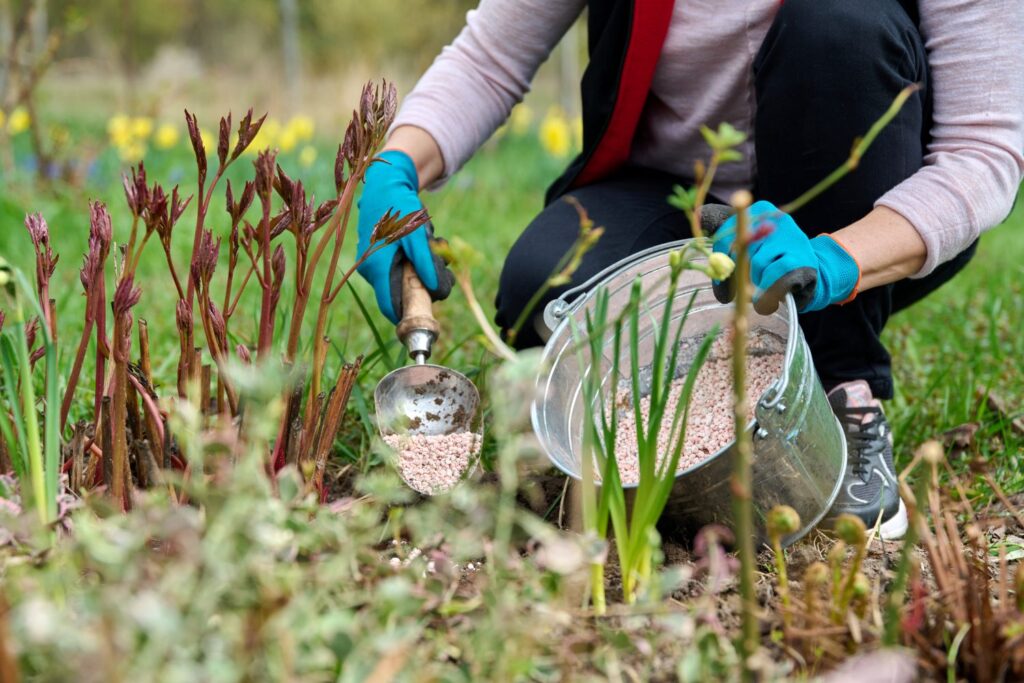
Ready to do it right? Here’s a smart approach:
1. Test Your Soil First
A quick soil test reveals what nutrients your lawn actually needs—saving you from overfeeding. It also shows whether your soil is healthy enough to support weed control.
2. Choose the Right Time of the Year
- Spring: Apply a pre-emergent weed control with a balanced spring fertilizer.
- Summer: Use post-emergent products for spot treatment and lighter feeding.
- Fall: Focus on lawn recovery and root development with high-potassium fertilizers.
3. Know Your Grass Type
Certain grass types—like Bermuda or Zoysia—respond differently to herbicides and fertilizers. Don’t assume your neighbor’s routine will work on your yard.
4. Use Products Labeled for Combined Use
If you’re a DIYer, choose weed and feed applications specifically labeled for your grass type and target weeds. This ensures lawn care product compatibility.
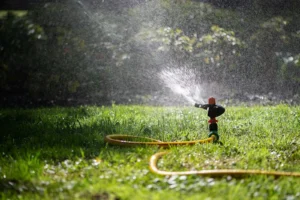
5. Water Smartly
Some treatments need water to activate; others need to stay dry to be effective. Check the instructions to know your watering schedule before and after application.
Common Mistakes to Avoid
Even seasoned homeowners make missteps when mixing lawn treatments. Here are the big no-nos:
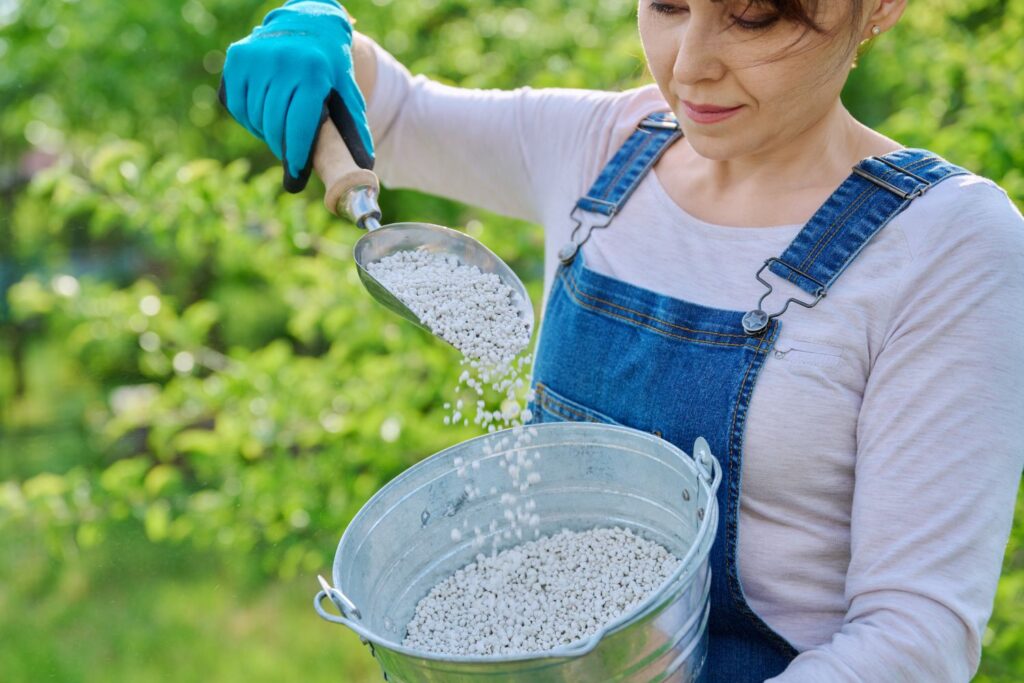
- Overlapping passes with your spreader
- Mixing liquid herbicides with granular fertilizers without checking compatibility
- Applying during heat waves or drought periods
- Ignoring your lawn treatment schedule and dumping everything at once
Remember, more isn’t always better. In fact, it’s usually worse.
A Note on Eco-Friendly Pairing
If you’re trying to go green, you’re in luck. There are plenty of safe lawn treatments on the market today that combine organic fertilizers with natural weed control ingredients like corn gluten meal or vinegar-based solutions. While slower to act, they’re kinder to your soil ecosystem.
A healthy lawn doesn’t just look great—it creates a better environment for everyone.
Get the Best of Both Worlds with Weed Pro
Want a lush lawn without the stress of trial and error? Let the experts at Weed Pro handle your combined lawn treatments. Whether it’s applying a fertilizer with weed control, fixing timing issues, or diagnosing your grass’s health, our pros keep your lawn thriving.
📞 Schedule your lawn evaluation with Weed Pro today and enjoy peace of mind with every green blade.
Frequently Asked Questions
Should you avoid applying weed and feed treatments near trees or garden beds?
Absolutely. Many weed control components, especially in weed and feed mixes, can harm ornamental plants, shrubs, or tree roots if spread too close. Since tree roots often extend beyond their canopy, it’s a good idea to keep at least a 2–3 foot buffer zone around trees and garden beds when applying these products.
Can pairing fertilizer and weed control affect pollinators like bees or butterflies?
Yes, depending on the type of herbicides or synthetic fertilizers used. Many broad-spectrum weed control products can unintentionally harm pollinators if applied directly to blooming weeds or flowers. Choosing pollinator-safe, targeted treatments—or applying them in the early morning or late evening when pollinators are inactive—can help minimize risks.
Want to Go Greener? Read This Next!
If you’re loving the idea of a lush lawn and making smarter choices for your yard, then you’ll definitely want to check out our next article: Eco-Friendly Lawn Care Services in Alpharetta: What Modern Yards Really Need. It’s packed with sustainable lawn care tips and ideas that pair perfectly with the treatment strategies we just covered. Go take a look—you and your yard will thank us later! 🌱