Key Takeaways
- Excessive or improperly placed mulch can trap moisture, restrict oxygen, and damage roots rather than protect them.
- Over-mulching creates ideal conditions for fungal disease, insect nesting, and rodent activity near plants and structures.
- Many recurring lawn and landscape problems start below the surface, where mulch interferes with soil balance and airflow.
- Correct mulch depth, spacing, and maintenance prevent long-term plant stress and reduce pest pressure.
- Professional evaluation helps identify hidden mulch-related issues before they escalate into disease or root failure.
Why Mulch Problems Often Go Unnoticed
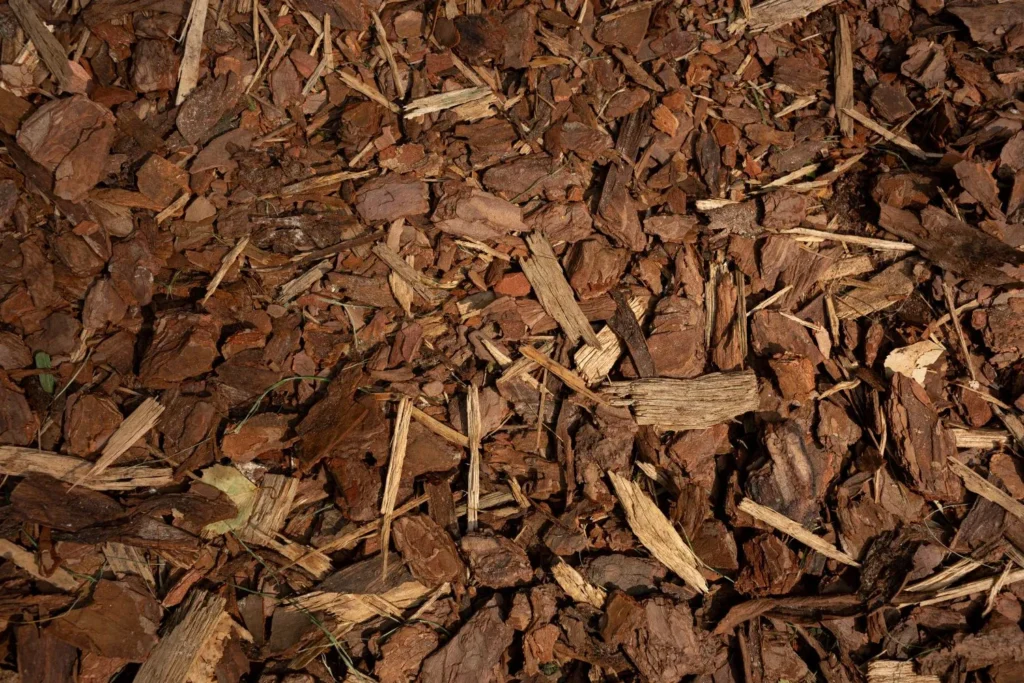
Mulch is widely viewed as a “set it and forget it” solution for moisture retention and weed suppression, but when it’s applied incorrectly, it can quietly damage soil health over time. Because the effects occur below the surface, many homeowners don’t realize mulch is the root cause until plants begin to decline, lawns thin out, or disease keeps returning.
Unlike visible issues such as drought stress or insect feeding, mulch-related problems develop slowly. Excess moisture builds up at the soil line, oxygen exchange decreases, and roots adapt poorly to saturated conditions. By the time symptoms appear above ground, the damage below the surface is often well established.
Understanding how mulch interacts with soil, roots, and microorganisms is the first step toward preventing these hidden failures.
How Excess Mulch Damages Root Systems
Roots need a balance of moisture, oxygen, and microbial activity to function properly. When mulch is applied too deeply or packed tightly, it disrupts that balance.
Thick mulch layers trap moisture against the soil surface and prevent oxygen from reaching the root zone. Over time, roots respond by growing upward into the mulch instead of downward into the soil. These shallow roots are weaker, more prone to drying out, and more vulnerable to temperature swings.
In trees and shrubs, mulch piled against trunks can keep bark constantly damp, leading to crown decay. In turf areas, excessive mulch along edges can create anaerobic soil conditions that weaken grass roots and encourage disease development.
When Mulch Becomes a Disease Accelerator
Mulch itself isn’t harmful, but the environment it creates can be. Constant moisture, limited airflow, and warm temperatures provide ideal conditions for fungal pathogens to thrive.
Soil-borne fungi often become active when mulch prevents the soil from drying between irrigation cycles or rainfall. This is especially common in shaded areas or poorly drained soils, where evaporation is already limited. Fungal spores persist in damp organic material and can repeatedly infect nearby plants or turf.
Diseases such as root rot, crown rot, and various turf fungi often result from mulch that is too thick, poorly distributed, or left undisturbed for extended periods. Without correcting the mulch issue, treatments alone rarely solve the problem long term.
Why Over-Mulching Attracts Pests
Mulch also creates shelter, insulation, and nesting material for a variety of pests. Thick layers protect from predators and temperature extremes, making mulch beds attractive to insects and rodents.
Certain insects thrive in consistently moist organic material, while rodents use mulch piles for cover as they travel between food sources. When mulch is placed directly against foundations, trunks, or landscape structures, it can act as a bridge for pests to move closer to buildings or vulnerable plant tissue.
In lawns and landscapes, increased pest activity often follows areas where mulch is deepest or rarely disturbed, especially when combined with overwatering.
| Weed Pro Lawn Care: Local Lawn & Outdoor Pest Experts Reliable Service Backed by Results You Can See Choose the Right Lawn Care Solution for Your Property: – Complete Lawn Care Programs: Ongoing, customized lawn care plans designed to strengthen turf, improve soil health, and reduce weeds. – Targeted Weed & Pest Control: Focused solutions for persistent lawn weeds, invasive pests, and seasonal pressures such as mosquitoes and surface insects. – Irrigation & Lawn Health Support: Professional support for irrigation efficiency, aeration, overseeding, and soil conditioning to improve water absorption, reduce runoff, and help lawns recover from compaction, disease, or environmental damage. Customer Praise:“Easy and quick set-up. Immediate results. I have been trying and failing little by little to maintain my yard over the past three years. Weed pro came in and turned the yard around in 6 months. Thank you Weed Pro Lawn care for excellent and affordable lawn care.” – Antonio Rizzo Why Homeowners Choose Weed Pro Lawn Care: – Locally owned and operated, serving North Georgia communities – Experienced technicians trained in region-specific lawn and pest challenges – Customized service plans based on property conditions, not one-size-fits-all programs – Environmentally responsible treatments with a focus on long-term lawn health – Clear communication, reliable scheduling, and service you can trustSchedule your Service Today! |
Common Mulching Mistakes That Lead to Problems
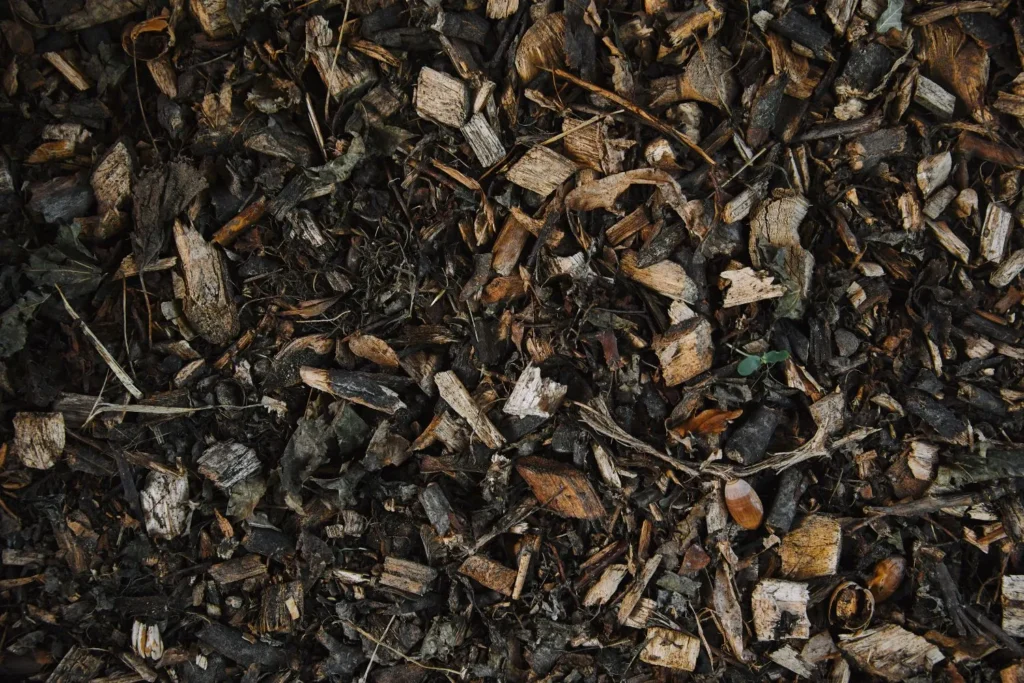
Many mulch-related issues stem from good intentions paired with poor information. Common mistakes include:
- Applying mulch deeper than recommended in an attempt to suppress weeds permanently.
- Piling mulch directly against tree trunks or plant stems.
- Refreshing mulch annually without removing or redistributing old material.
- Using fine or compactable mulch types that limit airflow.
- Ignoring soil drainage issues before adding mulch.
Each of these mistakes changes how water, air, and organisms interact below the surface. Over time, the soil becomes imbalanced, roots weaken, and disease pressure increases.
Signs Mulch Is Contributing to Root or Disease Issues
Because mulch problems start underground, symptoms often appear gradually. Warning signs include thinning turf along mulch edges, recurring fungal disease in the same areas, plants that wilt despite adequate watering, and soft or decaying tissue at the soil line.
In trees and shrubs, bark discoloration, fungal growth near the base, or roots visible in mulch rather than soil suggest an improper depth. In lawns, patchy decline near beds or borders often points to a moisture imbalance caused by mulch buildup.
If these issues persist despite normal care, mulch should be evaluated as a contributing factor rather than assuming fertilizer or pesticide failure.
Correcting Mulch-Related Problems Before They Escalate
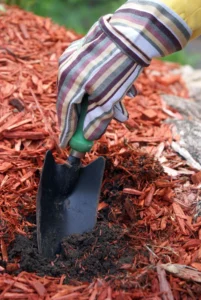
Fixing mulch issues starts with restoring balance. Excess material should be removed or redistributed to achieve appropriate depth, typically allowing the soil surface to breathe while still retaining moisture.
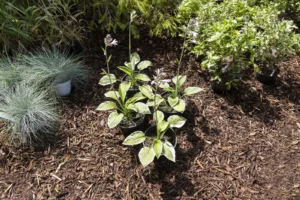
Mulch should be kept several inches away from trunks and stems, and compacted areas should be loosened to improve airflow. In lawns, correcting edge buildup and improving drainage helps roots recover more effectively.
When disease or pest activity is already present, addressing mulch conditions is essential before applying treatments. Without correcting the environment, symptoms often return.
Why Professional Evaluation Makes a Difference
Mulch problems are rarely isolated. They often interact with irrigation habits, soil compaction, shade patterns, and existing disease pressure. A professional evaluation examines the entire system rather than treating symptoms individually.
Experienced landscape and lawn care professionals can determine whether mulch is contributing to root stress, pest activity, or disease recurrence, and recommend adjustments to restore soil function. This integrated approach reduces the need for repeated treatments and supports long-term plant health.
Stop Hidden Mulch Issues Before They Damage Your Lawn and Landscape
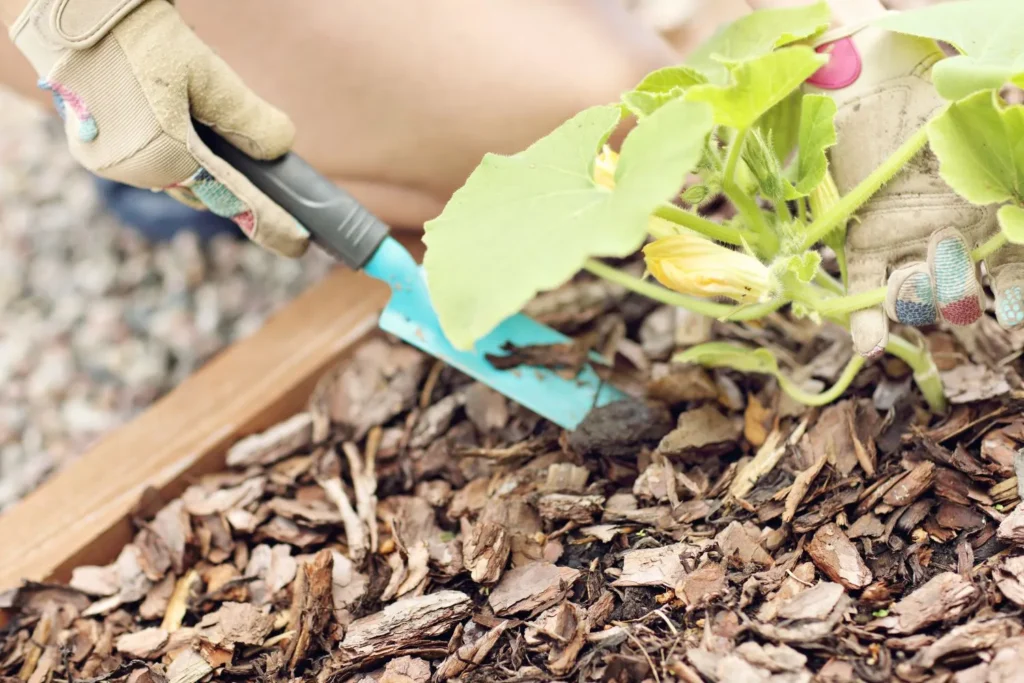
Mulch should protect your plants, not quietly undermine them. When root decline, pest activity, or disease keeps returning, the problem is often below the surface where mulch, moisture, and soil interact. Weed Pro Lawn Care provides professional evaluations that look beyond symptoms to identify the real cause of ongoing landscape stress.
If you’re seeing thinning turf, declining plants, or recurring disease near mulch beds, it’s time for a closer look. Contact us today to schedule a property assessment and get clear guidance on correcting mulch depth, improving soil conditions, and protecting your lawn and landscape for the long term.
FAQ – Mulch, Roots, and Disease
Can mulch really cause plant disease?
Yes, when mulch traps moisture and limits airflow, it creates conditions that favor fungal pathogens. Diseases often persist or return when mulch depth and placement are not corrected. Treating disease without addressing mulch conditions usually leads to repeat outbreaks.
How deep should mulch be to avoid root problems?
In most landscapes, mulch should be applied in a moderate, breathable layer that protects soil without smothering it. Excessive depth prevents oxygen from reaching roots, encouraging shallow root growth. Proper spacing around trunks and stems is just as important as depth.
Should old mulch be removed before adding new mulch?
Yes, repeatedly layering mulch without removal leads to compaction and moisture buildup. Old mulch should be broken up, redistributed, or partially removed before refreshing beds. This prevents long-term soil imbalance and reduces pest and disease pressure.
Next: How Improper Bed Design Increases Weed Pressure
Mulch problems often go hand in hand with poor bed layout and edging decisions. In the next article, How Improper Bed Design Increases Weed Pressure, we explore how bed shape, edging height, and soil transitions influence weed growth and how design corrections can dramatically reduce weed invasions.