Key Takeaways
- Mulch depth directly controls soil temperature, moisture retention, and oxygen availability in the root zone.
- Applying too little mulch leaves soil exposed to heat, evaporation, and shallow root development.
- Over-mulching traps moisture, restricts oxygen, and increases the risk of disease, rot, and pest activity.
- The ideal mulch depth for most Georgia landscapes is 2–3 inches, adjusted for soil type and drainage.
- Correct mulch depth supports deeper roots, healthier soil biology, and long-term plant stability.
What Mulch Depth Really Does to Your Lawn and Landscape
Mulch is often treated as a finishing touch, something added at the end of a landscaping project for appearance. In reality, mulch is a functional soil management tool that directly affects soil temperature, moisture balance, root development, and disease pressure. When mulch depth is correct, it protects roots and stabilizes growing conditions. When it’s wrong, it quietly creates stress below the surface that later leads to visible decline.
This guide explains how mulch depth works underground, why more mulch is not always better, and how improper depth can undermine lawns, planting beds, shrubs, and trees. Understanding these relationships helps homeowners make decisions that support soil health rather than inadvertently harm it.
Why Mulch Depth Matters More Than Mulch Type
Most mulch discussions focus on material choice, pine straw versus hardwood, natural versus dyed. While material matters, depth has a greater impact on soil performance than the mulch itself.
Mulch depth controls how heat, water, and oxygen move between the atmosphere and the soil. It also determines whether roots grow into stable soil or remain trapped in stressed surface layers. Even high-quality mulch can cause problems if applied incorrectly.
Mulch depth influences three interconnected systems:
- Soil temperature regulation
- Soil moisture behavior
- Root respiration and expansion
When these systems stay balanced, plants develop deeper roots and tolerate stress better. When they don’t, decline often begins underground before symptoms appear above the surface.
How Mulch Depth Regulates Soil Temperature
Soil temperature affects root growth, nutrient uptake, and microbial activity. Mulch acts as insulation, but insulation only works when applied at the right thickness.
Shallow Mulch and Temperature Swings
Mulch applied too thinly, generally less than one inch, provides little insulation. Soil heats rapidly during hot Georgia afternoons and cools quickly overnight. These swings damage fine surface roots and stress plants during seasonal transitions.
Thin mulch also offers little protection during short cold snaps, leaving roots vulnerable when temperatures fluctuate.
Excessively Deep Mulch and Heat Retention
Mulch applied too deeply, four inches or more, traps heat and limits airflow. Instead of buffering temperature, the soil remains consistently warm and damp. These conditions favor root rot organisms and fungal pathogens, especially around shrubs and trees.
This problem is amplified in clay soils, where drainage is already slow.
The Temperature Balance Point
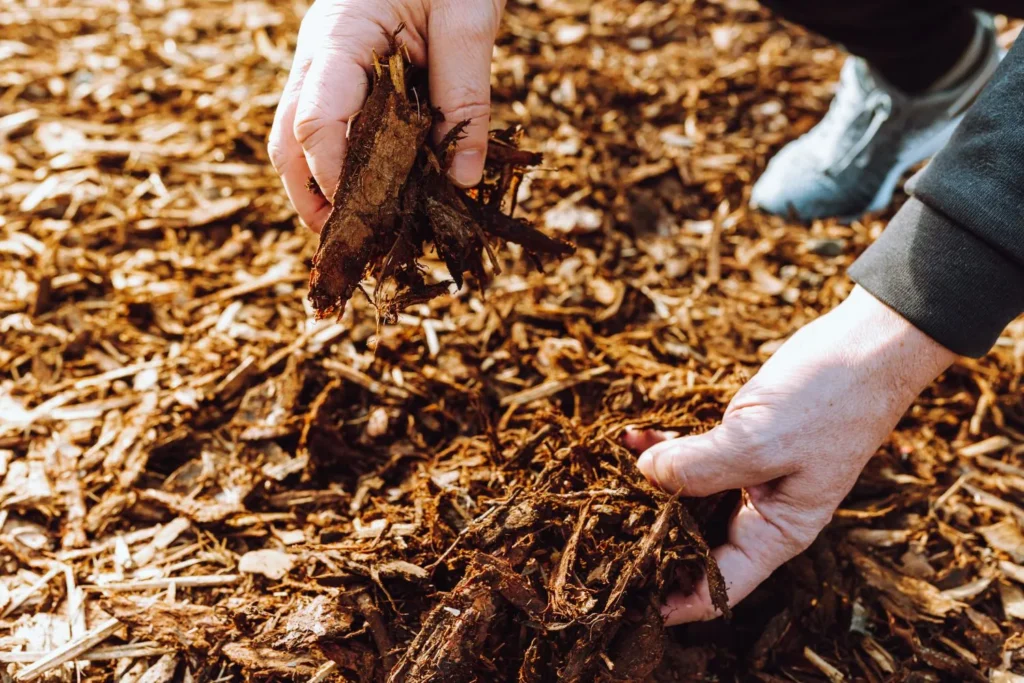
A mulch depth of roughly 2–3 inches creates insulation without suffocation. Soil warms gradually, cools slowly, and remains within a range that roots can tolerate. This stability reduces plant stress and supports steady growth throughout the growing season.
How Mulch Depth Influences Soil Moisture
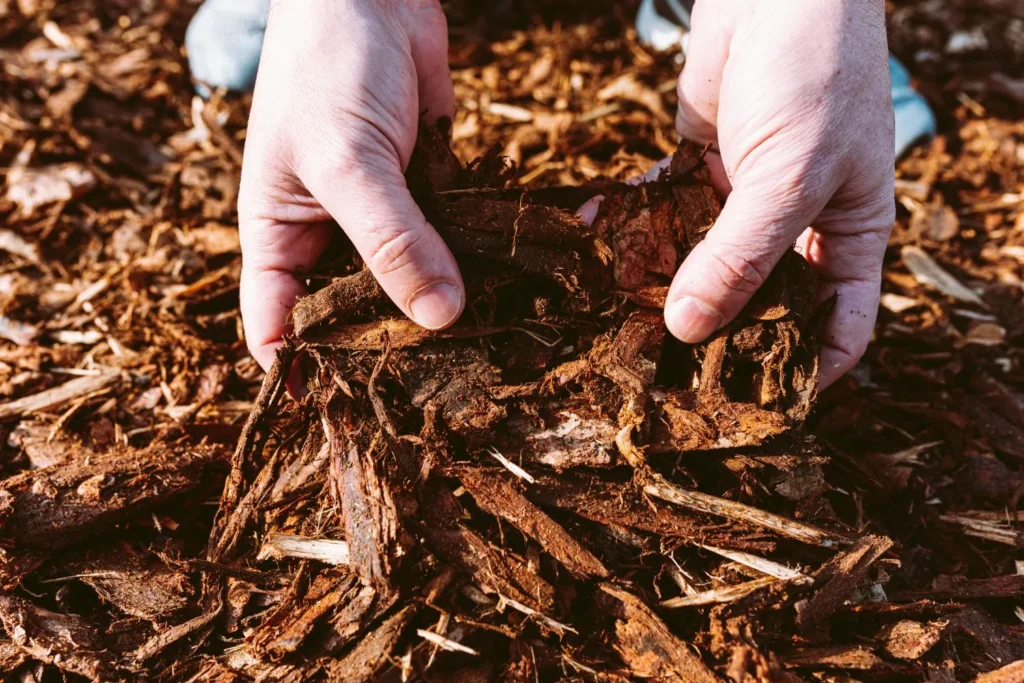
Water management is one of mulch’s greatest benefits, and one of its biggest risks when misapplied.
Too Little Mulch: Evaporation and Runoff
Thin mulch dries quickly and does little to slow evaporation. During hot weather, moisture evaporates before it can move deeper into the soil profile. During heavy rain, water runs across the surface instead of soaking in.
This leads to frequent irrigation needs, shallow roots, and uneven moisture availability.
Too Much Mulch: Saturation and Poor Oxygen Flow
Over-mulched beds absorb and hold water for extended periods. Saturated mulch restricts oxygen movement into the soil, creating anaerobic conditions that stress roots and promote disease.
In clay-heavy soils, excessive mulch can worsen drainage problems and create persistent wet zones.
Proper Depth and Moisture Balance
Correct mulch depth slows evaporation without trapping water. Moisture infiltrates gradually and remains available deeper in the soil, encouraging roots to grow downward instead of spreading near the surface.
| Weed Pro Lawn Care: Local Lawn & Outdoor Pest Experts Reliable Service Backed by Results You Can See Choose the Right Lawn Care Solution for Your Property: Complete Lawn Care Programs: Ongoing, customized lawn care plans designed to strengthen turf, improve soil health, and reduce weeds. Targeted Weed & Pest Control: Focused solutions for persistent lawn weeds, invasive pests, and seasonal pressures such as mosquitoes and surface insects. Irrigation & Lawn Health Support: Professional support for irrigation efficiency, aeration, overseeding, and soil conditioning to improve water absorption, reduce runoff, and help lawns recover from compaction, disease, or environmental damage. Customer Praise:“Easy and quick set-up. Immediate results. I have been trying and failing little by little to maintain my yard over the past three years. Weed pro came in and turned the yard around in 6 months. Thank you Weed Pro Lawn care for excellent and affordable lawn care.” – Antonio Rizzo Why Homeowners Choose Weed Pro Lawn Care: Locally owned and operated, serving North Georgia communities Experienced technicians trained in region-specific lawn and pest challenges Customized service plans based on property conditions, not one-size-fits-all programs Environmentally responsible treatments with a focus on long-term lawn health Clear communication, reliable scheduling, and service you can trust Schedule your Service Today! |
Mulch Depth and Root Health
Roots require water, oxygen, and space to function properly. Mulch depth directly affects all three.
Oxygen Exchange and Root Respiration
Roots need oxygen to absorb nutrients efficiently. Thick mulch layers reduce gas exchange, particularly when compacted or constantly wet. Reduced oxygen levels lead to root stress, nutrient deficiencies, and reduced plant growth.
Symptoms often appear later as thinning turf, yellowing leaves, or poor recovery after watering.
Shallow Roots from Over-Mulching
When mulch is too deep, roots may grow into the mulch rather than into the soil. These roots are exposed to temperature swings and dry out quickly, weakening the plant’s overall structure.
This is commonly seen around trees with mulch piled against the trunk.
Correct Depth Encourages Deep Roots
Proper mulch depth promotes downward root growth into soil, where moisture and temperature are more stable. Deeper roots improve drought tolerance, anchoring strength, and long-term plant health.
When Mulch Becomes a Source of Stress
Mulch problems usually come from application errors, not the mulch itself.
Mulch Against Trunks and Crowns
Piling mulch against tree trunks or shrub crowns traps moisture and invites decay. This practice suffocates the root flare, leading to long-term structural damage.
Mulch as a Pest Habitat
Over-mulched areas create ideal shelter for insects and rodents. Warm, damp mulch encourages pest activity that can spread into lawns or nearby structures.
Disease Pressure from Constant Moisture
Persistent moisture and poor airflow encourage fungal pathogens. Many plant diseases begin in mulch-heavy beds before spreading into turf or ornamentals.
Build Healthier Beds with Weed Pro’s Soil-Focused Approach
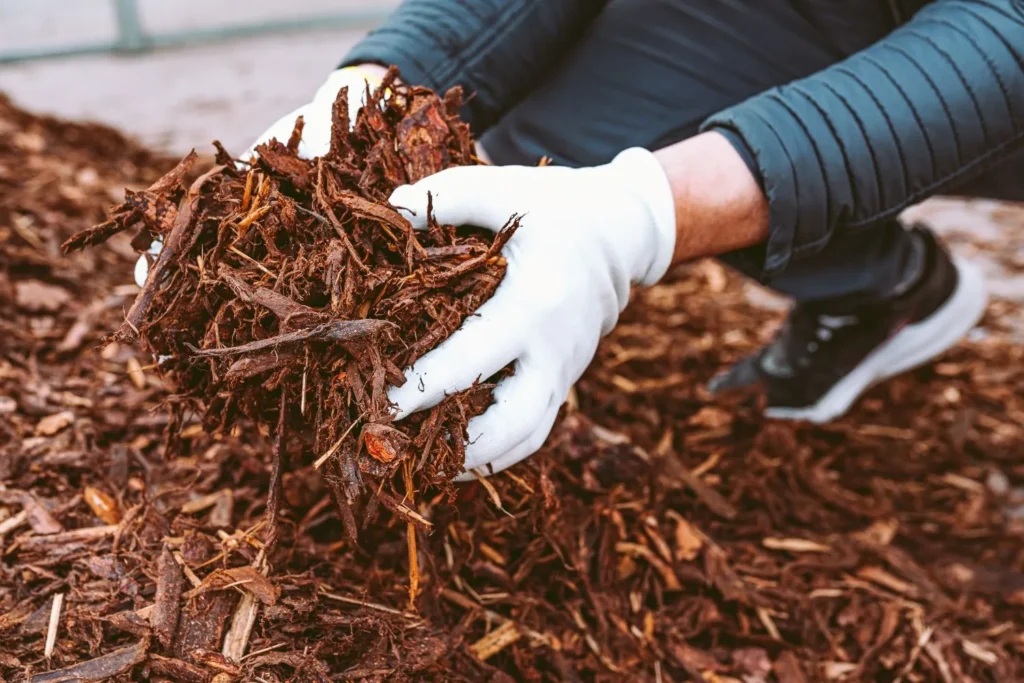
Mulch should work for your lawn and landscape, not against them. Weed Pro Lawn Care installs mulch with soil health, root protection, and long-term performance in mind. Our team evaluates soil conditions, drainage, root zones, and existing plant health before determining the correct mulch depth for your property.
If you’re seeing poor plant performance, recurring disease near beds, or excessive moisture after rain, improper mulch depth may be a contributing factor. Contact Weed Pro Lawn Care today to schedule a property assessment and get professional guidance on mulch installation, bed management, and soil improvement solutions designed for Georgia landscapes.
Frequently Asked Questions About Mulch Depth
How deep should mulch be in planting beds?
For most lawns and landscape beds, mulch should be applied at a depth of about 2–3 inches. This depth insulates the soil, conserves moisture, and allows oxygen to move without trapping excess water. Deeper applications usually increase the risk of disease and root stress.
Can too much mulch damage plants and trees?
Yes, over-mulching can restrict oxygen, trap moisture, and encourage rot and pests. When mulch is piled against trunks or applied too thickly, roots may grow into the mulch rather than into the soil, weakening the plant. Long-term damage often appears gradually and is difficult to reverse.
Does mulch depth affect lawn edges near beds?
Improper mulch depth can cause excess moisture near lawn edges, leading to thinning turf and disease pressure. Over-mulched beds often hold water against the grass roots, especially in clay soils. Correct depth helps maintain clean transitions between beds and turf.
Continue Learning About Mulch and Soil Health
Understanding mulch depth is the first step toward healthier soil and stronger plants, but problems often arise when mulch is misapplied or poorly managed. Check out our next article, When Mulch Causes Root, Pest, and Disease Problemsto learn more.