You’re thinking about Zeon Zoysia, or perhaps you have already installed it in your front yard and are now saying, “How do I keep this beautiful, soft, velvety turf looking good all year round?”
You’ve come to the right source!
Zeon Zoysia is one of the most desirable warm-season grasses in Atlanta and it is easy to understand why. It’s lush, low-maintenance, and ideal for those “barefoot in the backyard” dreams. However, like any turf, Zoysia has its own specific needs to thrive in the hot, humid Georgia weather.
At Weed Pro, we have worked with many Atlanta homeowners on a zoysia watering guide, dealing with weeds, and keeping a beautiful lawn. Let’s get into all you need to know about zoysia, from mowing to fertilizing and keeping it healthy during hot Atlanta summers.
What Makes Zeon Zoysia So Special?
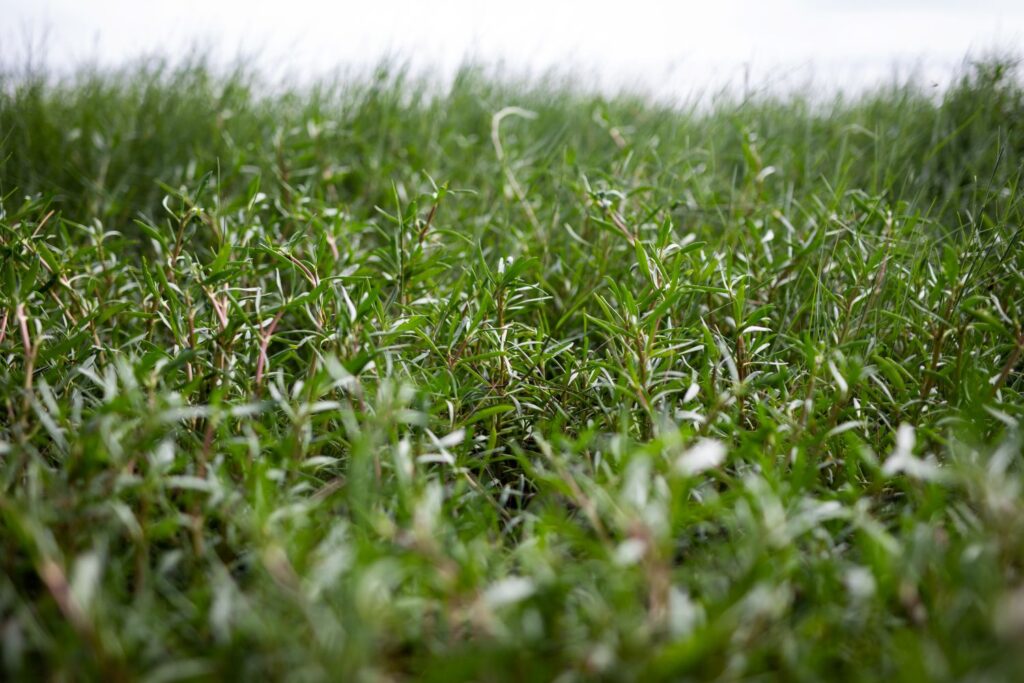
First off, let’s go back to the beginning for a moment. Zeon Zoysia is a warm-season grass known for its fine-bladed texture and rich green color. It is softer than other Zoysia varieties, which is great for families, pets, and anyone who wants to walk barefoot on the grass.
Advantages of Zeon Zoysia:
- Density and carpet-like look
- Durability for high foot traffic
- Weed resistance
- Drought and shade-tolerant
- Less maintenance than fescue
The grass of choice for homeowners who want beauty and durability—but just like any grass, it requires a little maintenance.
Zeon Zoysia Watering Guide
Watering can be the secret ingredient or the demise of your lawn, especially during the heat waves of summer in Atlanta.
Watering Zeon Zoysia Guidance
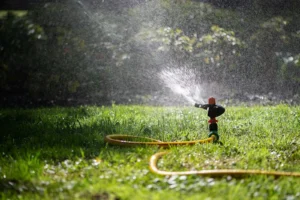
While Zeon Zoysia tolerates dry spells well, it still likes to be watered. The goal is to water deeply and infrequently, thereby promoting the development of deep roots.
- Spring/Fall: 1 inch of water per week
- Summer: 1.25–1.5 inches of water per week (depending on rainfall)
- Winter: Minimal to no water (dormant)
Pro Tip: To accurately measure water received and not overwater, install a rain gauge on your property. In excess of water, problems with disease prevention can arise like fungus or currently bad root rot.
Mowing Height for Zoysia: Don’t Go Too Low
Unlike Bermuda or fescue, Zeon Zoysia likes a medium cut! Mowing too low places stress on the turf, especially during hot or dry conditions.
The desired mowing height of Zeon Zoysia:
- 1.5 to 2 inches in the spring
- 2 to 2.5 inches in the summer
Raise your blade height during periods of peak heat to protect exposed soil and help prevent evaporation. Maintaining lateral growth and clearing foliage using sharp mowing blades helps prevent tearing of grass blades.
Fertilizing: When and How Much?
Zoysia does not need a lot of food to remain green, although timing is nice! Please fertilize at the wrong timing, you damage your Zoysia turf!
Ideal Fertilization Schedule for Zeon Zoysia in Atlanta
- 1st Application: Mid to Late April
- 2nd Application: June
- 3rd Application (Light): Early August
Make sure to use a balanced fertilizer (like 15-0-15 or 16-4-8) that promotes healthy growth without excessive thatch or blade density.
IMPORTANT: Do NOT fertilize in the fall! The warm-season grass will already be preparing to go dormant, and feeding it late can stress the roots.
Zeon Zoysia Weed Resistance (But Stay Vigilant)
One of the biggest benefits of Zeon Zoysia is the natural ability to suppress weeds from growing! Its density will choke out weeds in healthy, established sections of grass. Keep in mind that no lawn is immune– even Zeon Zoysia will face difficulties in the spring when crabgrass and broadleaf weeds start creeping in.
There are two recommended approaches to weed suppression: pre-emergent herbicide (early spring) and spot-treatment herbicide (in summer). In Atlanta, pre-emergent is typically applied mid-February to early March. Subsequently, be prepared for more spot treatments in late summer.
A rule of thumb is to be cautious when it comes to herbicides. Zoysia has a specific sensitivity to some formulations, and it is always best to check your herbicide’s label or discuss it with a professional like Weed Pro.
Lawn Layouts with Trees or Shade? No Problem!
Zeon Zoysia is tolerant of partial shade. If you have trees or tall shrubs on your property, as long as there are about 3-4 hours of sunlight during the day, your lawn will grow fine. However, for shaded areas that do not receive sunlight, consider thinning out the lower tree limbs instead of adding turf or planting grass.
Foot-Traffic Durability: Built Tough
If you have children, pets, or simply enjoy entertaining on your lawn, Zeon Zoysia is known for bouncing back with regular use. It may be compressed a bit if you have exceptionally heavy use during the weekend or with children, but if you follow a proper mowing and watering schedule, it will recover quickly. As a pro tip, if the lawn gets heavy foot traffic on specific paths, consider using stepping stones or turf reinforcement grids to reduce wear.
Disease Prevention & Lawn Health
Even the best lawn can get sick. Zeon Zoysia is moderately resistant to diseases, especially when maintained poorly, as in lawn-care management. For example, some diseases you may face include:
- Brown patches (overwatering + fungus)
- Dollar spots (low nitrogen levels)
- Rust or mildew (shade + humid)
It is best to stick to the basics: mow grass correctly, water grass in the morning, and avoid overcrowding. Aeration of the lawn once per year can contribute positively to air movement for the lawn and the health of the roots.
Atlanta Soil Tips for Zoysia Lawns
Your Zeon Zoysia lawn will perform best in slightly acidic soil (pH 6-6.5). Being largely clay soil, Atlanta is not the best pH for Zeon Zoysia, but soil can be easily amended.
How to prep your soil for Zoysia:
- Aerate yearly
- Add organic material or compost
- Test the soil every 1 to 2 years
- Don’t compact soil with heavy equipment
If you are unsure if your soil is at the proper pH. Level or proper soil amendment, Weed Pro offers soil testing services and the ability to recommend proper amendments to your lawn care.
🌱 Let Weed Pro Help You Grow the Lawn You Love
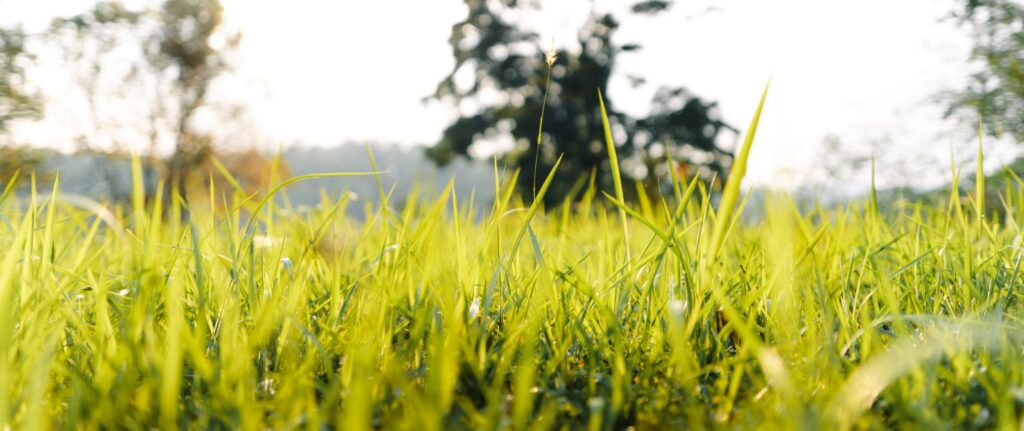
Zeon Zoysia is an incredibly beautiful grass type, but it requires consistent and regular care! Whether you are struggling with when to fertilize, what height to mow at, or how often to irrigate your lawn, Weed Pro has just what you need!
If You Want to Be Able to Look at a Luxurious, Soft Zoysia Lawn Towards the End of Summer Each Year, Call – Or Click – Today!
👉 Schedule a consult with Weed Pro for your Zoysia lawn today
❓FAQ: The Questions You Didn’t Know to Ask
Can you lay Zeon Zoysia sod any time of year in Atlanta?
Not quite. The best time to install Zeon Zoysia sod in Atlanta is late spring through early summer when soil temperatures reach 65°F. Installing during dormancy can delay rooting and expose the grass to fungal risks. Always prep your soil thoroughly and water deeply after installation.
Is Zeon Zoysia safe for allergy sufferers?
Yes, Zeon Zoysia produces very little pollen compared to other grasses, making it a great option for households with seasonal allergies. It also grows thick enough to reduce airborne dust. Just make sure to mow regularly and keep it free of weeds that might trigger allergic reactions.
How does Zeon Zoysia compare to Emerald Zoysia?
Zeon has a finer blade and softer texture than Emerald Zoysia, making it more comfortable underfoot. It also has better shade tolerance and disease resistance. Emerald, on the other hand, has a deeper green color and slightly more compact growth. Your choice depends on aesthetics, sun exposure, and foot traffic.
👉 Up Next
Got your zoysia in order? Let’s zoom out and talk about the bigger picture: Organic Lawn Care in Georgia: Why It’s Not Always the Healthiest Choice for Your Yard.