It is crucial to have a lawn in Atlanta that is free of destructive insects for the purpose of growing a lush, green lawn that can withstand typical challenges related to seasonal changes and common local pests. Familiarizing yourself with the usual suspects, having smart cultural practices, practices integrated pest management (IPM), and knowing when to call a professional will allow you to maintain a beautiful lawn using fewer chemicals. This article will help you understand: the most common lawn pests you are likely to find in Atlanta, information about how to mow or water, and soil care to prevent those pests, when, and how WeedPro will be able to assist you through professional services, and how to control grubs, chinch bugs, and armyworms.
What Are the Most Common Lawn Pests in Atlanta, GA?
The warm, humid periods provide several breeding grounds for insects that can significantly damage your turf by feeding on roots or blades, leaving thinning or bare patches. It is essential to detect these infestations early to prevent damage to your lawn’s root system, which retains moisture and supports healthy turf.
Which Pests Cause the Most Damage to Georgia Lawns?
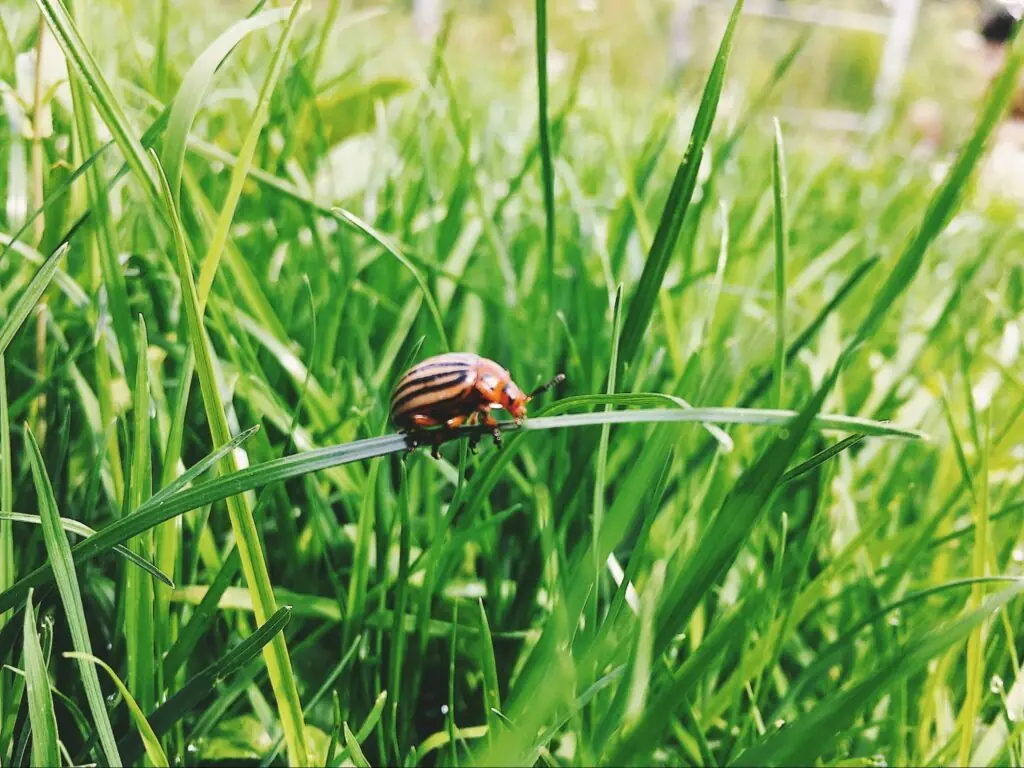
Grubs, chinch bugs, armyworms, and sod webworms pose the biggest threat to lawns around here. Their feeding habits and when they’re most active during the year make them particularly troublesome for local turf.
| Pest | Typical Damage | Active Season |
| Grubs | Brown patches, turf that feels spongy underfoot | Late summer through fall |
| Chinch Bugs | Yellowing or wilting grass blades, often in irregular patches | Spring all the way through fall |
| Armyworms | Grass blades that look chewed or stripped bare | Late summer through fall |
| Sod Webworms | Uneven brown spots that appear, especially noticeable at night | Summer nights |
These critters weaken your grass, making it more susceptible to stress from heat and invasion by weeds. That’s why correctly identifying them is so important before you even start thinking about how to fix the symptoms.
How Can You Identify Signs of Pest Infestation in Your Lawn?
Identifying pest issues, upon first witness, is simply noticing the specific signs that they are active.
- Look for patches of brown or thinning grass that appear to be growing or spreading rapidly, often during hotter months.
- If you can pull at the turf like the grass is a carpet, it’s a significant indication that grub worms are feeding on the roots underneath.
- If you notice significant patches of grygrass that appear wilting, or are noticeably yellowing, this might indicate the presence of chinch bugs, usually in larger areas of dense grass.
- Additionally, look under the grass blades for signs of insect chewing, such as frass (insect droppings).
If your pest issue is early enough to spot some of these signs of pest symptoms, you can act on what you believe might be occurring to help identify what to do based on cultural care or pesticide application within your ongoing lawn care.
What Are the Best Preventative Lawn Care Practices to Avoid Pest Problems?
By engaging in proactive measures during your lawn care maintenance, you can help make your lawn a less appealing area for pests, improve the natural resilience of your turf, and often eliminate the need for chemicals altogether. Creating a lawn that is thick and healthy through consistent good cultural practices is your primary and best barrier against infestations.
How Do Proper Mowing and Watering Help Prevent Lawn Pests?
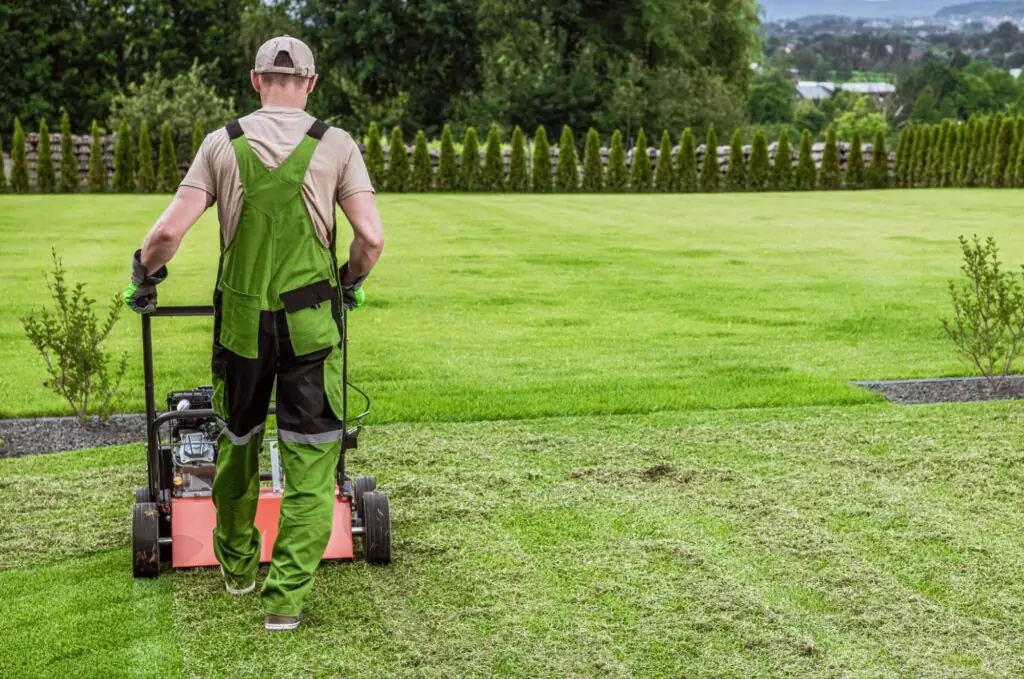
Keeping your mower at the correct height, in addition to consistent watering, will help create an environment where insects are less able to thrive due to a lack of suitable conditions for pest growth, while developing thicker, healthier grass.
- Mow your grass at a height of 3 to 3.5 inches. This helps shade the soil and creates a less desirable environment for egg-laying pests.
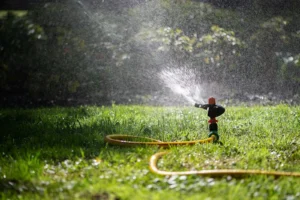
- Water your lawn deeply, once or twice a week, at a rate of roughly 1 to 1.5 inches. Allowing roots to dig down deeper into the soil.
- Avoid frequent shallow amounts of water. This can stress the grass and cause pests to accumulate closer to the surface.
If you put these into practice, you will allow your lawn to develop its critical root system and build a stronger foundation for future soil health strategies.
Why Is Fertilization and Soil Health Essential for Pest Prevention?
Ensuring your lawn gets the right nutrients and has good soil structure is vital for making it tougher against insect pressure. This is achieved by promoting strong root growth and supporting beneficial microbial activity in the soil.
| Practice | Benefit | Pest Resistance |
| Soil Aeration | Helps relieve soil compaction and improves air circulation | Allows roots to better withstand pest feeding |
| Organic Fertilizer | Provides nutrients slowly and steadily | Encourages the presence of natural predators and beneficial microbes |
| Thatch Management | Prevents the buildup of a thick thatch layer that holds moisture | Reduces ideal breeding grounds for many insects |
Investing in your soil’s health significantly boosts your grass’s natural defenses, paving the way for Integrated Pest Management techniques that further reduce your reliance on chemicals.
What Are the Most Effective Treatment Options for Common Lawn Pests?
Choosing a treatment option depends on the specific pest, the severity of the infestation, and the condition of your lawn. Often, the best approach is a combination of cultural, biological, and chemical best management practices.
How Do You Treat Grub Infestations in Georgia Lawns?
Grub control is effective based on prevention and/or treatment:
- Apply beneficial nematodes or other biological options in late spring when the grubs are most susceptible.
- Use a targeted chemical control product in late summer when the grub is actively feeding on the grass roots.
- Follow up with seeding and fertilizing damaged areas to improve grass recovery and density.
These three steps aim to either eliminate the grubs currently causing damage or set your lawn up for success to withstand further infestations.
What Are the Best Methods to Control Chinch Bugs and Armyworms?
Integrating observation, timing, and treatment is the most efficient way to manage chinch bugs and armyworms.
- Examine the outer perimeter of your turf regularly (perhaps weekly) for formal clusters of nymphs and any signs of frass.
- Control affected areas as soon as you notice the affected area with an insect growth regulator for a selective chinch bug or armyworm product.
- Applying beneficial predators (entomopathogenic fungi, nematodes, etc) to control pest populations in a biological manner.
Discovering the insects early with high precision control provides an opportunity to promote soil and turf health while limiting the chemicals being used on your lawn.
Don’t Let Bugs Claim Your Yard
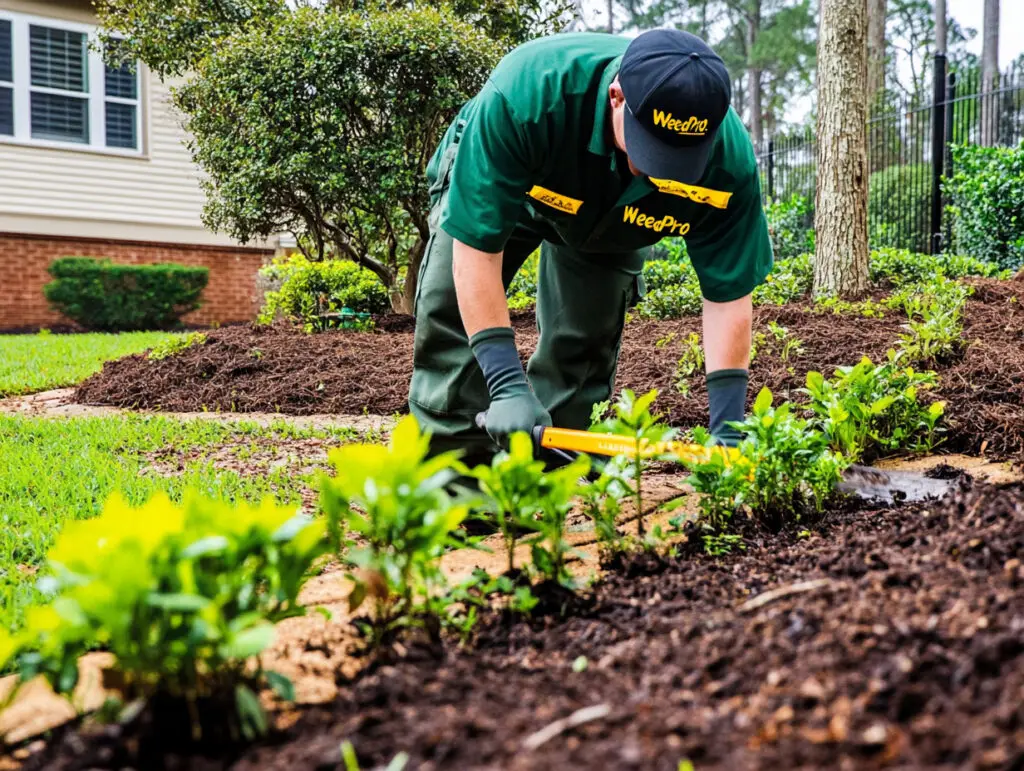
Fire ants, chinch bugs, crabgrass… pesting in Georgia is a one-way ticket to frustration. Weed Pro will utilize the timing of early detection and combine intervention techniques to minimize pest outbreaks and keep the home and yard picture perfect.
[Schedule your pest patrol to prepare your lawn early.]
FAQ
Can you treat your lawn preventively or only after seeing bugs?
Preventive treatments are usually better. We monitor pest patterns and apply treatments only when necessary, minimizing damage and chemical use.
Is biological control effective?
Yes, in some cases. Beneficial nematodes and predator insects can help—but they’re best used as part of a broader strategy when pest pressure is moderate.
How do you know whether your lawn needs pest treatment or just more fertilizer?
Yellowing in patches, roots coming up, or distinct feeding patterns strongly point to pests—not nutrient deficiency. A quick inspection can clarify.
Up Next: The Best of Both Worlds for Roswell Lawns
Refusing to choose between weeds and pests? You don’t have to. Next: “Achieve a Lush Roswell Lawn: Top Pesticides for Effective Weed and Pest Control.“