Key Takeaways
- Sunlight patterns directly influence lawn growth, density, and overall health.
- Changes in lawn sun exposure affect grass performance throughout the year.
- Shade can impact lawn conditions, leading to thinning and uneven growth.
- Grass light requirements vary depending on turf type and environment.
- Seasonal shifts in light distribution create noticeable differences in lawn appearance.
Why Sunlight Patterns Matter More Than You Think
Most homeowners focus on watering and fertilizing, but one of the biggest influences on turf health is sunlight patterns. As the seasons change, the way sunlight reaches your lawn shifts in ways that aren’t always obvious.
At WeedPro, we often see lawns that struggle not because of poor care, but because of changing lawn sun exposure. Areas that once received full sun may gradually transition into partial shade, while others receive more intense light than before.
Understanding how light affects your lawn helps explain why growth patterns change over time.
How Lawn Sun Exposure Drives Growth
Grass depends on sunlight for energy through photosynthetic activity. The amount and intensity of light your lawn receives determine how well it can grow and maintain density.
In areas with strong lawn sun exposure, grass tends to grow thicker and more consistently. However, too much direct sun can also increase stress, especially during hot periods. On the other hand, limited sunlight reduces energy production, leading to thinner turf.
Balance is key when it comes to light.
The Role of Grass Light Requirements
Different grass types have specific grass light requirements. Some thrive in full sun, while others tolerate moderate shade. Understanding these requirements helps explain why certain areas of your lawn perform differently.
When grass doesn’t receive enough light, growth slows, and density decreases. Over time, this can create patchy areas that struggle to recover. Matching grass type to available light conditions improves long-term performance.
Not all turf responds to light the same way.
| Weed Pro Lawn Care: Local Lawn & Outdoor Pest Experts Reliable Service Backed by Results You Can See Choose the Right Lawn Care Solution for Your Property: –Complete Lawn Care Programs: Ongoing, customized lawn care plans designed to strengthen turf, improve soil health, and reduce weeds. –Targeted Weed & Pest Control: Focused solutions for persistent lawn weeds, invasive pests, and seasonal pressures such as mosquitoes and surface insects. –Irrigation & Lawn Health Support: Professional support for irrigation efficiency, aeration, overseeding, and soil conditioning to improve water absorption, reduce runoff, and help lawns recover from compaction, disease, or environmental damage. Customer Praise:“Love working with the Weed Pro! Great customer service with attentive technicians that respond to texts and emails. Plus a great looking lawn. Thanks Jalen for all you do!” – Karen S. Why Homeowners Choose Weed Pro Lawn Care: -Locally owned and operated, serving North Georgia communities -Experienced technicians trained in region-specific lawn and pest challenges -Customized service plans based on property conditions, not one-size-fits-all programs -Environmentally responsible treatments with a focus on long-term lawn health -Clear communication, reliable scheduling, and service you can trust Schedule your Service Today! |
Seasonal Sun Angles and Their Impact
As the year progresses, seasonal sun angles shift the way sunlight reaches your lawn. During spring and summer, the sun sits higher in the sky, providing more direct light. In fall and winter, lower angles create longer shadows.
These changes affect how light is distributed across your yard. Areas that receive full sun in summer may experience increased shade later in the year. This shift influences growth patterns and overall turf health.
Sunlight is not constant—it evolves with the seasons.
Shade Impact Lawn Performance
Shade is one of the most common challenges in maintaining consistent turf growth. The shade impact lawn effect becomes more noticeable as trees grow or structures cast longer shadows.
Shaded areas often experience reduced photosynthetic activity, leading to thinner grass. Moisture levels may also remain elevated, affecting root health and increasing vulnerability to stress.
Managing shade is essential for maintaining balance.
Sun vs Shade Lawn Differences
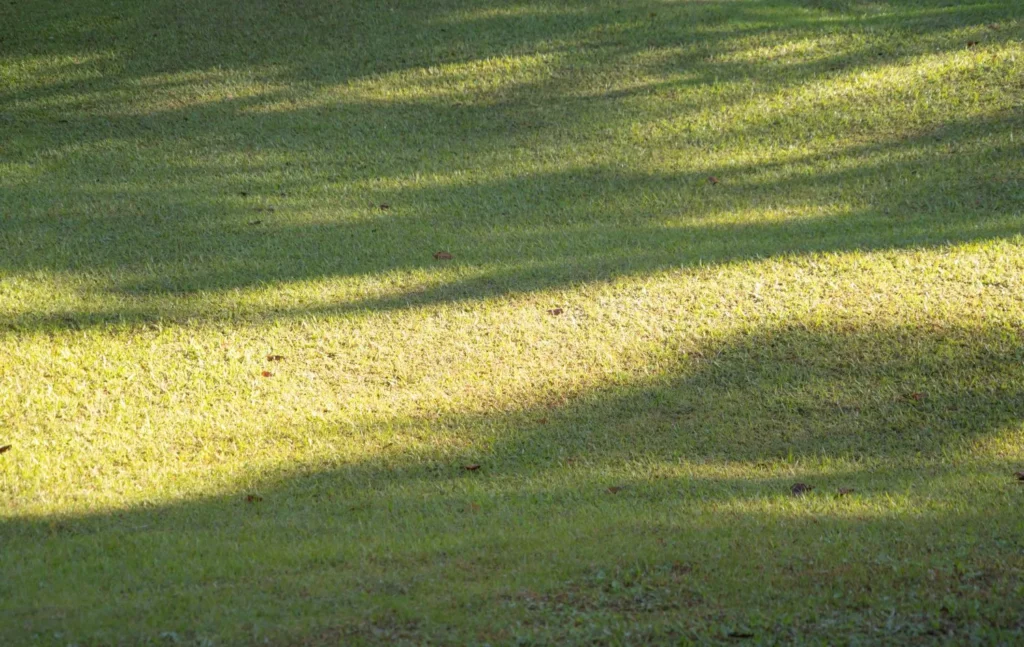
The contrast between sun and shade lawn areas can be dramatic. In full sun, grass typically grows dense and vibrant. In shaded zones, growth may be slower and less uniform.
These differences often appear as:
- Thicker grass in sunny areas
- Thinner or patchy turf in shaded spots
- Variations in color and growth rate
- Increased susceptibility to stress in low-light areas
Understanding these contrasts helps guide proper lawn care decisions.
How Lawn Light Changes Over Time
Over time, lawn lighting changes due to factors such as tree growth, landscaping updates, and seasonal shifts. These changes can alter how sunlight reaches different parts of your yard.
Even small adjustments in canopy coverage can create noticeable differences. A tree that grows slightly larger may cast more shade, affecting the surrounding turf. Recognizing these gradual changes allows for proactive adjustments.
Your lawn’s environment is constantly evolving.
Partial Shade and Its Challenges
Areas of partial shade present unique challenges. These zones receive some sunlight but not enough to fully support strong growth. As a result, turf may appear inconsistent or struggle to maintain density.
In these areas, grass must balance limited energy production with environmental stress. This often leads to slower recovery and increased vulnerability during heat or drought conditions.
Partial shade requires careful management.
How Light Distribution Affects Lawn Uniformity
Uneven light distribution can create noticeable differences in lawn appearance. Some areas may thrive, while others lag, even with identical care routines.
This variation often leads to:
- Uneven growth patterns
- Differences in color and texture
- Patchy or inconsistent density
- Slower recovery in shaded zones
Uniform care does not always produce uniform results when light conditions vary.
Signs Your Lawn Is Affected by Sunlight Patterns
Changes in sunlight patterns often reveal themselves through subtle visual cues. Recognizing these signs helps identify light-related issues early.
- Thinning grass in shaded areas
- Uneven growth across the yard
- Slower recovery in low-light zones
- Differences in color between sun and shade areas
- Increased moisture retention in shaded spots
These indicators often point to issues with light distribution.
Adjusting Lawn Care Based on Light Conditions
Adapting your lawn care approach to match changing light conditions improves overall performance. Consider adjusting practices to support both sun and shade areas.
- Modify mowing height to protect shaded turf
- Adjust watering based on moisture retention
- Monitor tree growth and canopy coverage
- Use appropriate grass types for varying light levels
- Maintain consistent fertilization to support growth
Tailoring care to light conditions creates better results.
Why Sunlight Patterns Influence Long-Term Lawn Health
Over time, sunlight patterns shape the overall stability of your lawn. Areas that consistently receive proper light develop stronger root systems and maintain better density.
In contrast, areas with limited or inconsistent light may struggle year after year. Addressing these differences early helps create a more balanced and resilient lawn.
Light is a long-term factor, not just a daily condition.
Optimize Your Lawn for Changing Sunlight Patterns
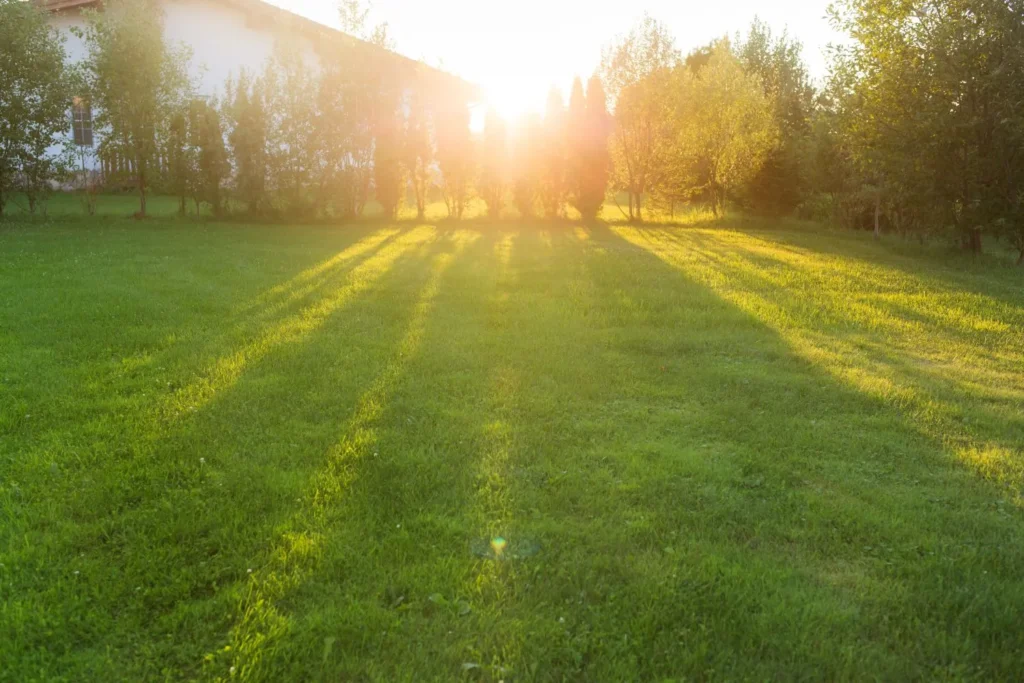
If your lawn shows uneven growth or struggles in certain areas, changing sunlight patterns may be the cause. At WeedPro, we evaluate light conditions, grass performance, and environmental factors to create customized lawn care plans.
Contact us today to schedule a professional assessment. We’ll help you adjust your lawn care strategy to match your yard’s unique light conditions and improve long-term growth.
Frequently Asked Questions
Can artificial lighting help improve lawn growth in shaded areas?
Artificial lighting is generally not practical for residential lawns. Improving access to natural light or choosing a shade-tolerant grass is usually more effective.
Do fences or nearby buildings affect sunlight patterns?
Yes, structures like fences and buildings can create consistent shade zones. These areas may require adjusted lawn care practices.
Can pruning trees significantly improve lawn sunlight?
Strategic pruning can increase light penetration, but results depend on tree size and density. In some cases, it can noticeably improve turf performance.
Up Next: Why Lawns Differ From Front to Backyard
Now that you understand how sunlight patterns affect lawn growth, let’s explore another common question homeowners face. Next Read: Why Some Lawns Perform Differently From Front Yard to Backyard