Is your lawn having challenges holding its color due to the scorching heat of Atlanta? A beautiful lawn is a result of understanding soil health, learning how to mow, establishing watering practices, weed management, the time of year to perform treatments, and incorporating new, sustainable practices—all of which will be discussed here. You will learn best practices in lawn maintenance, tried-and-true methods for weed control, a seasonal care plan, solutions for common pests and bare spots, smart irrigation techniques, and natural practices. With these expert tips and the wealth of knowledge provided by WeedPro’s services, you will possess the skills and information to deliver a truly exceptional lawn that gets noticed in any neighborhood.
What Are the Top Lawn Care Strategies for a Truly Lush Lawn?
A beautiful lawn is the result of regular attention to providing nutrients, mowing at the correct height, and providing adequate moisture. Fertilizing with the right balance of nutrients provides essential nitrogen, phosphorus, and potassium to stimulate growth and promote a dark color. Mowing at the correct height protects the grass from damage, minimizes stress, and ensures a healthy lawn. Additionally, establishing a watering schedule helps develop a deep-rooting system.
How Does the Right Fertilization Make Your Lawn Greener?
Balanced fertilization not only feeds the grass blades but also stimulates root growth through nutrient uptake, resulting in denser turf that can outcompete weeds.
- In early spring, a balanced N-P-K product can be applied specifically for warm-season grasses.
- Consider adding iron supplementation to increase the chlorophyll and promote greenness.
This healthy nutrient slug is a cornerstone for effective mowing practice.
How Often Should You Water Your Lawn for Peak Growth?
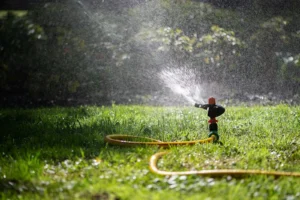
Water thoroughly, aiming to apply at least 1½ inches of water each time, once or twice a week. This encourages your roots to dig deep, rather than shallow and weak.
| Grass Type | Water Depth Weekly | Key Benefit |
| Bermuda | 1½ inches | Boosts resistance to dry spells |
| Zoysia | 1–1½ inches | Encourages consistent, uniform green color |
| Fescue | 1½–2 inches | Supports resilience in cooler weather |
Deep watering strengthens your lawn’s ability to withstand drought and prepares it for changing seasonal conditions.
How Can You Effectively Control Weeds for a Flawless Lawn?
Controlling weeds goes way beyond occasional herbicide application and depends on diligent hand-weeding. Developing habits for sustaining your turf will control weeds earlier and keep your turf healthy and less chemical dependent over time.
What Are the Most Common Weeds Found in Atlanta Lawns?
Common weeds in lawns in Atlanta include crabgrass, dandelions, and broadleaf plantain; however, a well-maintained lawn will better survive and prevent weeds. Weeds thrive in areas that have weak or thin turf. Generally, once we find them, it’s too late for prevention since they have established root systems and seeds to spread.
When and How Should You Apply Pre-Emergent and Post-Emergent Herbicides?
Pre-emergent herbicides should be applied in late winter to control new weed seed germination. After weeds develop, these seeds are too late to address visible weeds when growing and temperature conditions are between 60 degrees and 75 degrees.
What Eco-Friendly Weed Control Methods Promote Long-Term Lawn Health?
Manual weed removal, along with overseeding to establish a thicker stand of the turf, leaving grass clippings as mulch, and working to build soil health and fertilit,y will allow for a naturally self-sustaining weed suppression and lawn resiliency season after season.
What’s the Optimal Lawn Care Schedule for Spring and Throughout the Year?
Creating a care calendar tailored to each season ensures that the right amount of care is performed when it matters – in sync with your turf’s growth cycles and the unique Atlanta climate – providing optimal lawn health throughout the year.
What Are the Essential Lawn Care Tasks for Spring?
Spring is the ideal time for core aeration to help break up soil compaction. Additionally, overseeding thin patches or areas of the lawn is crucial, followed by the application of a slow-release fertilizer to promote vigorous growth. All of these factors are important in alleviating soil compaction and replenishing nutrients after the soil has been dormant in winter.
How Should You Adjust Lawn Care for Summer, Fall, and Winter?
Summer care is more about deeper watering and mowing slightly higher to help compensate for heat stress. In the fall, you should conduct another round of aeration and fertilization to help the lawn recover and build up its reserves. In the winter, less mowing will be required, and possibly some light fertilization to help the lawn’s cold hardiness.
How Does Atlanta’s Climate Impact Your Lawn Care Timeline?

The down south summers are hot and humid, which is essential to stay on top of watering and disease detection, while winters are mild with an occasional overseeding of cool-season grasses. The typical rainfall patterns of the area can be helpful when determining optimal timing for watering and treatments.
How Do You Fix Common Lawn Issues Like Patchy Grass and Pests?
Being proactive and actively addressing localized problems will prevent them from spreading and negatively impacting the health and appearance of your turf.
What Are the Signs and Treatments for Lawn Pests Such as Fire Ants and Grubs?
Spotting an anthill or observing gray/brown, spongy patches in your lawn typically means you have fire ants, grubs, or both. Applying a suitable insecticide specifically labeled for turf bugs or utilizing beneficial nematodes will interrupt their life cycles and return your lawn to normal.
How Can You Effectively Manage Lawn Diseases and Fungus?
Look for irregular tan rings on grass blades, indicating you might have brown patch or dollar spot. Mow the turf properly so that air can move around the blade and remove some of the excessive thatch in the turf you have, which will maximize the effect of applying a fungicide that is labeled for the diseases affecting warm-season turf.
What Steps Should You Take to Repair Patchy or Brown Spots in Your Lawn?
Rake out the dead grass, loosen the soil in the area, topdress with a thin layer of topsoil, and then overseed with a grass type that matches the rest of the lawn. Water gently until the new seedlings establish, which will ensure the repaired area blends into the rest of the turf.
What Are the Advantages of Smart Sprinkler Systems for Water Conservation?
mart controllers will adjust your watering schedule based on real time soil moisture, rainfall data, and temperature sensors automatically to reduce water waste, while properly keeping your turf hydrated.
| Technology | Key Feature | Result |
| Weather-Based Timer | Automated schedule adjustments | Prevents overwatering and minimizes runoff |
| Soil Moisture Sensor | Provides real-time moisture readings | Initiates watering only when necessary |
These intelligent systems optimize every watering cycle, ensuring water is used precisely when and where your turf needs it.
Turn Your Lawn into a Neighborhood Showpiece
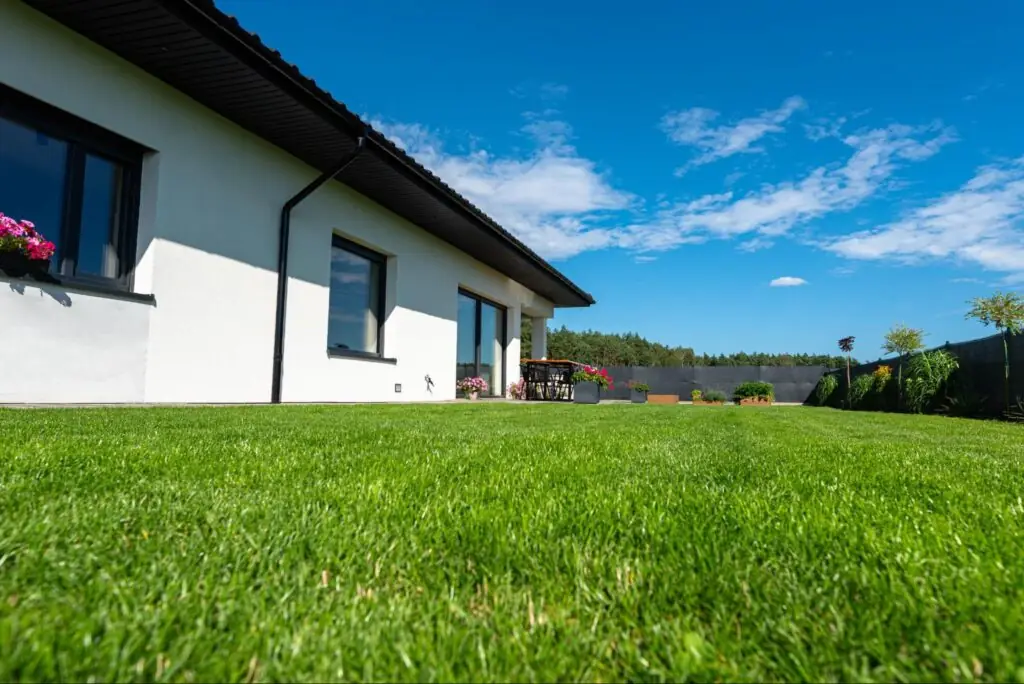
The vision of a magazine yard. This is the outcome of combining proper mowing, efficient watering, and professional feeding; that’s exactly what Weed Pro will do. Are you ready to have a lawn that stands out!
[Let’s make your lawn the envy of the neighborhood!]
FAQ
How often should you edge your lawn for max impact?
About once a month during the growing season. Sharp edging instantly tightens your yard’s look.
What’s the ideal grass height for curb appeal and health?
Keep Zoysia or Bermuda at ~2 inches, and Fescue a bit higher—2.5 to 3 inches—to help shade roots and limit stress.
Does color-enhancing fertilizer hurt over time?
Not if used correctly. Choose balanced formulas and avoid overstimulation; over time, your grass will look naturally vibrant without artificial flair.
Up Next: Smart Watering Tips for Atlanta Turf
Watering wrong? Let’s fix that. Next: “Master Local Irrigation Techniques for a Lush Lawn in Atlanta: Essential Tips for Water‑Efficient Lawn Care.“