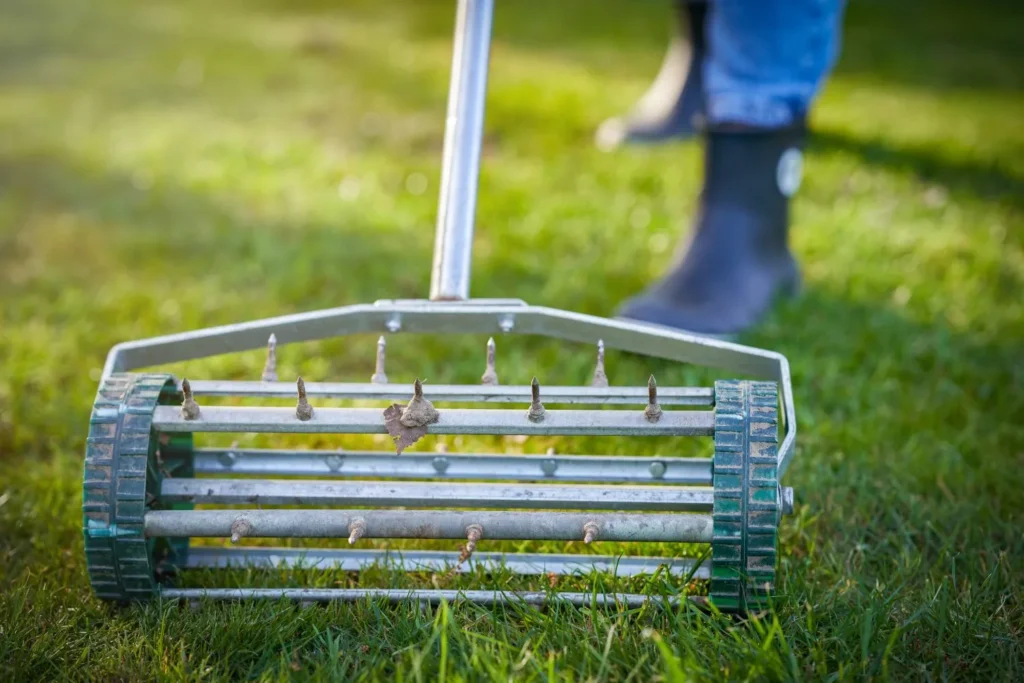
Key Takeaways
- Thatch is a layer of dead and living plant material that can block water, air, and nutrients from reaching your lawn’s roots when it gets too thick.
- Core aeration relieves soil compaction, improves water penetration, and supports deeper root growth, especially important for Georgia’s clay-heavy soils.
- A simple at-home diagnosis (checking thatch thickness and compaction) helps you decide if your lawn needs dethatching, aeration, or both.
- Warm-season grasses like Bermuda and Zoysia are typically aerated in late spring/early summer, while Fescue lawns do best with fall aeration.
- Professional aeration services from Weed Pro combine timing, equipment, and local knowledge to give more predictable, long-lasting results.
Thatch, Compaction, and Lawn Health: Why the Right Choice Matters
A healthy lawn doesn’t start with fertilizer; it starts with what’s happening at the surface and just below it. If a thick layer of thatch is blocking contact between soil and roots, or if the soil beneath your lawn is compacted, no amount of watering or feeding will give you the results you’re looking for.
That’s where dethatching and aeration come in. Both are powerful tools, but they do very different jobs:
- Dethatching removes excess organic material from the soil surface.
- Aeration opens the soil, allowing roots to breathe and grow deeper.
In Georgia, especially in areas with clay-based soils and warm-season grasses like Bermuda and Zoysia, choosing the right treatment, and timing it correctly, can make the difference between a struggling yard and a lawn that bounces back after heat, traffic, and drought.
Understanding Thatch and Its Impact on Your Lawn
What Is Thatch?
Thatch is a layer of stems, roots, stolons, and partially decomposed plant material that builds up between the green grass blades and the soil surface. A thin layer (less than about ½ inch) can be beneficial, providing some cushioning and insulation. Once that layer gets too thick, though, it becomes a barrier.
How Thatch Builds Up
Thatch accumulation tends to increase when:
- Grasses spread via stolons and rhizomes (like Bermuda and Zoysia)
- Lawns receive heavy fertilizing or frequent, shallow watering
- Soil biology is weak and can’t break down organic material efficiently
In Georgia, warm-season lawns naturally produce more surface growth, so they’re more prone to thatch than many cool-season grasses.
Signs You May Have a Thatch Problem
You might have excessive thatch if you notice:
- A spongy feel when walking across the lawn
- Water running off or pooling instead of soaking in
- Shallow roots when you pull up a small section or examine a core
A quick diagnostic: cut a small wedge of turf and measure the brown layer between the green grass and soil. If thatch is thicker than ½ inch, it may be time to take action.
How Excess Thatch Harms Grass Growth
Once thatch passes that “safe” threshold, it starts to hurt more than it helps.
Problems Caused by Thick Thatch
- Blocks water and nutrients from reaching the root zone
- Encourages shallow rooting, making grass more vulnerable to heat and drought
- Provides shelter for insects and disease, creating a favorable microclimate for problems
- Reduces treatment effectiveness, since fertilizers and weed control may get trapped above the soil
The lawn may look dry even after watering because moisture is trapped in the thatch layer rather than reaching the roots. Reducing thatch helps reconnect roots with the soil and sets the stage for stronger turf.
What Aeration Is and Why It Matters
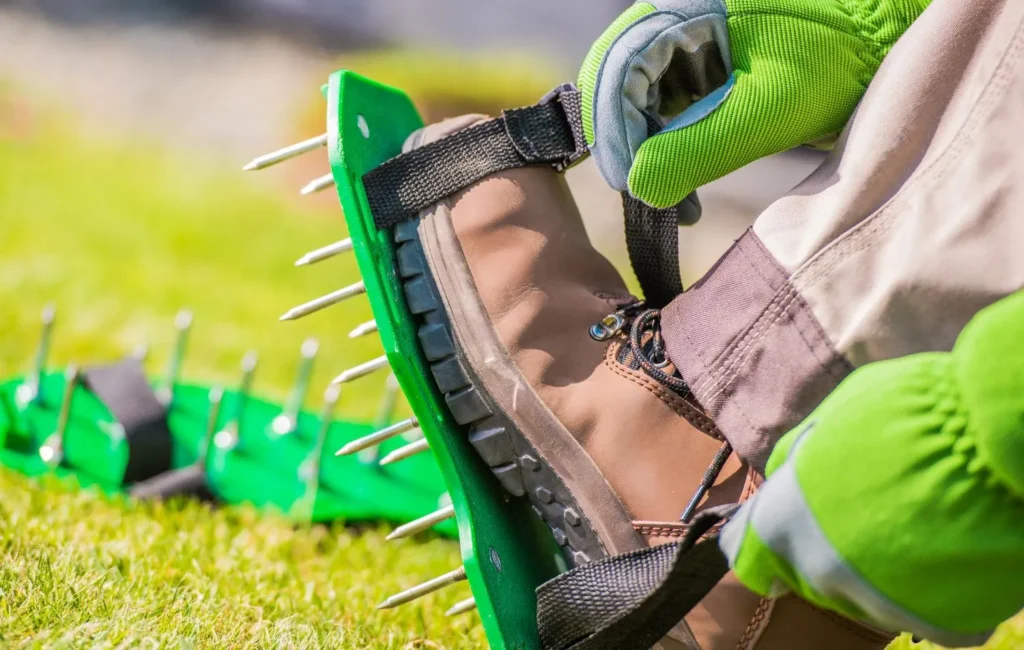
Core Aeration vs. Liquid Aeration
Aeration is all about opening the soil so air, water, and nutrients can move freely.
- Core aeration uses a machine to pull small soil plugs from the ground.
- Liquid aeration uses soil-conditioning products to help loosen soil structure over time.
For compacted clay soils (very common in North Georgia), core aeration is usually the most impactful option because it physically removes soil and creates real pore space.
Benefits You Can Expect from Aeration
| Benefit | Mechanism | Expected Outcome |
| Water penetration | Creates pore space and breaks surface sealing | Faster infiltration and less runoff |
| Nutrient uptake | Allows roots to reach deeper nutrient stores | Stronger color and healthier growth |
| Root growth | Reduces compaction so roots can grow downward | Improved drought resistance and denser turf |
Over time, aeration also helps reduce surface thatch by stimulating soil biology and encouraging organic material to break down more efficiently.
How Core Aeration Improves Soil and Turf Health
Core aeration pulls out plugs, leaving small holes across the lawn. Those holes:
- Relieve compaction immediately, making it easier for roots to expand
- Create pockets for oxygen and water to move into the root zone
- Allow existing roots to push deeper, improving access to moisture during dry spells
The plugs that land on top of the lawn break down and help feed beneficial microbes. Within weeks, many homeowners notice:
- Better drainage and less standing water
- More uniform color
- Improved response to fertilization and overseeding
On Georgia clay soils or lawns with heavy foot traffic, core aeration can be one of the most valuable services you schedule all year.
When to Aerate Lawns in Georgia
Timing is different for warm-season and cool-season grasses.
Best Aeration Timing by Grass Type
- Bermuda & Zoysia (Warm-season):
- Late spring to early summer, when the grass is actively growing
- Aerating during dormancy can slow recovery
- Tall Fescue (Cool-season):
- Early fall, when root growth is strongest
- Aeration at this time also pairs well with overseeding
Aerating during the active growth window helps plugs fill in quickly and allows roots to take advantage of the improved conditions.
Dethatching vs. Aeration: How to Decide
Choosing between dethatching and aeration comes down to two simple checks: thatch thickness and soil compaction.
Quick Decision Checklist
- Measure thatch:
- If the thatch layer is greater than ½ inch, dethatching may be necessary.
- Test compaction:
- Try pressing a screwdriver into the soil.
- If it’s difficult to push in, you likely have compaction and would benefit from aeration.
- Consider grass type and timing:
- Dethatch during a grass’s active recovery period.
- Aerate during the appropriate growth window for your species (warm- vs. cool-season).
Approach Comparison
| Approach | Method | Typical Result |
| Power dethatching | Rakes or power dethatchers remove surface organic matter | Immediate thatch reduction with a relatively quick surface recovery |
| Core aeration | Mechanical plugs removed from the turf | Relieves compaction and improves root access over time |
| Combination | Dethatch, allow recovery, then aerate | Best for severe thatch plus compaction but requires staged recovery |
On many Georgia lawns with compacted clay, an aeration-first approach is often the smarter starting point because it targets the root zone, where long-term improvement happens.
Can You Dethatch and Aerate the Same Lawn?
Yes, but it’s usually best to stage the treatments rather than doing both on the same day.
Recommended Sequence for Heavily Stressed Lawns
- If thatch is extreme and turf is spongy:
- Light to moderate dethatching → recovery period → core aeration
- If compaction is the main issue with only moderate thatch:
- Core aeration first (often enough to gradually reduce thatch)
- Reassess later before considering dethatching
Doing both too aggressively at once can stress the lawn, especially in hot or dry conditions. A professional can help set the right sequence and timing for your specific yard.
Give Your Lawn Room to Breathe, Schedule Aeration with Weed Pro
Whether your lawn feels spongy from thatch, hard as a rock from compaction, or just “tired” after Georgia summers, dethatching and aeration are two of the most effective tools you can use. The key is knowing which to use, and when.
Weed Pro takes the guesswork out of the process:
- We diagnose thatch and compaction on-site
- Recommend aeration, dethatching, or a combination based on your lawn’s condition
- Time services to match your grass type and local weather patterns
Ready to help your lawn breathe again and grow stronger roots? Contact Weed Pro today to schedule an aeration assessment and get a tailored plan for your Georgia lawn.
Frequently Asked Questions
How do you know if your lawn needs dethatching or just aeration?
Start by measuring the thatch layer; if it’s thicker than about ½ inch, dethatching may be needed. Then test compaction with a screwdriver or soil probe. If the soil is hard to penetrate, aeration will likely provide more benefit. Many Georgia lawns benefit from aeration first, with dethatching reserved for severe, spongy thatch problems.
How often should you aerate your lawn in Georgia?
Most Georgia lawns do well with annual aeration, especially those with clay soils or heavy foot traffic. Some heavily compacted or high-use lawns may benefit from aeration twice a year, timed to the grass’s active growth period (late spring/early summer for warm-season grasses, early fall for Fescue).
Is dethatching safe for all grass types?
Dethatching can stress turf if it’s done too aggressively or at the wrong time. Warm-season grasses like Bermuda and Zoysia usually tolerate dethatching better during their active growth period. Cool-season fescue lawns are more sensitive and often respond better to aeration and overseeding than to aggressive dethatching. When in doubt, a professional evaluation is best.
Next Up: Smarter Irrigation Starts Here
To take your irrigation knowledge even further, check out “How to Design a Sprinkler System for Even Coverage and Real Water Savings.” It explains pressure, flow, zoning, and layout choices that improve both water efficiency and lawn health.