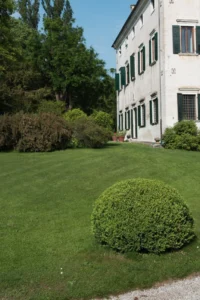

Let’s face it: abandoned lawns happen. Maybe the house sat empty for months. Maybe a backyard renovation project left your turf looking like a patchy battlefield. Or maybe life just got busy, and mowing fell off the to-do list. Whatever the reason, your lawn’s in rough shape—and it’s time for a significant comeback.
Enter the hero of our story: aeration and seeding. If your turf looks more “meh” than magnificent, this dynamic duo is your best bet for a true grassroots revival. Here in Atlanta, where clay soil, intense summer heat, and the occasional drought love to tag-team your turf, targeted lawn restoration strategies are essential. And no one knows the turf scene better than Weed Pro.
In this article, we’ll walk you through the step-by-step process of reviving a neglected lawn, from soil recovery to reseeding strategies that actually work. Whether you’re a property flipper, a new homeowner, or just someone tired of staring at dirt patches, we’ve got you covered.
What Counts as an “Abandoned” Lawn Anyway?
Let’s define the damage. A truly abandoned lawn might include:
- Bare patches that refuse to grow anything
- Weeds taking over like they pay rent
- Compacted soil that feels like walking on concrete
- Dead or dormant grass with no sign of revival
- Thatch buildup or dry, flaky dirt instead of healthy turf
If your lawn checks off more than two of those, you’ve got a full-on Atlanta lawn rehab situation. But don’t stress—we’ll turn it around with a bit of patience and the proper process.
Why Aeration and Seeding Is Your First Move
Trying to toss seed on top of dry, compacted soil is like throwing sprinkles on cement and hoping for cake. It just doesn’t work.
That’s why aeration and seeding is the go-to first step in your lawn restoration guide. Here’s why:
1. Aeration Breaks Up Compacted Soil
In Atlanta, our infamous red clay gets packed tight over time—especially if the lawn has been neglected. Deep core aeration uses specialized tools to punch holes into the soil, allowing air, water, and nutrients to get down to the grassroots.
2. Seeding Fills in Bare Spots and Thickens Turf
Once your soil is aerated, those little holes create the perfect environment for new seeds. The result? A more even lawn that’s naturally resistant to weeds and erosion.
3. It Kickstarts the Lawn’s Recovery Cycle
By combining soil recovery with targeted seeding, you jumpstart the turf’s natural growth process. This is crucial for drought recovery and post-neglect treatments.
Step-by-Step: How to Bring Your Lawn Back to Life
Ready to do this? Here’s your ultimate revival roadmap.
Step 1: Clear the Chaos
Before anything else, remove debris—leaves, sticks, weeds, that old lawn chair that’s fused with the earth. This clears the path for your tools and helps you assess the true condition of your turf.
Step 2: Mow What’s Left (Yes, Even the Ugly Bits)
Give your existing grass a solid haircut. Set the mower blade low, but not too low—you don’t want to scalp it. This sets the stage for better aeration and seed contact.
Step 3: Aerate Thoroughly
This is the magic moment. Rent a core aerator or call in a pro for aeration and seeding. Focus on high-traffic areas and bare patch repair zones where the soil is especially compacted.
If your lawn is large or severely neglected, you may even need a second pass in a different direction.
Step 4: Choose the Right Seed
Not all seed blends are created equal—especially in the South. In Atlanta, your go-to grasses include:
- Fescue: Great for shade and cool seasons
- Bermuda: Loves full sun and thrives in heat
- Zoysia: A happy medium with solid durability
Choose based on your yard’s sun/shade mix, and go for a reseeding process that matches your lifestyle (and mowing tolerance).
Step 5: Apply Seed + Starter Fertilizer
Broadcast your seed evenly, then follow it up with a starter fertilizer that encourages root growth and early germination. This combo is essential for turf thickening in recovering lawns.
Don’t forget to lightly rake the seed into the aeration holes—this ensures better contact with the soil.
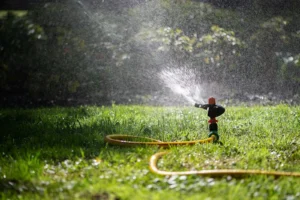
Step 6: Water Gently but Consistently
Consistency is key! For the first two weeks, water lightly every day to keep the soil moist (not soggy). Once you see sprouts, dial back to 2–3 times a week with deeper soaks.
Pro tip: Consider seasonal lawn recovery by syncing watering with your area’s rainfall and evaporation rates.
Step 7: Wait, Watch, and Baby That Lawn
Keep off the grass while it’s growing. Seriously—avoid heavy foot traffic for 3–4 weeks. The new seedlings need time to establish roots and strengthen.
You’ll start to see a noticeable difference within 4–6 weeks. By the 8-week mark, it’ll feel like a new yard.
Extra Add-Ons That Help Rebuild Neglected Lawns
If your turf has been especially unloved, you may want to add these steps for a fuller recovery.
✅ Soil Testing
Gauge your soil’s pH and nutrient levels. If it’s too acidic or alkaline, even the best seed won’t thrive.
✅ Top Dressing
After seeding, apply a light layer of compost or screened topsoil. It improves seed-to-soil contact, holds moisture, and encourages even germination.
✅ Weed Management
Avoid pre-emergents right after seeding (they’ll block new grass!). But once your turf fills in, consider post-emergent weed control to knock out any unwelcome invaders.
What Makes Lawn Rehab Different in Atlanta?
Atlanta’s climate is no joke. Our hot summers, occasional droughts, and temperamental rain cycles can wreak havoc on weak or unattended turf. Here’s what sets Atlanta lawn rehab apart:
- Soil composition: That dense clay needs regular aeration.
- Sun exposure: Yards with full sun benefit from different seeds than shady ones.
- Storm drainage: Uneven runoff can pool water and drown seedlings.
- Urban microclimates: Pockets of heat (think parking lots and fences) can dry out soil fast.
All of these factors shape your seeding strategy—and they’re exactly why working with a local lawn expert makes all the difference.
How Long Until It Looks “Normal” Again?
Great question—and we get it. You want fast results.
Here’s a rough timeline to expect after aeration and seeding:
- Weeks 1–2: Sprouts begin, but coverage is thin
- Weeks 3–5: Grass starts thickening and filling gaps
- Weeks 6–8: Lawn is fuller, greener, and foot-traffic ready
- 3 months: Turf is fully established and growing strong
With the right upkeep, your abandoned lawn could be your favorite space by the end of the season.
🌱 Time for a Comeback? Let’s Do This.
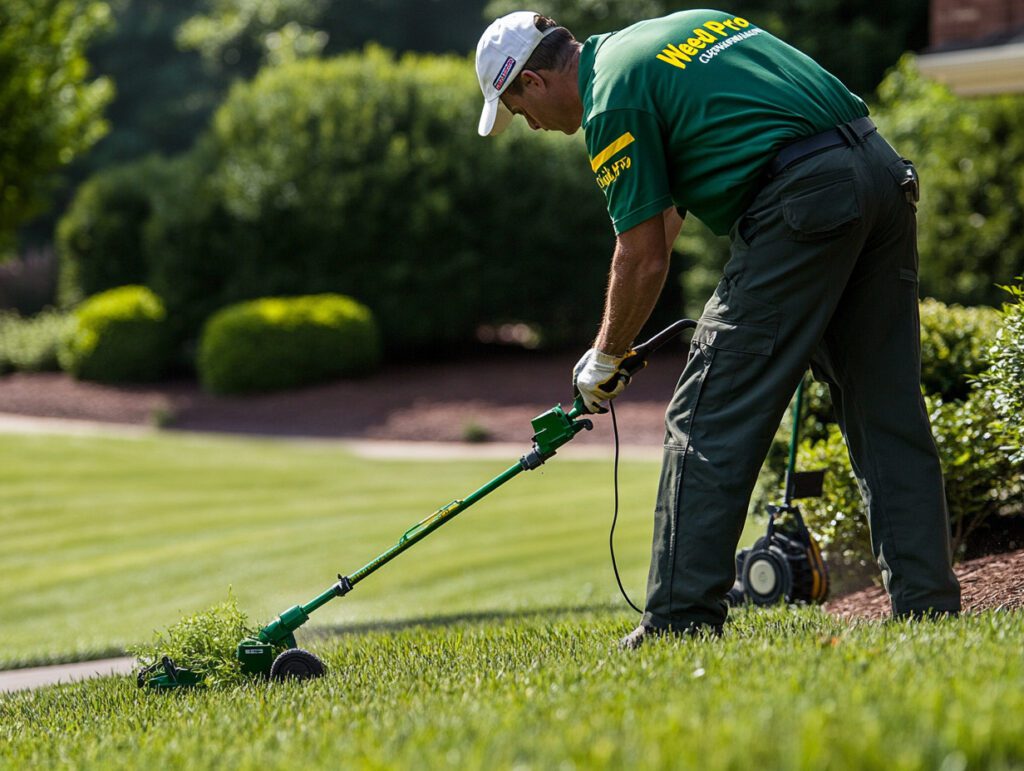
If you’re staring at patchy dirt and wondering where to even begin, let Weed Pro be your partner in the comeback. We specialize in aeration and seeding, turf restoration, and tailored plans that actually work in Atlanta’s tough conditions.
From the initial lawn assessment to follow-up care, we’ll guide your yard from “What happened here?” to “Whoa, this looks amazing!”—all without guesswork or gimmicks.
FAQ: Going Beyond the Basics
Can you revive a lawn that has mostly weeds and no visible grass?
Yes! In many cases, a weed-heavy lawn just needs a reset. Start by identifying and treating the existing weed types, then follow up with aeration and seeding. Removing competition from weeds gives new grass a chance to take hold and eventually crowd them out. You may need a few rounds of seeding to fully restore the turf.
What time of year is best to revive a lawn in Atlanta?
The sweet spot is early fall—think September through October—when soil temps are still warm, but the intense summer heat has passed. Spring can also work, but be cautious about weed competition. If you’re not sure, schedule a free consultation with Weed Pro for tailored timing advice.
Will a sprinkler system help with lawn recovery?
Absolutely. Regular, even watering is essential after aeration and seeding. If you don’t have a built-in irrigation system, consider using a smart hose timer or rotating sprinkler. You want to keep the soil consistently moist without flooding the seeds.
🌟 Coming Up Next: Construction Mess Got You Down?
If your lawn didn’t get neglected—but got trampled by bulldozers instead—you’ll definitely want to check out our next read: “Lawn Treatment in Cumming After Construction: How to Rebuild Soil and Turf.“ It’s packed with solutions for post-project yard damage. Go give it a look!